Awareness on the impact of population growth
In 2007 it was estimated that if everyone on Earth lived an European lifestyle, the world's population would need more than two-and-a-half planets' worth of resources just to support itself.

In recognition of World Population Day, celebrated on 11 July, Maropeng urges South Africans to address the issue of overpopulation and the ensuing effects on the planet.
It is estimated that our global population will reach nine billion people by 2050.
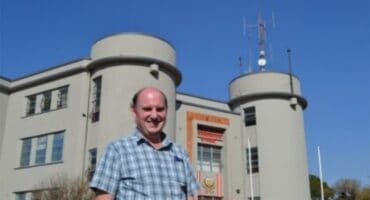
“World Population Day, an initiative first established in 1989 by the UN Development Programme, offers us an opportunity to focus on these urgent population issues,” says Magel van de Venter, Customer Relations Manager of Maropeng.
According to the UN Population Fund, the event is observed in different ways around the world.
For Van de Venter, inadequate fresh water, depleting natural resources, deforestation, loss of ecosystems, global warming and elevated crime are just some of the by-products of world-wide overpopulation.
“Maropeng actively is raising awareness about population issues in our educational resource packs, where we deal with a wide variety of problems and their resulting effect on Earth, while giving educators the tools necessary to explore this topic and engage in debate with learners,” says Van de Venter.
Maropeng’s resource pack highlights how food and global sustainability go hand in hand and provides interesting statistics, showing how local demographics have changed over the years.
“Through learning we become enlightened and I encourage schools to consider bringing their pupils to Maropeng for a life-changing experience.”
One vital issue is the importance of saving water. As the national population grows, the availability of fresh water is slowly decreasing, therefore the need to use water sparingly has become a hot topic. According to media reports, it is predicted that South Africa would hit a water crisis by 2020, where water demand would outstrip supply. Maropeng recently innovated and built its own wetland project and now saves on water usage and recycles grey water that supplies the neighbouring game farm and can be used for irrigation. Maropeng also invested in an ozone waste-water purification system.
“As a World Heritage Site, we need to set an example for society,” Van de Venter says.
“We face the same issue with food supply, considering that advances in farming have been blamed for overpopulation,” she adds.
In 2007 it was estimated that if everyone on Earth lived an European lifestyle, the world’s population would need more than two-and-a-half planets’ worth of resources just to support itself. Meanwhile, every year hundreds of millions of people suffer from hunger and malnutrition, with millions dying because of it. Of these deaths, more than six million are children under the age of five.
“We all need to realise the impact that overpopulation is having. The next generation needs to make changes if the planet is going to endure. Through our resource pack and displays at Maropeng we hope to influence our visitors and in a small way begin the cycle of change,” she concludes.