
BOO! It’s Friday the 13th
Most people wake up with some superstition around Friday the 13th. Where did this day of so-called bad luck originate?
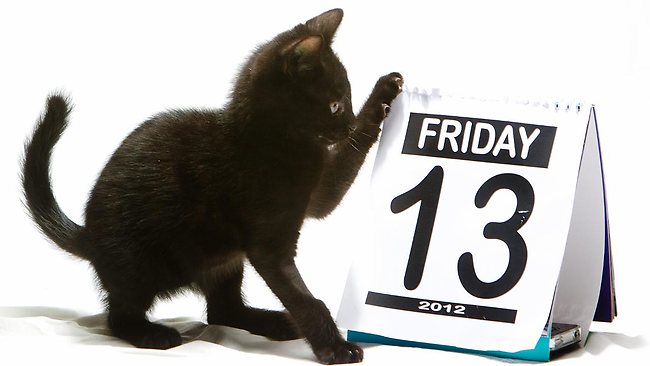
This year’s only Friday the 13th is upon us, and it’s paired with a full moon.
Therefore the day holds a triple terror for the superstitious. It is a combination of Friday, the number 13 and a full moon; an occurrence that is said to take place again only in 2049.
The occasional calendar oddity has revived old fears of bad luck and calamities ranging from accidents to stock market crashes, writes National Geographic reporter Brian Handwerk.
Fears ironically were backed locally when South Africa’s rand weakened against the dollar early on Friday 13 June after Fitch ratings agency downgraded the outlook for Africa’s most advanced economy from stable to negative.
The belief that Friday the 13th is an unlucky day is one of the most widely known superstitions.
The superstition surrounding Friday the 13th is a combination of two separate fears – the fear of the number 13, called triskaidekaphobia, and the fear of Fridays.
Unlucky 13
The number 13, in the Christian faith, is the number of people at the Last Supper, with the 13th guest at the table being Judas the traitor.
Fridays
Friday has been considered an unlucky day since medieval times. Generally it is considered bad luck to start anything on a Friday – a new journey, job, marriage, business project, giving birth, moving house. It is also said to be unlucky to cut fingernails and hair on a Friday.
In Britain, Friday was the conventional day for public hangings, and it is said that 13 steps led up to the noose.
Friday the 13th supposedly is an ominous date, steeped in superstition and assumed by some to bring bad luck. If you are more inclined to turn the tables and make Friday the 13th your lucky day while there’s no forcing luck, a good attitude and a relaxed approach to daily life on Friday the 13th might just bring you some much-needed fun and excitement.