
Treating burns – the dos and don’ts
Knowing what not to do with a burn is important as different levels of burns often need to be treated differently.
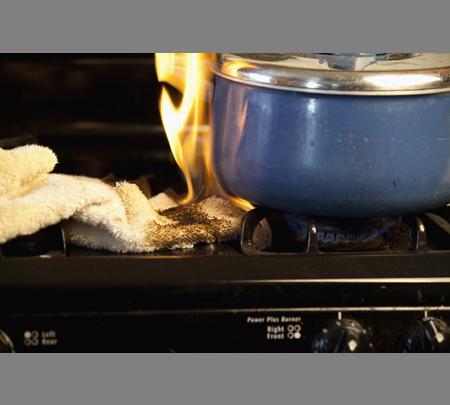
Statistics indicate that one in eight households have a cooking fire once a year and that more fires start in the kitchen than in any other part of the home.
Most of these fires are caused by unattended food on the stove. The moral of the story – stay in the kitchen while cooking.
“Burns can be very painful and it is important to be able to distinguish between a minor burn and a major or serious burn,” says Mike Francisco, spokesperson for the Muldersdrift Communication Action Group (MCAG). “It is a good idea for everyone in the household to know what to do when a burn accident occur.”
Knowing what not to do when someone is burned is important as different levels of burns often need to be treated differently, says Francisco.
For instance, submerging a minor burn under cool water is good, however, doing this to a severe burn could cause the body temperature to drop (hypothermia) and deterioration of blood pressure and circulation (shock).
Francisco provides the following tips to ensure that minor burns are treated correctly:
• Cool the burn. Hold the burnt area under cool (not cold) running water for 10 to 15 minutes or until the pain subsides. If you do not have running water you can submerge the burnt area in cool water or press something cold against the area. Cooling the burn reduces swelling as heat is conducted away from the skin. Do not put ice on the burn.
• Cover the burn with a sterile gauze bandage. Wrap the gauze loosely to avoid putting pressure on burnt skin. Bandaging keeps air off the burn, reduces pain and protects blistered skin. Avoid using fluffy cotton or other material – you do not want lint in the wound.
• Minor burns usually heal without further treatment. There may be some discolouration on the burnt area, however, if the pain increases or redness, fever, swelling or oozing occur, this means it has become infected and you should seek medical help.
• Avoid re-injuring or tanning if the burns are less than a year old. This can cause more extensive discolouring or pigmentation changes. Use sunscreen on the area for at least a year.
• Do not use ice. Putting ice directly on a burn wound can cause a person’s body to become too cold and cause further damage to the wound.
• Do not apply egg whites, butter or ointments to the burn. This could cause infection.
• Do not break blisters. Broken blisters are more vulnerable to infection.
• Do not remove burnt clothing. However, make sure the burn victim is no longer in contact with smouldering materials or exposed to smoke or heat.