
Betty – a problem-solving angel in Munsieville
"We have realised that a lot of children are abused – sometimes physically, sometimes emotionally, and sometimes sexually."
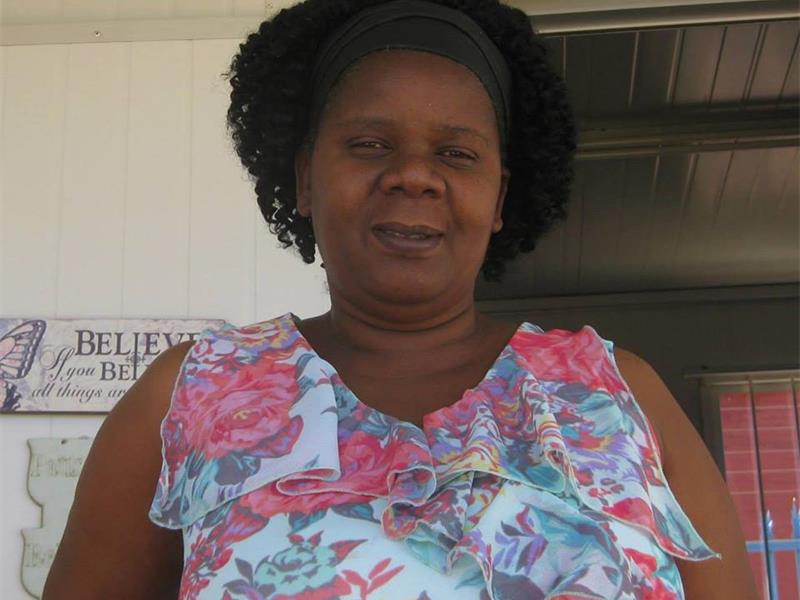
Vita Basadi award winner, Betty Nkoana identified problems within her community for the first time in 2007, but instead of sitting back and complaining about them, she took action.
Her constant fight for the well-being of the Munsieville community led her to start an organisation named Thoughtful Path Charity. She started Project Hope in 2010, not only to identify the problems faced by the community, but also to work with them to solve the problems.
“Poverty is one of the biggest problems in our country and Munsieville is no exception,” Betty said.
“With an uncertain income and constant dependence on government grants, sustaining a family can be difficult.” This is why Betty and her organisation have planted 33 individual vegetable gardens and one large community garden – to ensure there is some food for the community. Since the establishment of these gardens, many families have been freed of the threat of starvation.
But lack of food is not the only problem this organisation has identified.
“We have realised that a lot of children are abused – sometimes physically, sometimes emotionally, and sometimes sexually,” Betty said.
“Most of the time nothing is done about it because parents and children are scared that they will be further victimised.”
She said another problem they identified in the community was the general lack of child care. Mothers often left their children at home to go to the tavern, and children frequently died in shack fires, because they were left unattended. To solve this problem, Betty, along with members of the Child Protection Unit, social workers, church members and community leaders, has taught mothers how to make safe candle-holders and (more importantly) how to build an escape door into their shacks, for use in case of fires.
The organisation also spoke to the many primary school teachers who had lost interest in giving children homework, because the children return without having done it. The organisation discovered that some of the parents concerned don’t understand the homework, while others don’t have electricity, so there’s no light to work by at night. As a result, Betty started an after-school care project to assist children with doing their homework, based on an idea the principals of the schools in informal settlements had. Since the first after-school classes were established in 2011, teachers have become increasingly satisfied with the improved performance of their pupils.
“Our main objective is to teach people how to stay healthy, even though they have less resources than others,” Betty said.
Also Read:
Police cyclists ready for champs