
Motorcycle thieves and dog poisoners on the loose
Cases of dog poisoning have been reported in CPF sectors 2, 5, and 7.
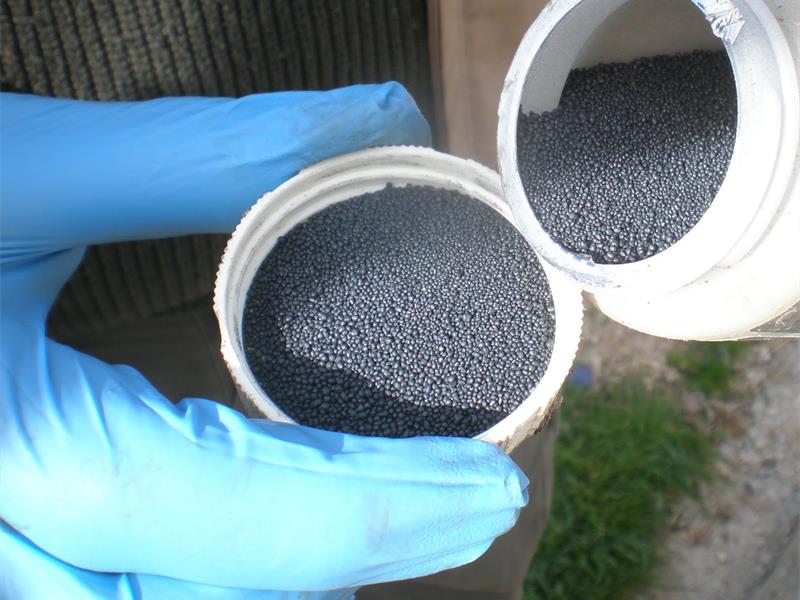
Over the last month, saddened Krugersdorp residents have reported numerous dog poisoning incidents, mostly involving suspects allegedly travelling on motorcycles.
In most of these cases, motorcycle theft has also been reported after the dog has been poisoned. Cases of dog poisoning have been reported in sectors 2, 5 and 7 of the local Community Policing Forum (CPF). It is suspected the dogs were poisoned with Two-Step, an extremely dangerous poison.

Photo: Compiled by Craig Micheal.
Ramón Collins, CPF sector 7 spokesperson, is now urging motorcycle owners in the greater Krugersdorp area to take extra safety precautions to ensure their property and dogs are safe.
“Try to secure the bike as best you can when you are home,” Ramón said. “Take extra care of your dogs too. Let them sleep inside the house. If this is not possible, try to keep them away from fences that can be accessed from the street.“
Veterinarians have also advised dog owners to put their dog’s feeding bowls far away from the fences and to feed their dogs at night to prevent them from eating poisoned bait food.

“When your dogs bark out of the ordinary at night, rather call them inside and watch them.”
It only takes about 20 minutes for a dog to show symptoms of poisoning and if identified quickly, vets will still be able to save them. Within an hour a dog will start convulsing and it might be to late to save them then.
Some signs of dog poisoning are vomiting, diarrhea, seizures, blood in the stool, lethargy, loss of appetite, bruising, nose bleeds, irregular heart beat and inability to urinate.
It is also important to know what type of poisons are most commonly used to poison dogs.

Poisons common in South Africa are:
• Two-step: this poison attacks the nervous system and its effect is escalated with the consumption of water. It inhibits breathing causing profuse suffocation and vomiting. Symptoms also include tremors, paralysis and salivation.
• Rat poison: most poisons have bad tastes, however, rat poison is necessarily made to taste pleasant for the consumer to be more attracted to it. Rat poison is usually made into blue or black pellets. It acts quickly and dogs can show signs soon after indigestion. Signs include disorientation, coughing up slime, difficulty breathing, black or tarry diarrhea, and abnormal pupils (sometimes dilated, sometimes pinned).
• Antifreeze: this substance has a sweet taste and animals are attracted to it. Antifreeze is deadly to animals and even a small amount could kill a three-kilogram cat.
• Peanut butter: a sweetener called Xylitol that is found in some peanut butters can potentially also be used to poison dogs. It causes liver failure, seizures, and ultimately death. This substance is also found in many toothpastes and chewing gum.
Some species of plants are also deadly to dogs and are often used to poison them. For a full list of plants that are poisonous to dogs visit the pet poison helpline at www.petpoisonhelpline.com/poisons/.
Also read:
• Dog poisoning alert in Krugersdorp
• Can’t something be done about Two Step?