Living with HIV doesn’t mean living with depression
People living with HIV may experience depression, anxiety, panic or even suicidal thoughts.
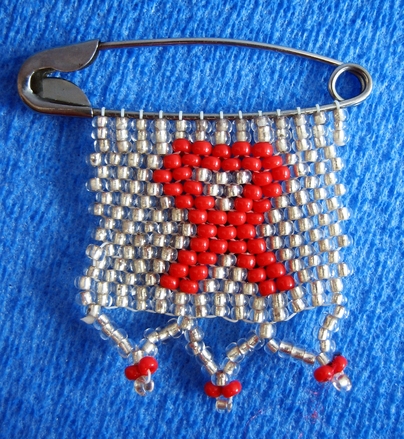
World Aids Day (1 December) is dedicated to uniting in the fight against HIV and to showing support to people who live with HIV/Aids as well as to those who have died.
This day does not only focus on the individual but their loved ones too. It is important to offer support and educate loved ones in the community about the mental health aspect of HIV/Aids.
Most people are not aware that HIV/Aids and depression often occur together in those who live with the virus. When we think of HIV/Aids, we immediately think of the physical impact of the illness such as weight loss, fever, headaches, muscle aches, joint pains, sore throat, rashes etc. What is often not taken into consideration is the mental health problems associated with the diagnosis and medication’s side effects – people living with HIV may experience depression, anxiety, panic or even suicidal thoughts.
“Living with HIV can evoke depression and anxiety and of course other mental health challenges can make a person more vulnerable to contracting HIV in the first place, or affect their ability to take Art (Antiretroviral Therapy) and sustain life-long treatment. In the mix would be stigma (especially the internalised stigma) and the experiences people living with HIV might have of the attitudes and actions of others” said Pierre Brouard, a clinical psychologist.
A Facebook question and answer session this Friday, which will be hosted by the South African Depression and Anxiety Group (Sadag) aims to allow people who have problems, and need their questions answered, to talk to someone who works in the field, and to discuss the effect the medication has.
Wherever you are in the country, you can log in and ask for free advice on the live chats with top experts for an hour – either from 1pm to 2pm, or from 7pm to 8pm.
Tips for managing depression and HIV/Aids:
• Talk about your feelings with your doctor, friends, family members, or other supportive people
• Seek mental health therapy
• Learn more about HIV/Aids and depression
• Avoid drug and alcohol use
• Follow a healthy diet
• Manage physical and emotional health problems
• Follow doctor’s orders about your prescriptions
• Try to find activities that relieve your stress, such as exercise or hobbies
• Try to get enough sleep each night to help you feel rested
• Learn relaxation methods such as meditation, yoga, or deep breathing
• Join a support group
Related articles:
•World Aids Day Timeline: We’ve Come A Long Way
•Residents urged to live healthy