
Cannabis: still illegal despite medical value
Moving cannabis to a Schedule 6 drug doesn't mean the substance will be legal.
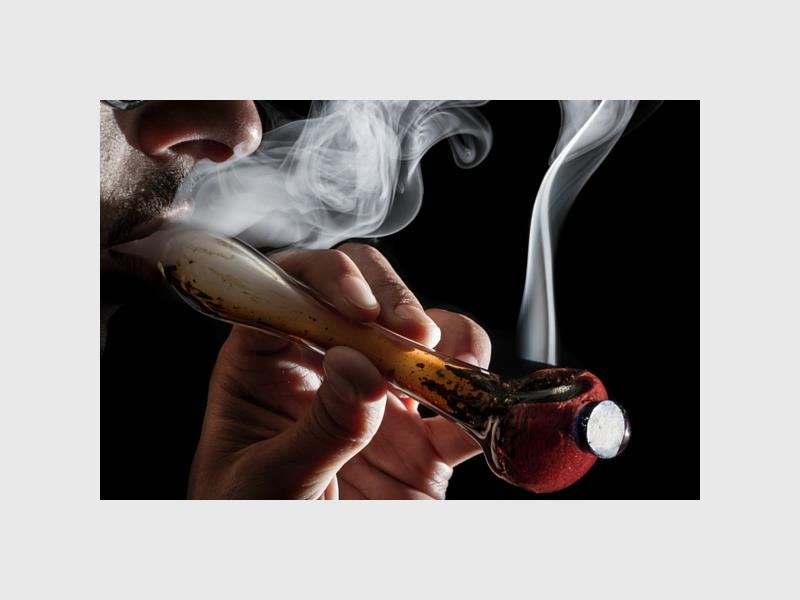
Tarlton Police recently disposed of more than 290 cannabis plants they discovered in a field in their area. While some residents were relieved, the deed sparked an argument on social media on how the police were destroying substances that could have great medical value.
Many medical studies have shown that the substance has many benefits for patients suffering from chronic or terminal illnesses and the Medical Control Council of South Africa (MCCSA) has finally recognised the substance’s therapeutic value.
Many people believe cannabis will be legal and freely available by April 2017. However, this is not the case. The MCCSA has ruled that the substance be rescheduled from a Schedule 7 drug to a Schedule 6 drug.
What does the schedule change mean?
A Schedule 7 substance is not recognised for medical use. It is considered to have extremely high potential for abuse and produces dependency (it is addictive). It is considered to be a drug.
Schedule 6 substances, on the other hand, have a moderate to high potential for abuse and dependence, but are considered to have medical potential. They requires close medical management, supervision and strict control. These medications are not available on repeat prescription and limits the quantity dispensed to a maximum of 30 days. They cannot be advertised directly to the public.
Therefore, by definition cannabis will not be legalised, and the public will not be able to buy it over the counter at all.
Moving cannabis from a Schedule 7 to a Schedule 6 drug is an immense change, because it changes a policy that has been in effect for many years and under scrutiny the entire time. The Medicines Control Act of 1965 and the Drugs and Drug Trafficking Act of 1992 will be changed slightly to allow for research on the medical potential of marijuana. In the bill, the substance is referred to as ‘cannabinoid medication’.
Cannabinoids are a group of active compound found in cannabis, not cannabis itself. This means the substance would not necessarily be sold in its organic form, but rather different compounds within cannabis will be extracted and used to treat illnesses. Epidiolex, for example is a purified, 99 per cent oil-based extract of cannabidiol (CBD) that is produced to give known and consistent amounts in each dose. It is administered to decrease the likelihood of epileptic seizures. In a recent study it showed effective decline in seizures in 54 per cent of 213 sufferers.
Therefore, moving the substance to a Schedule 6 drug doesn’t mean cannabis will become legal, it means that compounds found within the plant will be made available to patients suffering from terminal illnesses to die with less pain and with dignity. It also means the MCCSA recognises the medical potential of cannabis and extensive research on its properties can now begin.
Medical uses of cannabis
• Cannabis may help decrease seizures in patients suffering from epilepsy. The Epilepsy Foundation recently pointed out that cannabinoids exhorts anti-seizure properties in animal test subjects, which shows that it has some potential to help with the symptoms of epilepsy.
• Cannabis may help decrease nausea and vomiting in cancer patients who receive chemotherapy. Studies have also found that some cancer patients who smoked cannabis may experience less neuropathic pain (pain caused by damaged nerves). According to the American Cancer Society cannabis doesn’t cure cancer. Studies have shown that cannabis does kill cancer cells in dishes in laboratories, but it has never been proven that it kills cancer cells in humans or animals. In animals, cannabis slows the growth of cancer cells, but does not destroy them completely. It has however, shown to help improve the quality of life of cancer patients by numbing pain and relieving nausea.
• Cannabis also has the ability to increase the appetite of some patients suffering from HIV.
Police comment on cannabis
After April 2017 it will still be illegal to grow, sell and use cannabis.
Various police officials in Krugersdorp and the greater West Rand said they will still enforce the law, dispose of cannabis, arrest people in possession of the substance and continue the war against the substance for as long as it remains illegal.
“Dagga is still an illegal substance regulated by law,” said Captain Appel Ernst, spokesperson of the West Rand Cluster Police. “Until the law changes, the police has an obligation to confiscate and destroy the substance.”
It is important to mention that even though the plant can now be grown and cultivated by researchers, it will not be legal for anyone else to grow it.
The plant has not been rigorously studied in South Africa. Most studies have been done abroad and is one of the most researched plants in history. Although the MCCSA recognises the substance’s potential, studies on cannabis have been continually called inconclusive. It does have some medicinal properties, but many trials have shown patients who use it suffer from side effects or show no reaction to it. There has been no trial that confirms cannabis cures any illness’ symptoms.
Side effects of cannabis use
It is important to mention that cannabis intake does cause many different side effects. It isn’t as addictive as other drugs such as heroine or cocaine, but it has some symptoms of withdrawal which makes it a slightly addictive drug. A mild increase in irritability and aggression is reported in heavy users who suddenly stop taking cannabis. If used over a long period of time the smoke can cause lung cancer, delayed sexual development in men, suppression of ovulation in women, memory lapses and lack of concentration.
Other side effects include
• mild euphoria
• occasional hallucinations
• increased perceptions (these are not always realistic)
• short-term memory loss
• giggling, possible anxiety
• occasionally paranoia
• thirst and an increase in appetite
• aggression
Excessive or long-term use can cause these side effects
• glassy eyes
• red eyes
• socially inappropriate behaviour such as loud talking and puzzling bursts of laughter
• sleepiness, often at strange times
• a sweet burnt scent on the user or in the room
• loss of interest in activities formerly enjoyed
• loss of motivation
• weight gain or loss
• lung and respiratory problems related to smoke inhalation
• concentration difficulties
• memory lapses
• difficulty learning new things
Other aspects to consider when legalising medical cannabis
It is also worth mentioning that taxpayers would eventually have to contribute financially towards cultivating cannabis for research purposes – a thought not many citizens would be quite happy with. If the plants were to be studied and used in medical trials, a large facility would need to be created to grow these plants in a controlled environment and research staff needs to be employed and trained.
Even though according to the bill the rescheduling will be done as soon as April, it would be a very long time before research starts because there is no controlled environment available yet. Does this mean taxpayers will eventually contribute financially toward growing cannabis? Will the department of health have a cannabis department in future?
Although the country will now consider cannabis as medicinal, it might take a long time before citizens will be able to use it as a recreational drug that is completely legal to buy.

Photo: Medical Daily
Also read
Access to medical cannabis will soon be a reality
Dagga – Coming to a pharmacy near you soon