
Fish waste equals fast growing veggies
What makes this system so unique is that it can make certain types of vegetables grow up to five times faster.
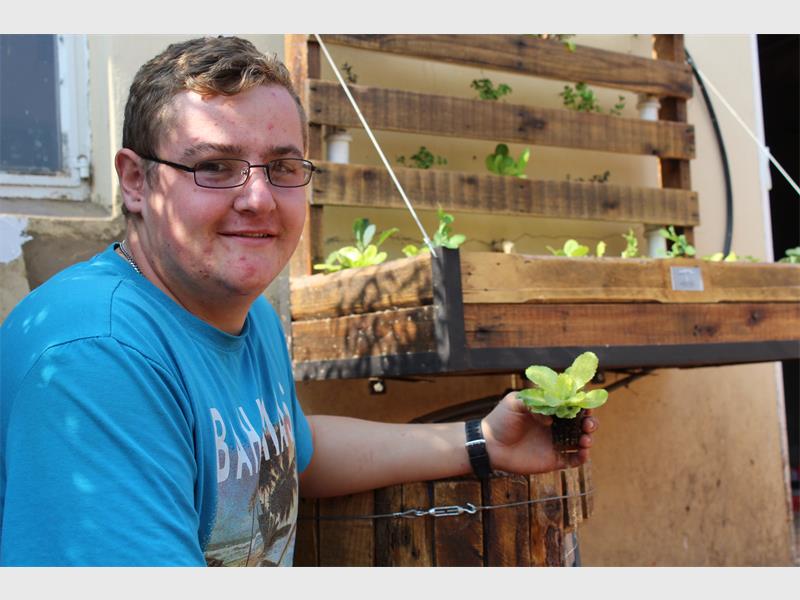
Try to imagine a system that harvests life in more than one way – a system in which each form of life takes care of the next, creating an almost independent growth cycle. This is the aquaponics system.
It’s a revolutionary food-production system that integrates both aquaculture and hydroponics. Like any ‘disruptive’ technology, the aquaponics system has a rich history. It has made a lot of people re-evaluate the way in which they approach farming and gardening. It is hinged on the age-old wisdom of ‘doing more with less’.
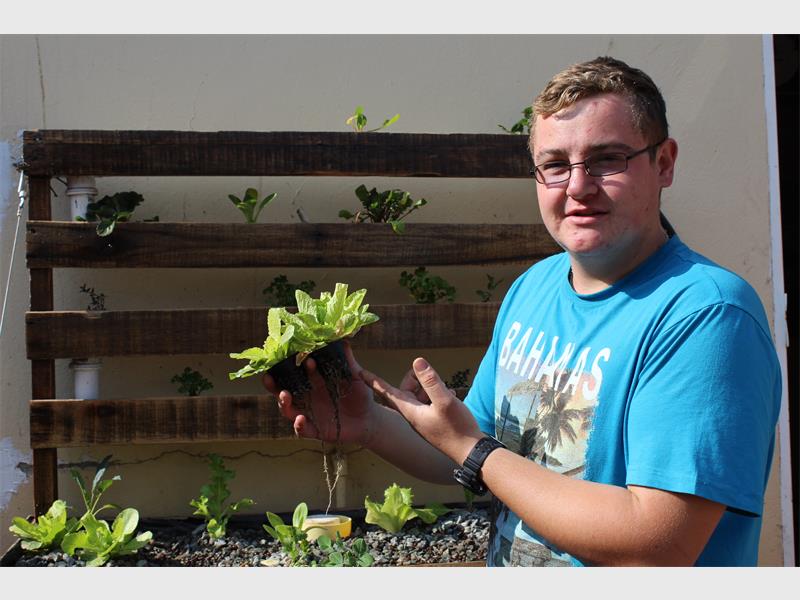
What makes this system so unique is that it can make certain types of vegetables grow up to five times faster without using any potentially harmful products, said Wion Oelofse, a local qualified landscaper.
“This is good news for the future of farming as we know it, and the fact that it can be assembled by using almost purely recyclable equipment makes it even more amazing,” he said.
Wion made a list of what is needed for such an installation:
• 200 litre plastic drum
• Wood/ PVC and steel frame for the grow bed
• PVC pipes, sheets and a bell siphon
• Small net pots
• Leca (light expanded clay aggregate) pellets
• Crusher stone
• Preferred fish
• Preferred plants/ vegetables
He explained that this system can be modified to suit specific needs.
“It is very versatile. It can be used to grow the smallest vegetables such as peas or small plants, or much bigger plants such as trees, and most probably anything in between,” he said.
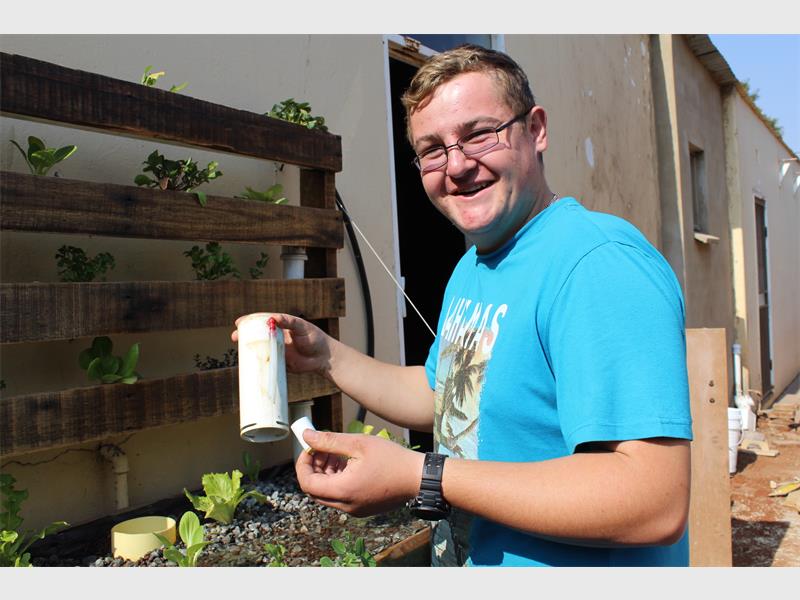
This is how Wion explained the system:
• The fish excrement and excess fish flakes in the fish tank form ammonia, which is pumped to a flood tank where it is diluted with water. This mixture then flows through the PVC pipe to the grow bed to feed the plants.
• Bacteria are cultured in the grow bed to convert the ammonia to nitrites and then to nitrates, which the plants absorb.
• As the beneficial bacteria grow, the grow bed acts as a bio-filter which makes it unnecessary to clean the system manually.
• When the volume of water in the grow bed reaches its limit, the PVC bell siphon sucks out all the clean, aerated water and circulates it back to the fish tank (plastic drum) where the process starts all over again.
• Remember to feed the fish.
Traditional gardening requires 20 times more water than a recirculating system such as aquaponics, and is perfect for those living in a small space wishing to grow their own vegetables.
According to Wion, it took him less than two weeks to assemble the system and 32 goldfish to grow a variety of vegetables such as rocket, spinach, coriander, parsley, thyme, peas, Chinese cabbage, lettuce, kale and strawberries suitable for winter.
This is an extraordinary method of growing food – it not only enables you to produce vegetables quicker, you will be fish farming as well.
For more information, feel free to contact Wion from Buffalo Thorn Landscaping on 071 156 6440 or oelofsewion@gmail.com.
Do you perhaps have more information pertaining to this story? Email us at krugersdorpnews@caxton.co.za or phone us on 011 955 1130.
For free daily local news on the West Rand, also visit our sister websites:
Remember to visit our Facebook, Twitter and Instagram pages to let your voice be heard!