
The psychology behind winter family murders
During winter months, when people spend more time indoors to keep warm, the factors that cause irrational or violent behaviour also increase.
Krugersdorp has seen an increase in relationship-/ family-related crimes over the last few weeks with two murder-suicides, in Chancliff and Munsieville respectively, a family shooting in Rant-en-Dal and a stabbing in Kagiso – all in the span of a single month.
Police statistics show there are more murders during the third quarter of every year. But, what is the link between family-related violence/ murders, the time of year, and the possession of a firearm?
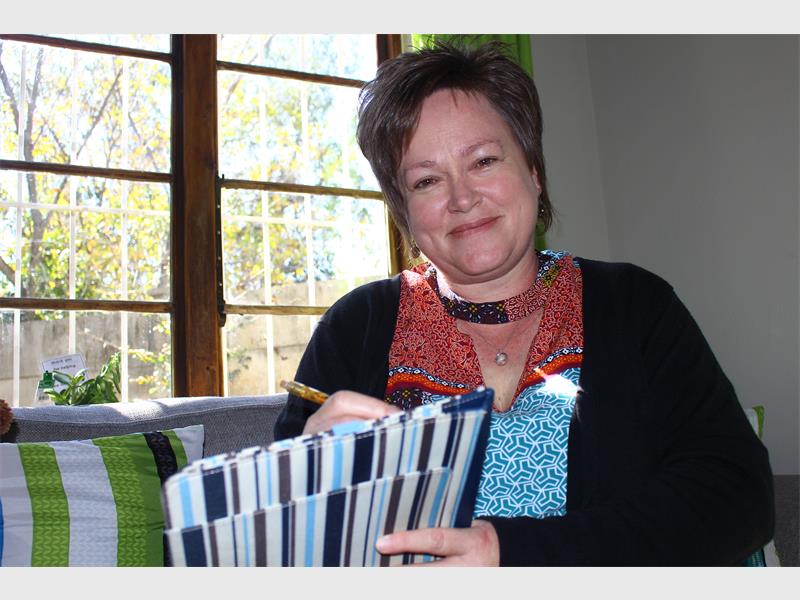
To better explain this relationship, the News spoke to Suzette Weideman, a clinical psychologist at InPsyght Therapy Centre in Monument who has been practicing psychology for 12 years.
She said because the three cases mentioned above occurred in such different circumstances, the motivation for them cannot be compared. However, there are some risk factors that might have influenced their decisions.
• Weather influenced behaviour:
“An interesting factor that influences behaviour is the weather,” she said. “During winter months, when people spend more time indoors to keep warm, the factors that cause irrational or violent behaviour also increase, especially a mood disorder called Seasonal Affective Disorder. This could be linked to a vitamin D deficiency (vitamin D is absorbed from the sun, through the skin and eyes) and a decrease in serotonin associated with decreased activity levels. There is a definite correlation between severe depression or Bipolar Mood Disorder and violent crimes within the family, especially if these conditions are undiagnosed and untreated. This could be one of the risk factors that explains why there is an increase in the number of murders in the later winter months,
• How needs affect behaviour:
Abraham Harold Maslow, an American psychologist who was best known for creating Maslow’s hierarchy of needs, a theory of psychological health predicated on fulfilling innate human needs in priority, culminating in self-actualisation, indicates different factors that play a major role in human behaviour, and states that when one of these needs are threatened, a person is more likely to behave differently.
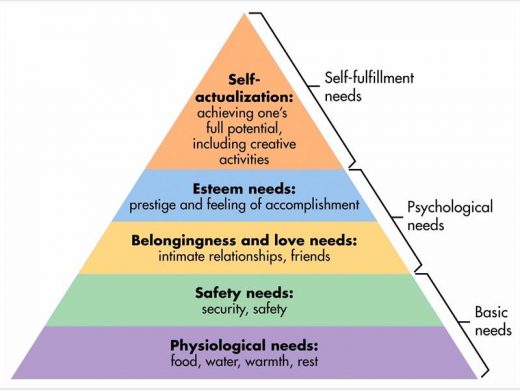
Photo: Submitted
One of the two basic needs are safety and security. This is probably why, when people feel threatened, they resort to violence to protect themselves.
These physiological needs include food, water, warmth, rest and a safe dwelling. They play a role in triggering violent attacks. In the case where the man stabbed his girlfriend after an altercation about clothes, this need might have triggered a violent reaction.
Also read: Man stabs girlfriend to death after heated argument
In the case where the woman shot her husband in Rant-en-Dal after he allegedly threatened her and her son, the woman’s retaliation might have been as a result of their safety being threatened.
Read the article here: Wife shoots husband during family argument
• How emotions influence behaviour:
Suzette used the analogy of ‘speed kills’. This is true, both for motor vehicles and human behaviour.
“In circumstances where there is a fast-forward of emotions, we could lose control and make poor decisions that could inflict damage.
That is why imagining a traffic light when we feel angry or overwhelmed by emotions could help you to ‘stop, think and only then do’.”
Everyone’s needs are constantly being challenged and our lives seem to be permanently on fast forward, so why do some people cross that boundary, while others don’t?
Suzette explained that every single person has a moral compass or the ability to judge what is right and what is wrong and acceptable in different circumstances. Although this might differ from person to person, there are definite societal norms and laws.
There needs to be a very good reason for that person to step over that line and kill someone. It is Suzette’s opinion that the true north on the moral compass has shifted marginally with the influence of media, social media, online games and the rapid decline in strong role models. The constant anticipation and anxiety associated with feeling unsafe in South Africa, with its high incidence of violent crimes, definitely also influences this phenomenon.
“I deal with a lot of teenagers and during sessions they have often disclosed how threatened they feel despite living in safe areas and security complexes.” Furthermore, some people have been exposed to violence in the past which has caused a total collapse of their moral standards, opening a cavern of behaviour that is totally unacceptable to their community, but has become the new norm to them.
In the movie The Circle, which is currently on circuit, the lead actress, Emma Watson, explains that she committed a crime because she thought “no one was watching”. This is true for most human beings. They let down their guard when in an environment where they feel accepted and in control. Although a good thing in most situations, this could simply mean that people will shout, curse, hurt and even kill the people that they love most. ”
This brings two important questions to mind: Are people who own guns more likely to kill when all these factors accumulate? And is the chance of a person turning violent higher just because a person owns a gun?
Suzette explained that, just as with suicide, owning a weapon does not increase the risk. A person that wants to kill – either himself or someone else – will find the weapon, be it a gun, a kitchen utensil or garden implement.
“Just having a gun does not mean you will kill someone. Not all psychopaths murder, and not all murderers are psychopaths.”
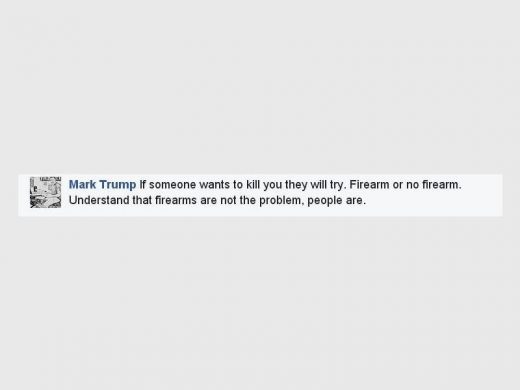
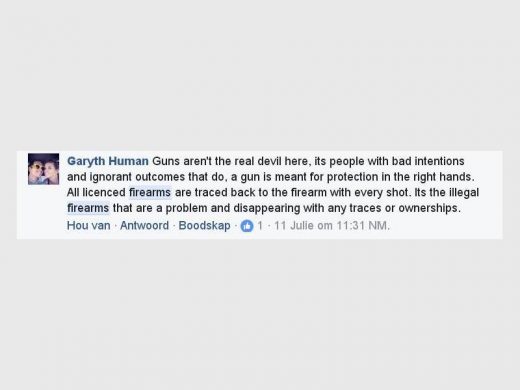
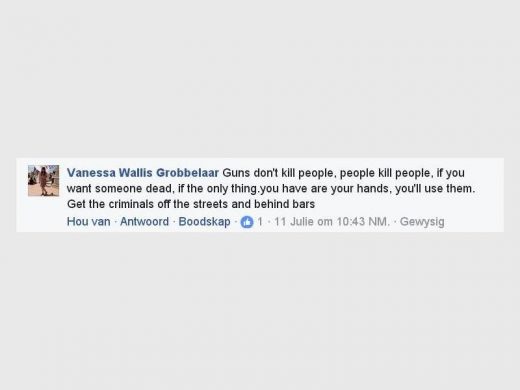
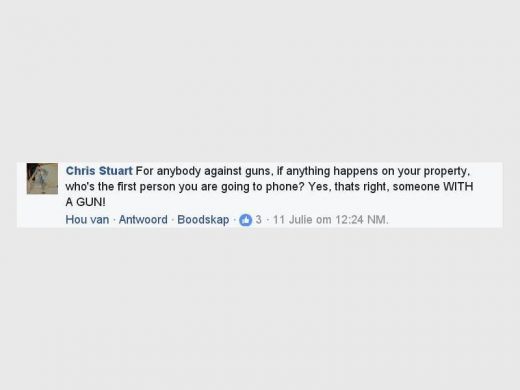
We asked the public what they thought about firearm ownership. Here is what they said:
Do you perhaps have more information pertaining to this story? Email us at krugersdorpnews@caxton.co.za or phone us on 011 955 1130.
For free daily local news on the West Rand, also visit our sister websites:
Remember to visit our Facebook, Twitter and Instagram pages to let your voice be heard!