Local farmers benefit through agricultural and biotechnology research
Investing in scientific research is mostly a long-term process, however the future socio-economic benefits are immense.
The Gauteng Department of Agriculture and Rural Development (GDARD)’s long-term funding of agricultural and biotechnology research is beneficial for smallholder farmers all over Gauteng, including Krugersdorp.
The potential benefits of the GDARD-funded Agricultural Research Agenda can also be seen in the ongoing research by former Wits University scientist, Dr Kulsum Kondiah, who for the past few years has been working on promising research towards finding a solution to Gauteng’s heavy metal underground water pollution problem, arising from acid mine dumps.
“Currently, livestock and people in some parts of Gauteng are drinking water with heavy metal levels of pollution that are above World Health Organisation acceptable limits.
This is threatening the well-being of the environment, the people and livestock, through direct and indirect uptake of the heavy metal polluted water and food intake,” said Dr Kondiah.
Fortunately, Gauteng’s heavy metals pollutants problem might get solved in the not-too-distant future. Hers research focused on the West Rand, one of the areas where underground water is polluted by heavy metals flowing from local mines.
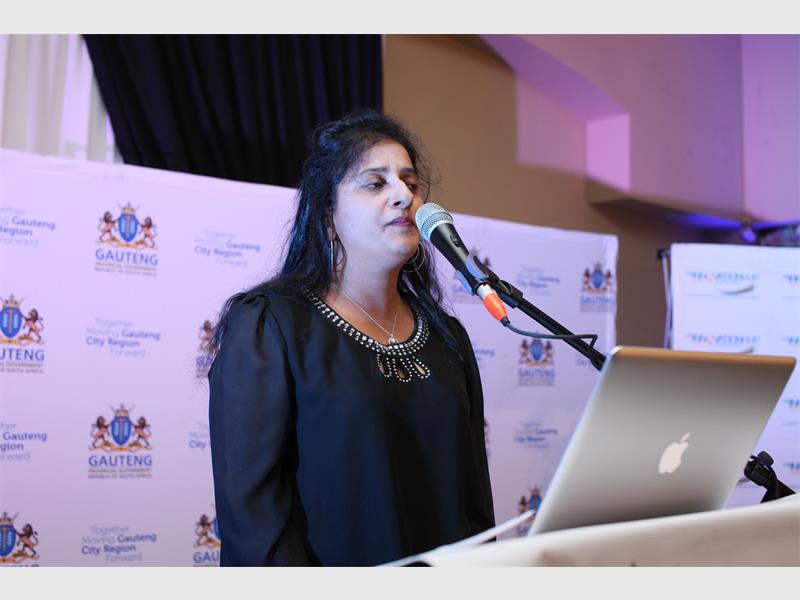
Elsewhere, in its promotion of research, GDARD recently used its Agricultural Research Agenda programme funds to reward and recognise the inspirational achievements of the University of Pretoria’s Professor Namrita Lall in the field of biotechnology research – including medicines to cure liver diseases and tuberculosis, anti-ageing cosmetics and alleviation of skin hyper-pigmentation, and presented her with a Biotechnology Lifetime Achievement Award at the Gauteng Biotechnology Fundi Awards held in February, at the Midrand Conference Centre.
Professor Lall said once these products hit local pharmacy shelves, importation of similar products would no longer be necessary. The locally made products would be cheaper, and local companies would benefit from manufacturing them. Further, there will be opportunities to export the products, create socio-economic benefits ranging from earning foreign currency to employment creation and increase the public’s access to medicinal products.
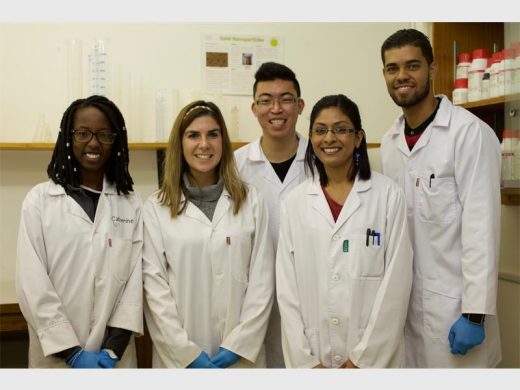
Professor Lall said her work has inspired most of the female students who are working with her on ground-breaking research funded by the South African Department of Science and Technology. The main aim of the programme since 2008 has been to address holistic agricultural productivity challenges and promote on-farm research and development, including the linking of sustainable agricultural production with sustainable use of natural resources.
One of the groundbreaking examples emanating from the implementation of the research programme is the work done on developing an anti-tick vaccine, which will improve both food security and human health.
* About the writer: Emmanuel Koro is a World Bank International Award-winning environmental journalist based in Johannesburg.
Do you perhaps have more information pertaining to this story? Email us at krugersdorpnews@caxton.co.za or phone us on 011 955 1130.
For free daily local news on the West Rand, also visit our sister websites:
Remember to visit our Facebook, Twitter and Instagram pages to let your voice be heard!