SASP is taking back the streets
SA Society of Physiotherapy calls for better protection for walkers and runners.
Did you know that in the City of Johannesburg, you should not plant shrubs and bushes on the pavement in front of your house? It’s true. In terms of the by-laws, “No person may plant or cause to be planted, any tree, shrub or other plant on any public road or any sidewalk, footway or road reserve forming part thereof, which obstructs or interferes with pedestrian traffic on such sidewalk, footway or road reserve or allow any such tree, shrub or plant to remain on that sidewalk, footway or road reserve.”
Why? Because it’s dangerous for pedestrians to walk in the road itself. Plants filling up the pavement force people to step onto the tar, possibly into the path of vehicular traffic. But this by-law is seldom, if ever, enforced.
“People walking or running, using their legs to move around, are not less important than drivers,” said Dr Ina Diener, president of the South African Society of Physiotherapy (SASP).
“They should be protected by our metropolitan police with as much attention as vehicle drivers receive – if not more, because they are more vulnerable.”
A pedestrian or runner is not likely to survive an encounter with a vehicle made of metal – which explains why more than half the deaths on our roads are pedestrian deaths. And yet some 2,9 million workers walk to work, and 12,7 million learners walk to school every day.
The SASP, she added, would like to see the municipal and traffic authorities take positive action to protect those who walk and run:
• Ensure pavements are safe for foot traffic.
Not only should there be a clear area free of shrubs and trees, but pavements should also be clear of debris that could trip pedestrians, and all manhole covers should be checked regularly.
• Ensure that pedestrian crossings are well marked and policed.
Traffic police should enforce zebra crossings and ‘little green men’ by fining drivers that ignore them.
• Allocate officers to sites where pedestrians and vehicles coincide.
Schools, taxi ranks and routes that feed pedestrians to and from large businesses and factories should have officers on duty to ensure safety during key periods of the day.
• Plan new roads to include provision for foot traffic.
• Pedestrian bridges are not the only solution – plan to create an easy flow for those walking and running, prioritising them.
• Initiate special projects to protect pedestrians.
Muggings of people on foot are common – whether they are commuters making their way to the railway station or runners getting their exercise. Hot spots could be the subject of special task forces, with their own help lines.
“If people feel safe to walk or run, this is serving the country’s long-term goals in terms of both carbon emissions (more non-motorised transport is what is needed in the fight against climate change), and health,” said Dr Diener.
“Our Department of Health is fighting a battle against non-communicable diseases, such as cardiovascular illness and diabetes, which threaten to swamp our health services as the numbers rise. Exercise is a crucial weapon in this battle: the more South Africans move, the better their health will be.”
All physiotherapists prescribe exercise to help with existing physical problems and stave off future ones.
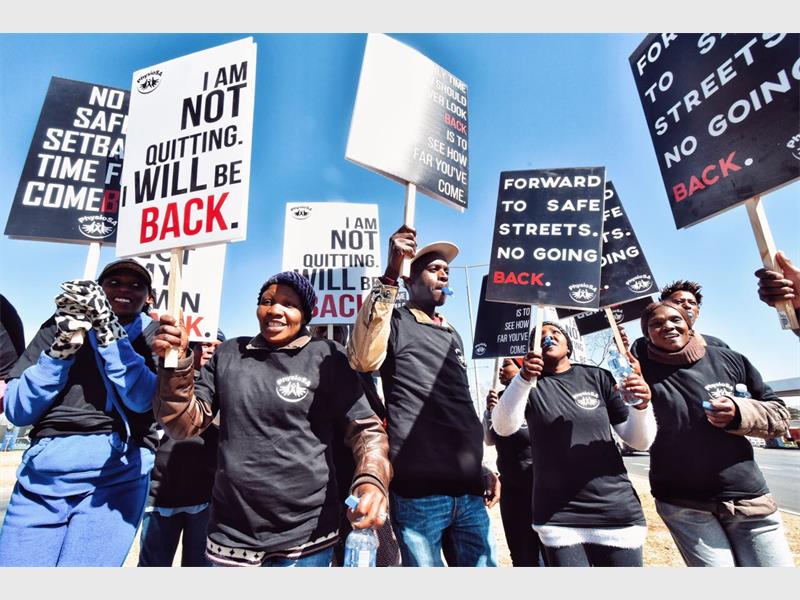
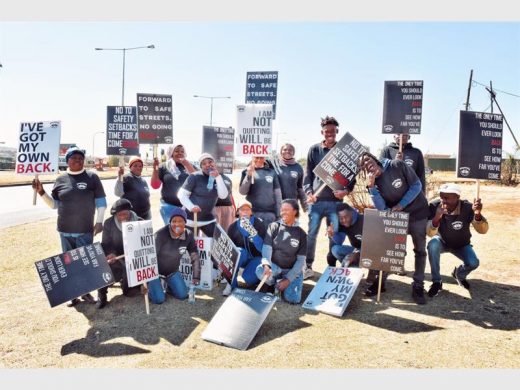
“During National Physiotherapy BackWeek from 4 to 8 September this year, we call on all South Africans to come together and fight for safer streets and public open spaces, for our health and the health of our children,” she said.
“We ask our Minister of Police, Fikile Mbalula, all commanding officers of the police, and our traffic officers, to make a firm public commitment to guarding open spaces and routes people use for walking, running and cycling, every day. Let’s take back our streets and parks!”
For more information, visit SASP’s website at www.saphysio.co.za or contact them on 011 615 3170.
Do you perhaps have more information pertaining to this story? Email us at krugersdorpnews@caxton.co.za or phone us on 011 955 1130.
For free daily local news on the West Rand, also visit our sister websites:
Remember to visit our Facebook, Twitter and Instagram pages to let your voice be heard!