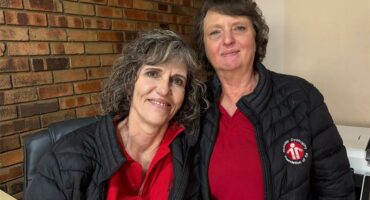
ADHD affects all racial groups
A lot of black parents don't believe their children could have ADHD because it is perceived to be a condition that only affects white people.
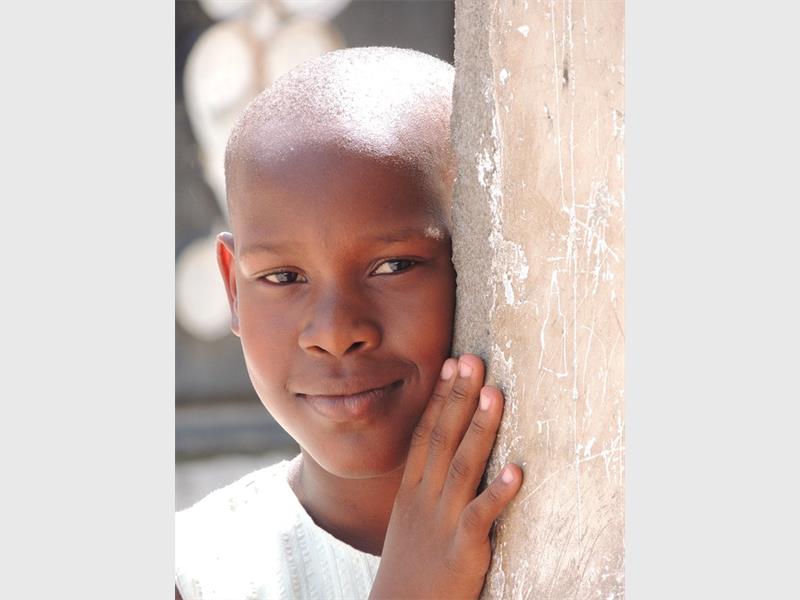
The myths and misconceptions about who is likely to be affected by ADHD is a barrier to diagnosis.
Experts say that Attention Deficit Hyperactivity Disorder (ADHD) affects all ages and all sectors of the population equally. Furthermore, the notion that it is a childhood condition is completely false. The truth is that if ADHD is left untreated, it persists into adulthood and can become a lifelong chronic condition. This reality is mirrored locally as psychiatrists have to deal with these misconceptions on a daily basis.
Child psychiatrist, Dr Ursula Kediemetse (also known as Dr Kedi) said there is a poor understanding of neurodevelopmental disorders, and a specific misconception exists that ADHD does not affect black children. Dr Kedi has encountered black families in which parents are surprised their child might have ADHD – or even refuse to accept it.
“ADHD is common in children in my experience, and when it is left undiagnosed, it has far-reaching consequences for the individual. It impacts on their ability to learn, interact socially and function within the family unit,” explained Dr Kedi.
This can be compounded when the parents of the child don’t believe it’s possible for their child to have the condition in the first place – as Dr Kedi has experienced.
Other challenges include the necessity for accurate reporting of symptoms by parents and caregivers for proper diagnosis across all race groups. Reporting is often variable and even contradictory. Added to this challenge is that the disorder is commonly missed among girls, who seldom present with outward, noticeable symptoms, like boys do, and tend to withdraw and become quiet daydreamers instead.
Dr Kedi frequently treats young patients whose parents believe it is simply a behavioural problem that they will outgrow.
Peter Khumalo, a father of three from Krugersdorp’s CBD said he is not familiar with the condition, although it is possible that it affects his eldest son, 14-year-old Lebohang. “I thought he was just a naughty child with an overactive imagination, which is normal. Neither his mother, nor me, nor even his class teacher, noticed that there is something different about him, but his doctor did. I’m still uncertain on ADHD but I will be taking Lebo for testing,” said Khumalo.
Education and awareness is key in helping individuals with ADHD to get diagnosed and treated. Helpful resources, like the MyADHD self-assessment tool and blog posts on how to deal with ADHD throughout the patient’s lifespan, can provide a deeper understanding of ADHD. For more information on ADHD, visit www.myadhd.co.za. For diagnosis, go to www.readingclinic.co.za – or call 011 954 3867. There are reading clinics in both Krugersdorp and Randfontein.
Do you perhaps have more information pertaining to this story? Email us at krugersdorpnews@caxton.co.za or phone us on 011 955 1130.
For free daily local news on the West Rand, also visit our sister websites:
Remember to visit our Facebook, Twitter and Instagram pages to let your voice be heard!