
Social grant beneficiaries urged to avoid debt trap
When consumers are really struggling to make ends meet, the worst thing that they could do is take on more debt.
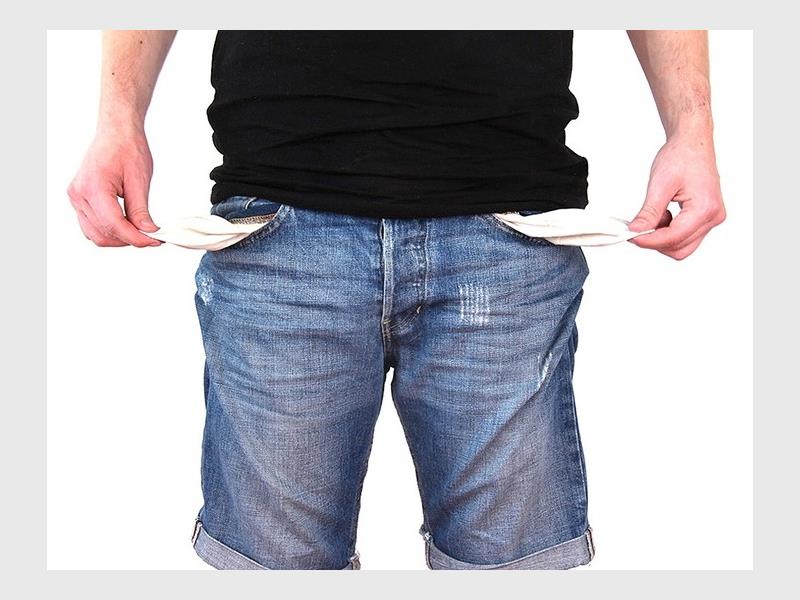
Social grant beneficiaries have been cautioned not to become over-indebted by taking out loans from unregistered credit providers, particularly those who are located outside social grant pay points, and tend to capitalise on people’s circumstances. They should be avoided at all costs.
Here’s some sound advice that will help you avoid the debt trap:
• Choose a reputable lender: If you are considering taking out a loan, make sure that this is only done through a reputable lender who is registered with the National Credit Regulator (NCR). Reputable lenders have strict credit checking processes, which helps to decide if the potential borrower can afford to repay the loan before it is granted. If you are considering taking out a loan, make sure that you do your homework on the options available and the lenders themselves.
• Avoid unregistered credit providers: Consumers may be tempted to go to an unregistered credit provider because it is often ‘easier’ to secure a loan from them, especially if the consumer has a bad credit record. Unfortunately, these lenders can, and do, charge whatever fees they like, or hold onto personal items belonging to the borrower such as an ID document or Sassa card until the debt is repaid. Neither of these acts is allowed by the National Credit Act 34 of 2005.
• Understand the costs of a loan: It is also a good idea to know exactly what the total cost of the credit is (including fees and interest), before accepting the terms of the loan. Often the fees and charges are ‘hidden’ by more unscrupulous lenders and can results in a nasty surprise when it comes to repaying the loan.
• Manage your debts: The first priority for any consumer should be to pay off their debt, as the longer it takes them to repay the debt, the more interest the consumer has to pay. However, debt does not have to put a consumer in a financial dilemma, which is why it is advisable to stick to the payment terms and conditions in order to clear the debt as soon as possible.
• Budget for saving: Consumers who do not have a rainy day savings fund may find themselves strapped for cash when an emergency arises and often the only option to cover the expense is to take a loan. It is a good idea for consumers to set up a separate savings account, where their emergency funds can be kept separate from the accounts normally used for handling day-to-day finances. It can be useful for you to create a monthly debit order to automatically transfer a set amount of money into your savings account – no matter how little the amount. This will ensure that you do not skip a monthly transfer and will therefore have money set aside for when you really need it.
Do you perhaps have more information pertaining to this story? Email us at krugersdorpnews@caxton.co.za or phone us on 011 955 1130.
For free daily local news on the West Rand, also visit our sister websites:
Remember to visit our Facebook, Twitter and Instagram pages to let your voice be heard!