
Suicide rate haunts Gauteng
Here's how family and friends can identify a suicidal person.
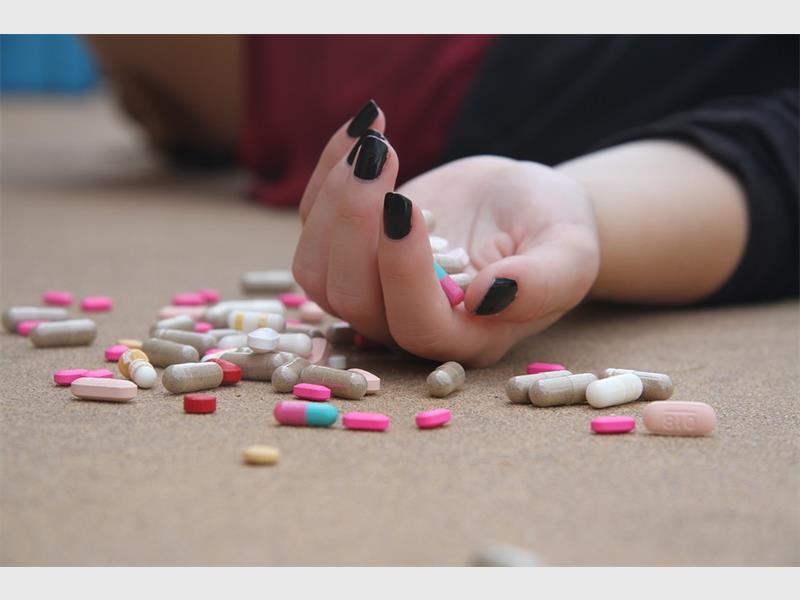
The Institute of Race Relations (IRR) reported late last year that South Africa has a suicide rate of 10,7 per 100 000 people, a figure much higher than other African countries such as Botswana (9,7), Egypt (2,6), Malawi (5,5) and Nigeria (9,9).
IRR analyst, Tawanda Makombo, said that while South Africa’s suicide mortality rate is lower than some countries in Africa, suicide is a problem the country needs to tackle more effectively.
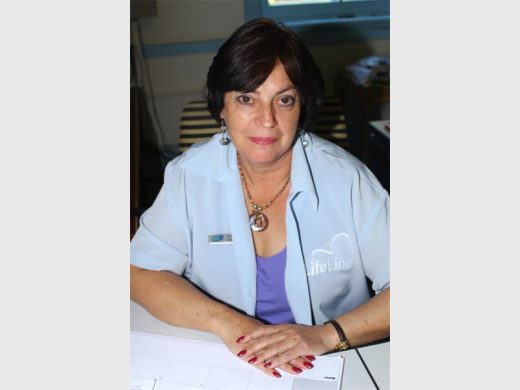
Photo: Bianca Pindral.
The News regularly hears about people who commit suicide in Krugersdorp and sometimes chooses not to report on it out of respect for the family and because it was done in a private place.
LifeLine Krugersdorp recently approached the News saying that suicides increase during Spring time, exam time and the festive season. “There seems to be a greater risk of people committing suicide as they experience intense feelings of increasing anxiety, loneliness, depression and fear of failure, meaninglessness, emptiness, hopelessness and helplessness, which sometimes leads to suicide. Not everyone experiencing these feelings will commit suicide,” said Karina Swart, Director of LifeLine Krugersdorp.
She explained that family and friends should be aware of the following warning signs:
Actions:
• Giving away possessions
• Withdrawal
• Loss of interest in hobbies
• Substance abuse
• Reckless behaviour
• Extreme behaviour changes
• Impulsive behaviour
• Self-mutilation
• Crying
• Emotional outbursts
• Putting affairs in order
Thoughts and speech
• “I won’t be needing this anymore”
• “I can’t do anything right now”
• “I can’t take it anymore”
• “I wish I was dead”
• “Everyone will be better off without me”
• “All my problems will end soon”
• “No one can help me now”
Feelings
• Helplessness
• Anger
• Guilt
• Worthlessness
• Loneliness
• Sadness
Physical:
• Changed sexual interest
• Disturbed sleep
• Changed / lost appetite/ weight
• Lack of interest in appearance
• Changed physical health
If you are experiencing these signs or you see a family member experiencing them, consider contacting LifeLine West Rand via one of the following numbers:
• National Crisis Line: 0861 322 322
• Aids Helpline: 0800 012 322
• Stop Abuse Helpline: 0800 150 150
Alternatively, book a face-to-face counselling session at their offices on 011 665 2281, between 8am and 4pm.
LifeLine also offers a personal growth and counselling skills course. To register for the 2018 course, send an e-mail to office@lifelinewestrand.co.za or visit the offices at 25 Boshoff Street (corner Commissioner Street) Krugersdorp.
Do you perhaps have more information pertaining to this story? Email us at krugersdorpnews@caxton.co.za or phone us on 011 955 1130.I
For free daily local news on the West Rand, also visit our sister websites:
Remember to visit our Facebook, Twitter and Instagram pages to let your voice be heard!