
Woman breaks leg on Hekpoort hiking trail
The emergency services personnel who carried the injured woman off the mountain trail gave advice on what to do in this situation.
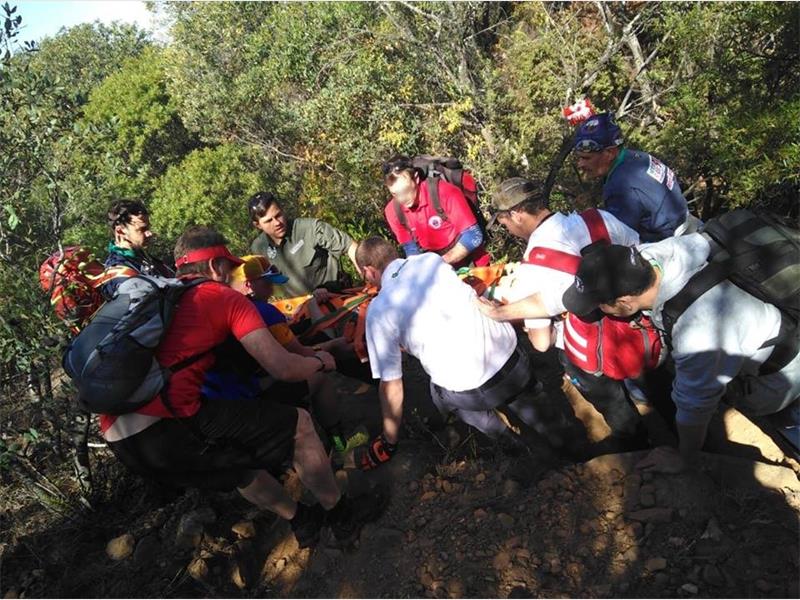
A local hiker who is in her 60s, slipped and fell off a mountain in Hekpoort yesterday, 29 July.
Those who were hiking with her reported that she had lost her footing and fallen.
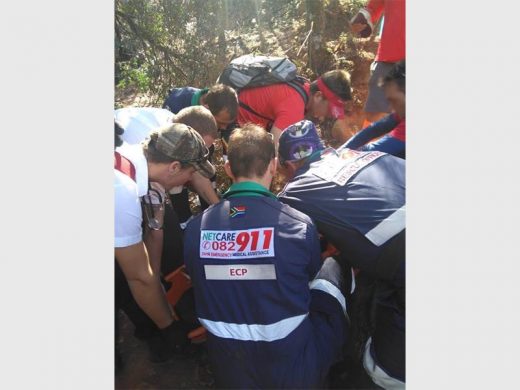
Photo: Netcare 911.
They called Netcare 911 paramedics who responded. While treating her, they realised she had sustained a fracture to her lower leg and needed urgent medical treatment. She was taken to a hospital nearby.
Also Read: [AUDIO] Krugersdorp man (78) slips from cliff in the Cape
Arrive Alive warned hikers of the potential hazards of the adventurous sport and gave some tips on how to stay safe while hiking.
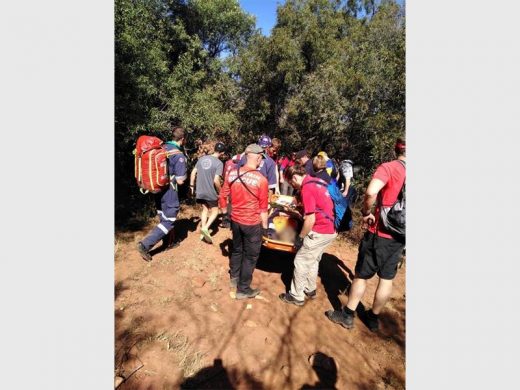
The Arrive Alive website receives far too many reports from emergency services on the need for evacuation from hiking trails.
But why would an evacuation be required and what are the most common emergencies?
Preparedness and planning:
Safety starts long before the hiker heads onto the trail. With effective pre-planning and research, many of the hazards can be avoided. Hikers should be well informed about the hiking trail, use their common sense and be aware of their limitations. Before you leave, plan and do some research on the trail. Check regional hiking information for potential animal life, poisonous plants, local hunting areas/ seasons, and hiking alerts. Equip yourself with information about route-finding such as maps, guidebooks or a GPS file of the route. Check websites and online forums and communicate with others who have been there and hiked the trail. Ask them what the hazards are and what their advice would be on safety. Choose the hiking trail according to the ability, fitness and experience of the group. Tell someone exactly what your plans are, what time you’re starting and what time you’re expecting to finish. Give that person a map as well. It is best to stick to times when you’re likely to see other people, such as early in the morning or in the late afternoon. Never ever hike alone.
What should a hiker be wearing for safety on the trail?
Always go prepared for severe weather, i.e. take proper weatherproof (wind- and rainproof) clothing, even on a sunny day. Wear a hat and sunblock and possibly sunglasses. In wintry weather, wear a warm cap/ beanie to prevent heat loss through your exposed head. Avoid unpleasant and unnecessary falls by purchasing the correct hiking shoes and trekking poles. Wear waterproof, sturdy, comfortable shoes or boots, such as a good pair of trail trainers or hiking shoes with traction and nonslip soles to protect the ankles. Avoid brand new shoes – break them in well before you wear them on the trails. Avoid borrowing hiking boots from someone else, as you never know if they are broken in or too worn when getting them this way. Wear breathable socks, and pack an extra pair. Carry a watch or other timekeeping device.
What to do if you are with someone who is injured while hiking on the mountain:
• In case of injury, try to stay calm and take time to assess the situation. Do not rush off immediately and report an accident. Fifteen minutes or so spent observing reactions and making the person comfortable is time well spent. Ascertain to the best of your ability exactly what the injuries are and attend to them, where possible. Approach the patient, if safe to do so. Apply first aid. Check responsiveness, then perform the ABC routine: Check airway, check breathing, check circulation and stop any bleeding. If there is any possibility of spinal damage (especially to the neck) do not move the person unless it is necessary to do so for safety reasons. Protect the casualty/ies against further injury. Ensure that the rest of the group is safe.
• Seek medical assistance from elsewhere if there is no cellphone signal at the scene of the emergency to call for help. Leave someone with the patient if possible. It is imperative that they remain with them until the rescuers arrive. If there isn’t anyone to stay behind, make sure the injured person has shelter and supplies before leaving to seek help. Send two people for help and let the third remain with the injured person. If possible, mark the position on a map and send it with those going for help. Do not run if it is unsafe: you are of no help if you do not make it to a phone. Those going to seek assistance should identify landmarks so that they are able to describe the exact location of the accident or to guide a rescue party to the scene. Accidents should be reported to the nearest emergency services, police station or relevant authority responsible for the area in which the accident occurred.
• Information to provide to emergency services
When calling for emergency medical assistance you need to provide:
– Your cellular phone numbers
– Where you are
– Full names and ages of the casualty/ies
– Location where the accident occurred
– What happened – describe the events leading to the injury
– The nature and severity of the injuries
– Details of the rest of the group
– Stay at the phone. The mountain rescue leader will contact you for further details. If necessary, send someone else back to help the victim/s
– Remain available for questioning by the rescue leader so you can give full details of the accident
For more information about hiking and safety visit https://www.arrivealive.co.za/Hikers-and-Hiking-Safety
Do you perhaps have more information pertaining to this story? Email us at krugersdorpnews@caxton.co.za (remember to include your contact details) or phone us on 011 955 1130.
For free daily local news on the West Rand, also visit our sister newspaper websites
Remember to visit our Facebook, Twitter and Instagram pages to let your voice be heard!