
National Science Week visits Thembile Primary
This year's theme was 'Deepening our democracy through science'.
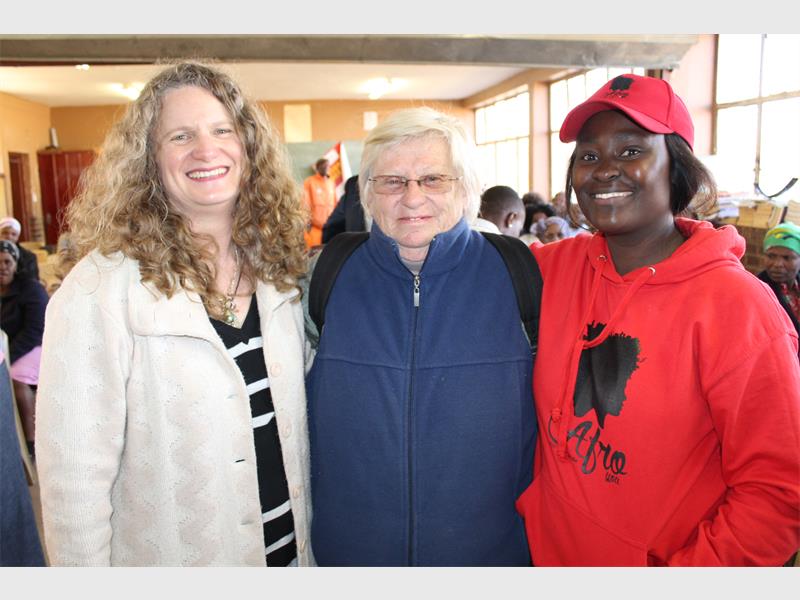
The Delta Environmental Centre hosted the National Science Week from 30 July to 3 August.
Once again, it offered a programme for learners designed to stimulate interest in science and showcase local innovations in science and technology.
This year’s theme was ‘Deepening our democracy through science’. With its focus on research, development and innovation, the national programme wants to make the sciences, technology, engineering, mathematics and innovation more appealing to learners, to ensure that they include these fields in their career options.
It is also aimed at introducing them to science so that they can contribute to society as informed and critically engaged citizens.
“The National Research Foundation has again chosen us as an implementer during its National Science Week. This will give us the opportunity to get parents, teachers, educators, learners and the private sector to consider the importance of science and education in our lives,” said Malusi Vatsha, chief executive of the centre.
He said reports often indicate that thousands of South African children leave school during their primary school years, and he therefore wants to challenge people to consider how they can ensure a more positive experience for children in school. This is aligned with the theme of deepening our democracy through science.
The centre partnered with Thembile Primary School in Kagiso to participate in the initiative. The centre offered educational programmes for the learners, educators, parents and members of the local community.
“We focused on exploring biodiversity for learners in Grades 4 to 7, with the learners and educators participating in hands-on, practical and interactive activities with our qualified education officers to create awareness of the contribution of the sciences to sustainable development and improved quality of life, including the protection of South Africa’s biodiversity heritage, energy and water,” Malusi said.
The existing exhibits at the centre, which consist of the Natural Sciences Museum, Biodiversity Room, Water Room and Energy Room, were used to enhance the activities of the programme, while Delta Park was used as an outside classroom to offer practical and real-life examples.
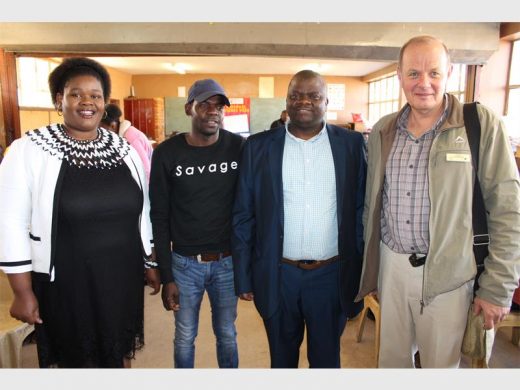
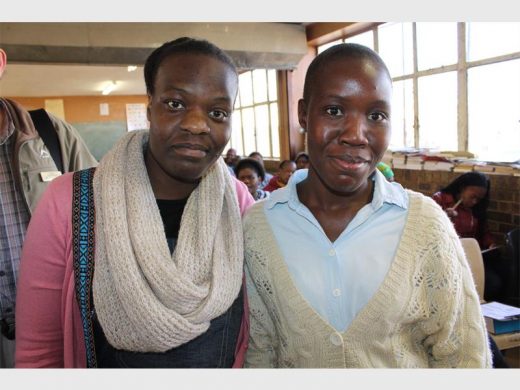
On Friday, 3 August, the centre presented a programme at the school where parents and community members as well as learners learned more about how the sciences can contribute to a better life for all.
Do you perhaps have more information pertaining to this story? Email us at krugersdorpnews@caxton.co.za (remember to include your contact details) or phone us on 011 955 1130.
For free daily local news on the West Rand, also visit our sister newspaper websites
Remember to visit our Facebook, Twitter and Instagram pages to let your voice be heard!