
Children are more at risk from sunburn at school due to inadequate protection policies
Even though there is more public awareness of sun protection, it doesn’t appear to be a top priority at the majority of SA schools.
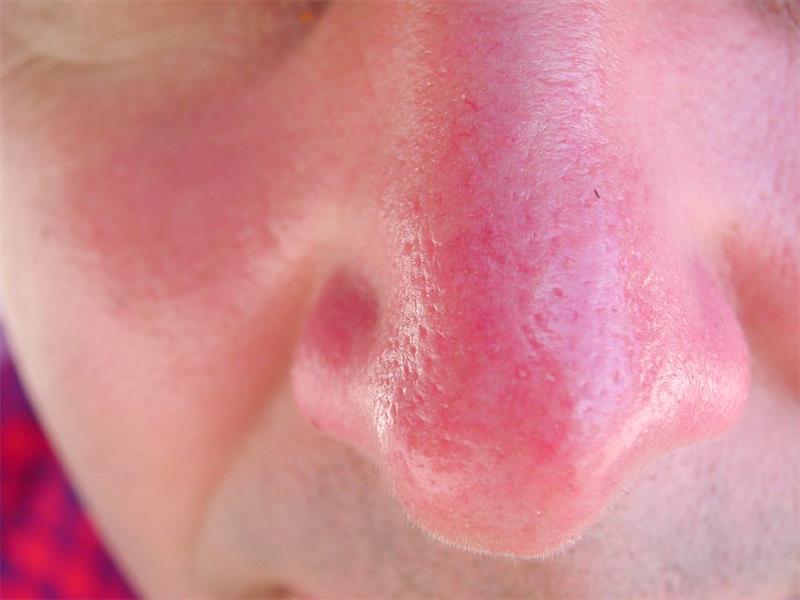
Copious amounts of sunscreen are sold each summer holiday in an effort to protect, in particular, children’s skin from both the damaging ultra-violet (UVA and UVB) rays of the harsh South African sun, but when kids go back to school, this dogged persistence seems to wane.
Today, millions of school learners went back to schools around the country – many of which have inadequate or no sun protection policies in place, leaving children exposed to sunburn.
Even though there is more public awareness of sun protection, it doesn’t appear to be a top priority at the majority of SA schools, since other pressing issues such as nutrition and violence seem to have taken precedence. However, interventions at school level are critical in curtailing SA’s high incidence of skin cancer, and should receive more attention.
Local research studies have shown that sunburn in children significantly increases the risk of developing skin cancer and melanomas – the deadliest form of skin cancer – later in life. It is therefore vital that children are protected from the sun, not only when at the beach or the swimming pool, but at school as well.
In South Africa, skin cancer remains the most common cancer with about 20 000 reported cases and 700 deaths a year, making it a significant health problem. According to Cansa, most of a person’s lifetime exposure to the sun occurs before the age of 18, which makes sun-safe policies an absolute must at pre-schools, primary schools and high schools.
As in Australia – where skin cancer rates are amongst the highest in the world – SA schools across the board should adopt similar sun-smart policies. Some of these interventions include learners having to wear a broad-brimmed hat as part of their school uniform. If no hat is worn, learners may not play outside; plenty of shade is also provided on the playground via trees or structures; the use of sunscreen is encouraged and time is allowed for application, and during outdoor athletic or sporting events, ample provision is made for shade to avoid sunburn.
In addition to these measures, scientific studies have validated the health properties of rooibos on skin, which may assist with various skin ailments including the prevention of the development of cancer. Thus, parents whose children have been badly sunburnt may be able to turn to rooibos for help.
Dr Tandeka Magcwebeba, a post-doctoral fellow at Stellenbosch University, who has done extensive research on the anti-cancer properties of rooibos on the skin, said the topical application of rooibos may offer protection against the early stages of cancer development in the skin. Dr Magcwebeba said that once the anti-cancer properties of rooibos have been fully characterised, this herbal tea may become one of the agents that could protect children’s skin from some of the damage caused by the sun’s harmful rays.
“Rooibos extracts have the ability to remove precancerous damaged cells and also block the onset of inflammation. They do so by stopping the multiplication of cancerous cells and removing these cells through programmed cell death – in other words, prompting the cells to commit suicide.
“It’s the abundance of polyphenols (antioxidants) – natural compounds found in rooibos – that give it its restorative power,” explained Dr Magcwebeba.
“These compounds are linked to the prevention of various chronic disorders, including skin cancer. However, it is important to note that preliminary findings show that rooibos extracts are more effective during the early stages of skin cancer development as they are able to facilitate the removal of UVB-damaged cells, thereby delaying their progression into a tumour.”
If your child does end up with nasty sunburn, anecdotal evidence indicates that soaking him/ her in a lukewarm bath of rooibos tea two to three times a day, could help reduce inflammation, which is likely due to the tea’s anti-inflammatory properties. This, in combination with the abundance of antioxidants present in rooibos tea will help to naturally accelerate the healing of the skin.
It is still uncertain how much rooibos extract is needed to prevent the development of skin cancer, but according to science, children (and adults) who spend a lot of time in the sun may benefit from using cosmetics, sunscreen and after-sun skincare products containing rooibos extract.
For more information on rooibos’ healing potential, visit https://www.sarooibos.co.za.
Do you perhaps have more information pertaining to this story? Email us at krugersdorpnews@caxton.co.za (remember to include your contact details) or phone us on 011 955 1130.
For free daily local news on the West Rand, also visit our sister newspaper websites
Remember to visit our Facebook, Twitter and Instagram pages to let your voice be heard!