
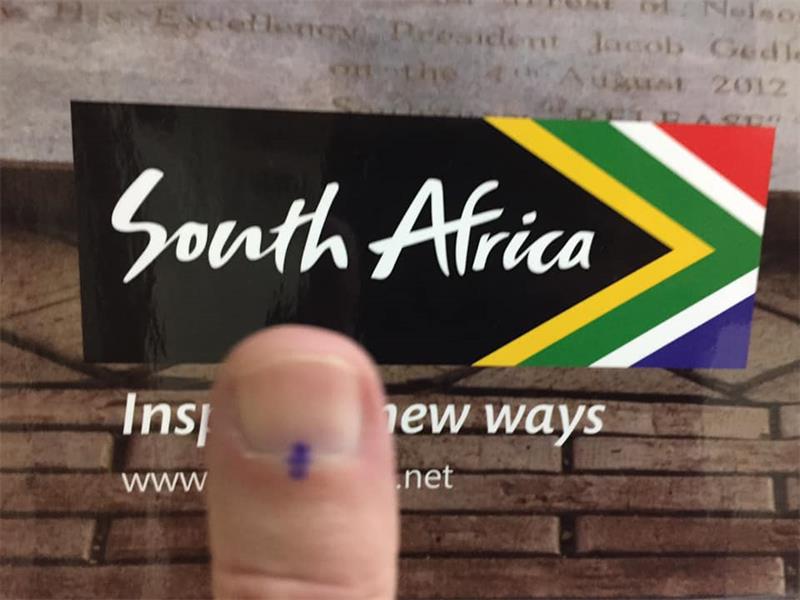
Twenty-five years to the day when South Africans voted in the first democratic elections, voting in the sixth national elections got under way at 7am (local time) on Saturday, 27 April at South Africa’s high commissions, embassies and consulates-general around the world.
The 29 334 voters who received approval to vote overseas were required to visit the mission indicated on their application and take with them their South African IDs (either a green bar-coded ID, a smartcard ID or a valid temporary ID certificate) and their valid passport.
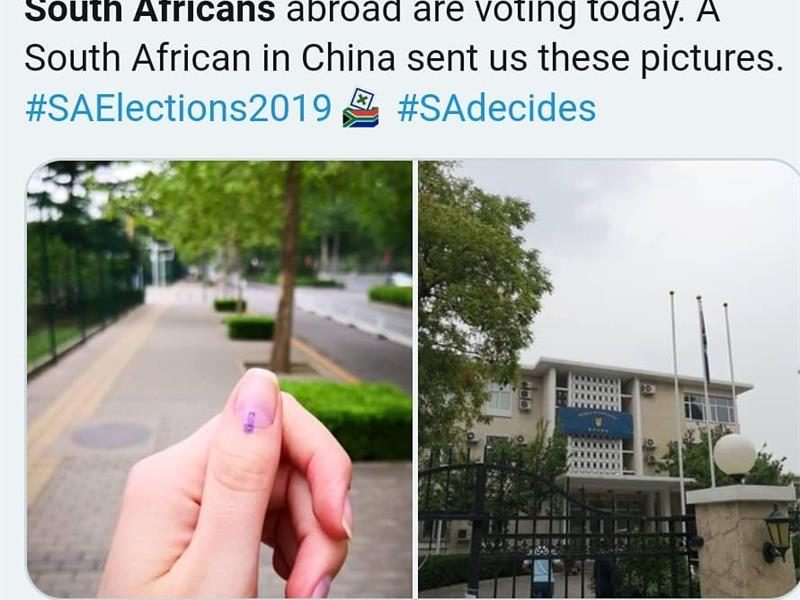
This year the voting process was simplified and voters will no longer be required to complete a special vote application form before voting.
Once they voted, their ballot was sealed in a double envelope and all ballots were placed in sealed diplomatic bags which will be transported back to the National Office of the Electoral Commission during this week.
At the close of voting on election day in South Africa (9pm on 8 May) the returned overseas ballots will be opened by election officials, counted and added to the national ballot count for each party participating in the national elections.
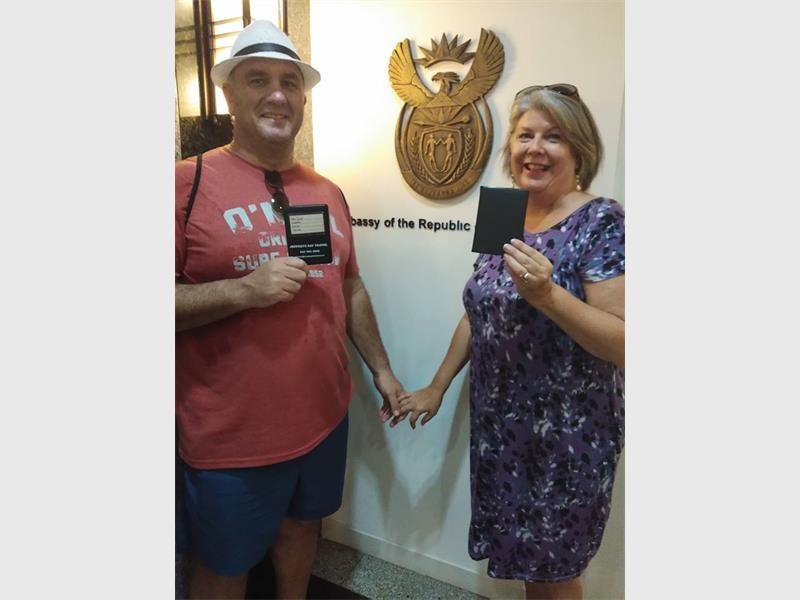
This takes place under the scrutiny of observers and party agents. Overseas voters only vote in the national and not provincial elections.
Voting is conducted by South African diplomats who were trained as election staff by the Electoral Commission – although a number of senior Electoral Commission staff have also been deployed to high-density overseas voting sites such as London and Dubai.
The top 10 foreign missions with the most voters were:
• London – 9 084
• Dubai – 1 542
• The Hague – 1 355
• Canberra – 1 195
• Abu Dhabi – 1 061
• Wellington – 927
• Dublin – 817
• Kinshasa – 797
• New York – 605
• Doha – 566