Future of the Kloof threatened
The Kenmare Kloof is home to many rare and beautiful fauna and flora, but what is the right way forward to keep this beautiful area protected?
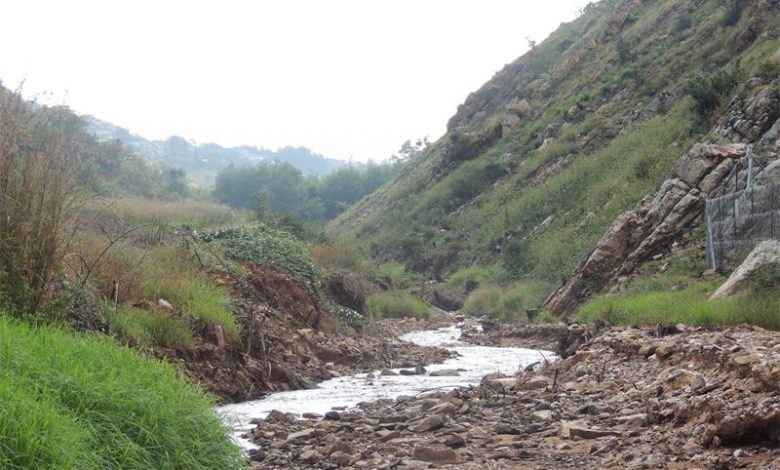
In the heart of the West Rand lies the Greater Roodekrans Ridge. In Krugersdorp, the Kenmare Kloof forms part of this Ridge.
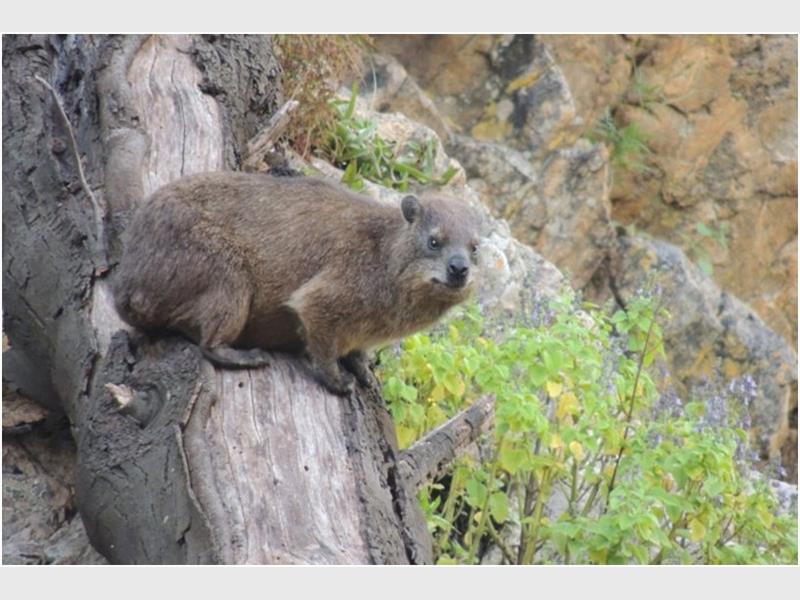
The Kloof is an area where many animals and plants can be found including many of the South African Biodiversity Institute’s red and orange list species. These include the endangered mountain Reedbuck and the critically endangered Albertina Sisulu Orchid.
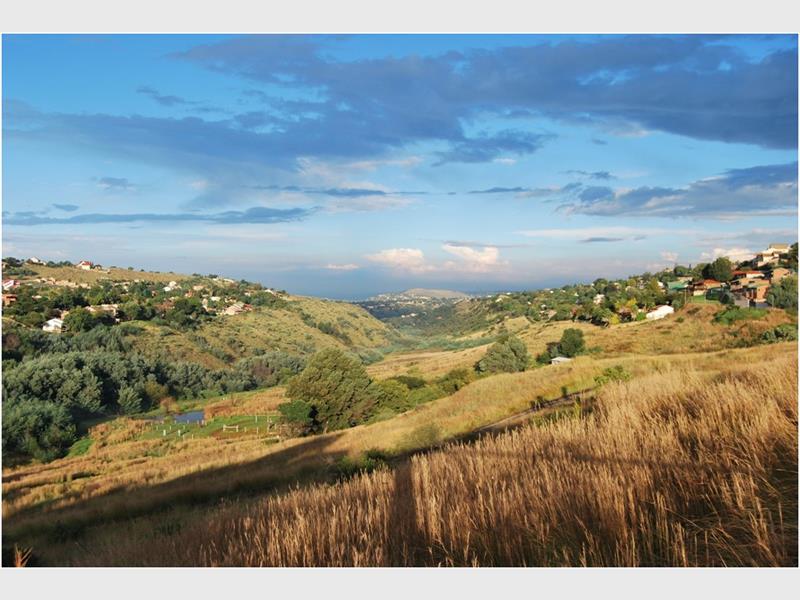
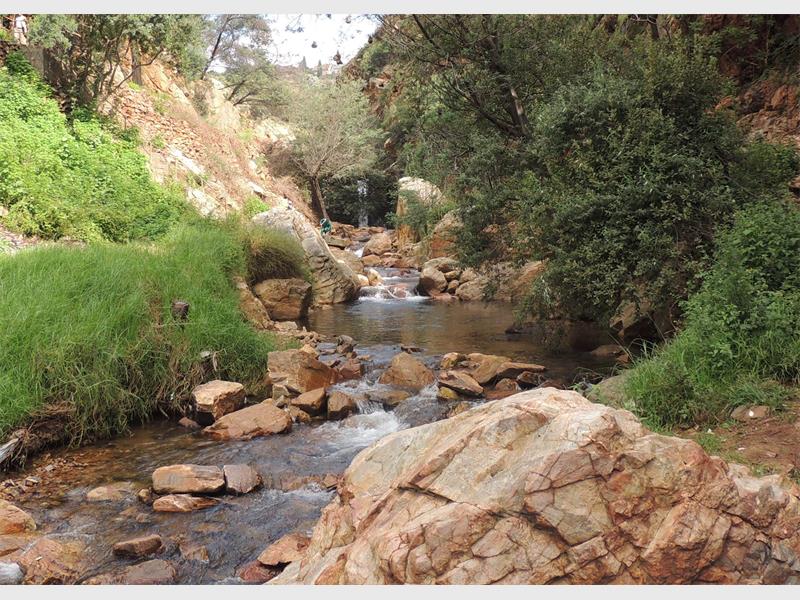
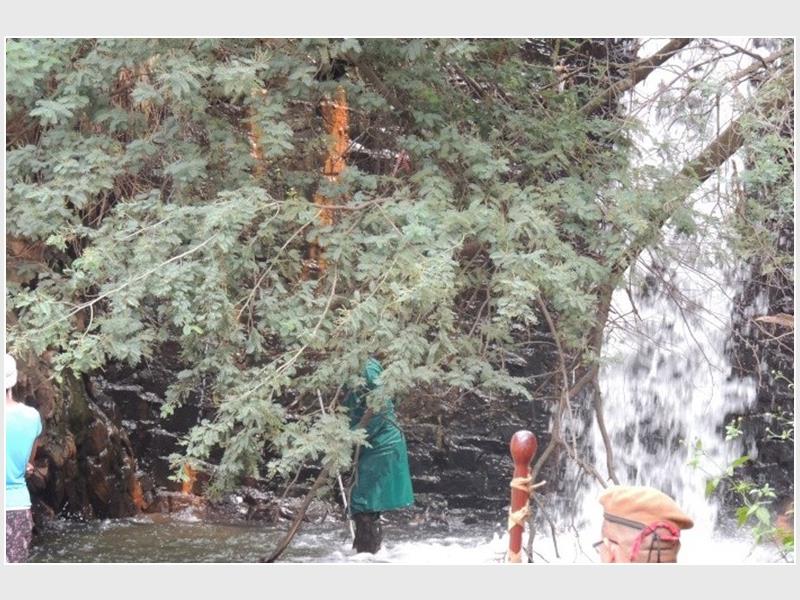
In the past few years this beautiful piece of nature with its unique waterfalls and streams has attracted many, and unfortunately this threatens the future of the Kloof.
The Kenmare Kloof Conservation Association (KKCA) is a community organisation founded in 2019 and they have proposed that the management of the Kloof, which currently falls under Mogale City, be handed to them.
Apart from cleaning and securing the Kloof, the KKCA also wants to make use of the lapa to do environmental awareness and other types of training. They want to invite school groups to learn about nature, have safe hiking trails, host talks about conservation, and continue to remove invasive alien plants.
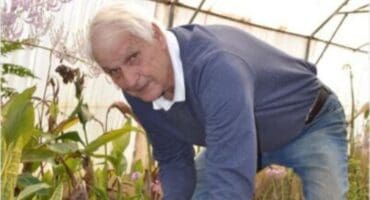
Hanno Moller, the KKCA chairperson explained they would be providing their own funds to look after the Kloof and said they already had people who were willing to donate. But putting in the work and not knowing the future of the kloof prevent them from donating.
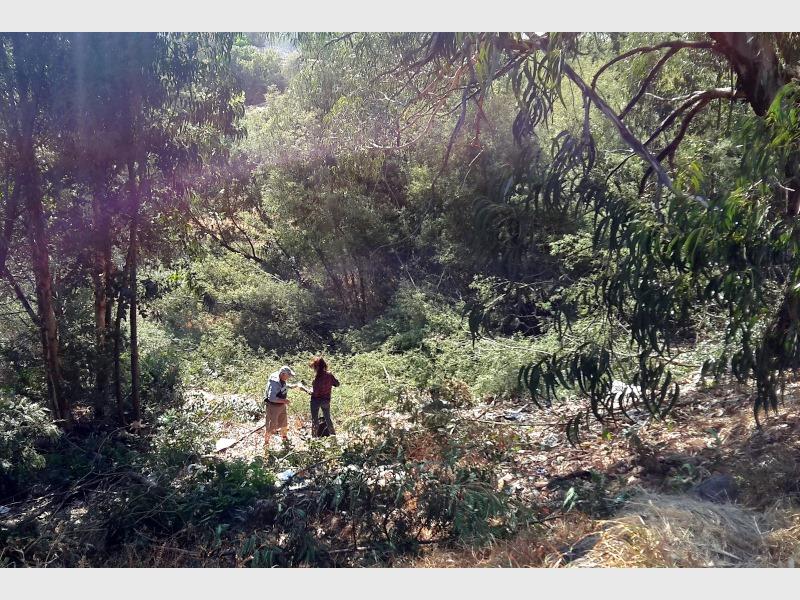
The KKCA has held community clean-up walks where they asked for donations as well. The money raised was said to have been used to pay the salaries of the staff working in the Kloof full-time to remove the invasive black wattle trees.
Some of the issues in the Kloof are that it is not a protected are; there are invasive plants; the unique streams are polluted; some use it as a dumping site; vagrants and squatters live there; snares are set and the animals are poached; and off-road vehicles and motorbikes access it illegally.
MCLM responded to questions the News asked regarding the Kloof, and acknowledged that they had received a proposal from KKCA to manage it.
Lucky Sele, the mayoral spokesperson said, “Since municipalities function under strict regulatory regime, a due diligence process has to be followed before it can lease this land portion. This include extensive consultations with relevant regulatory authorities, accounting authority, and interested and affected communities.”
When asked how the MCLM was currently managing the Kloof, Sele said they were working with local Community Policing Forums (CPF) and law enforcement to ensure the safety and security of the Kloof and surrounds.
He added that conservation was not the sole responsibility of the municipality, but it was “… a concurrent mandate between national and provincial government.
“The municipality has a Biodiversity Division, Environmental Protection Subdivision, and Environmental Management Inspectors that are hard at work to ensure environmental protection and conservation.”
Sele also said the lapa at the entrance to the Kloof on the Krugersdorp side was not being rented out at present.
But not everyone agrees with the KKCA’s approach, and it was alleged that the removal of the black wattles had led to fire and flooding issues in the past.
Tony De Castro and Adreas Oberlechner who are part of many other environmental projects in the area said the focus should be on the conservation of the Kloof, and not who manages it, adding that the Kloof has to be managed by someone who understand the ecology. This means that whatever plans are made for the Kloof, the welfare of the fauna and flora should remain a priority.
Hanno said the KKCA has partnered with the Wildlife Environmental Society of South Africa (WESSA) West Rand, who according to him has partners and stakeholders who want to fund environmental projects in the Kloof, including educating school learners.
“This can’t happen because we don’t have an official arrangement with Mogale City regarding leasing the property under the adopt-a-spot programme.”