Low-cost sensors to improve air quality monitoring across the West Rand
Twenty-four new low-cost air quality sensors are being installed across the West Rand to improve pollution monitoring and promote cleaner, healthier communities.
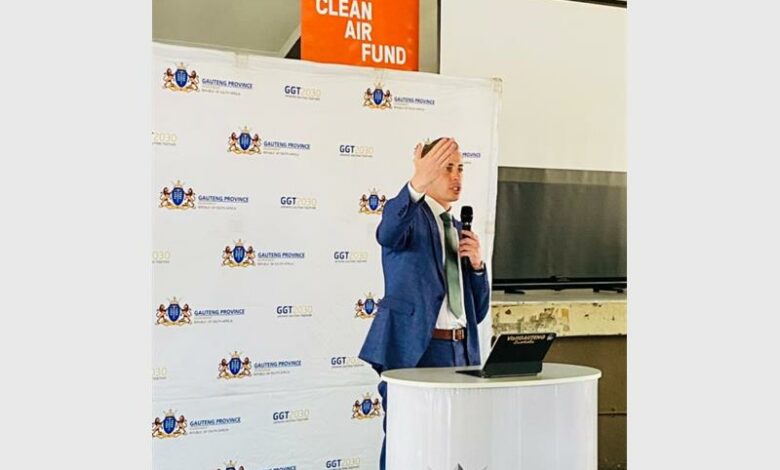
In a step towards improving air quality and promoting healthier communities, Gauteng MEC for Environment Ewan Botha has launched the rollout of Low-Cost Air Quality Sensors (LCS) across the West Rand.
According to Mogale City Local Municipality (MCLM) communications officer Refilwe Mahlangu, the LCS devices, donated by the Clean Air Fund, are designed to measure key pollutants such as nitrogen dioxide, carbon monoxide, ozone, and particulate matter. These sensors will enhance local air quality monitoring by expanding coverage, improving data accuracy, and providing real-time insights.
Botha said that although the West Rand has not yet been declared an area with poor air quality, data show growing pollution concerns linked to mining emissions, dust, and rapid urbanisation. The Department of Forestry, Fisheries and the Environment is currently considering declaring the region a priority area due to these persistent challenges.
At present, the West Rand has only two official air quality monitoring stations – both non-operational due to theft, vandalism, and insufficient maintenance. The new LCS technology will help bridge this monitoring gap, providing continuous and reliable data on air quality trends.
Mahlangu noted that poor air quality can have severe health impacts, contributing to respiratory and cardiovascular diseases such as stroke, heart disease, chronic obstructive pulmonary disease, lung cancer, and asthma. By improving access to accurate air quality information, authorities can respond more effectively to pollution challenges and safeguard public health.
“Through this initiative, 24 low-cost sensors will be installed across West Rand municipalities,” Mahlangu confirmed.
Mogale City is one of the beneficiaries, allocated six sensors – five of which have already been installed in key areas across the city.
“These sensors will strengthen the city’s air quality monitoring network, provide reliable environmental data, and raise public awareness about the importance of clean air for sustainable living,” Mahlangu concluded.