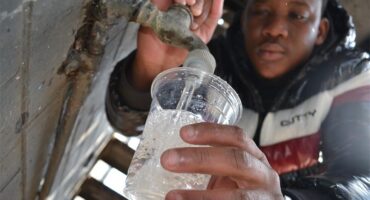
Disability awards highlight inclusion and achievement in Mogale
Mogale City honours individuals and organisations driving inclusion and celebrating the achievements of persons with disabilities.
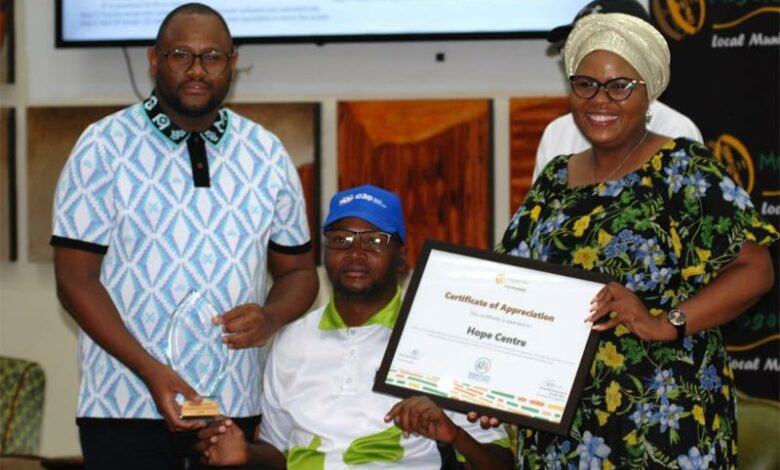
The inclusion of persons with disabilities is not optional; it is a constitutional obligation.
This was the key message delivered by Mogale City Executive Mayor Lucky Sele at the recent Disability Excellence Awards held at the Maropeng Visitors Centre.
Hosted under the theme ‘Together for a disability-inclusive Gauteng’, the awards also marked the conclusion of Disability Awareness Month, observed from November 3 to December 3.
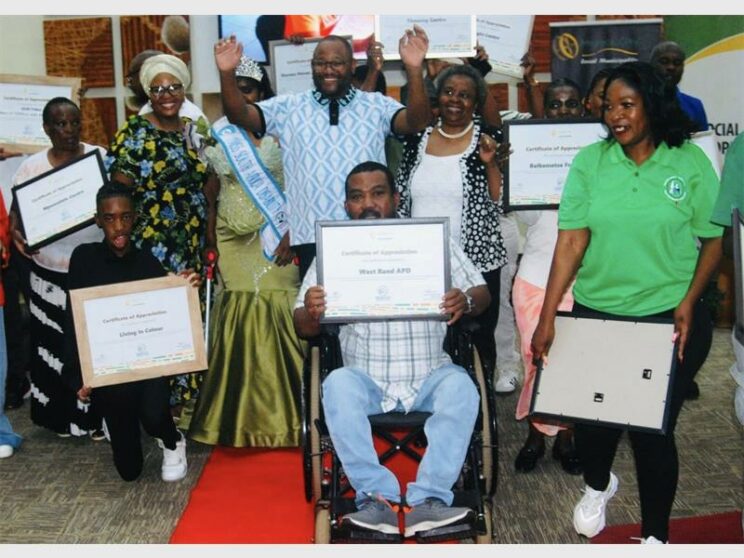
According to Sele, the awards recognise excellence across several categories, including leadership in social change, celebrating lived experience, rights activism and social impact, innovation and accessibility, and the achievements of persons with disabilities themselves.
The awards honour educators, caregivers, young innovators, and organisations that have gone above and beyond to promote inclusion and empower persons with disabilities. Individual winners received printers or laptops, while recognised organisations were awarded both.
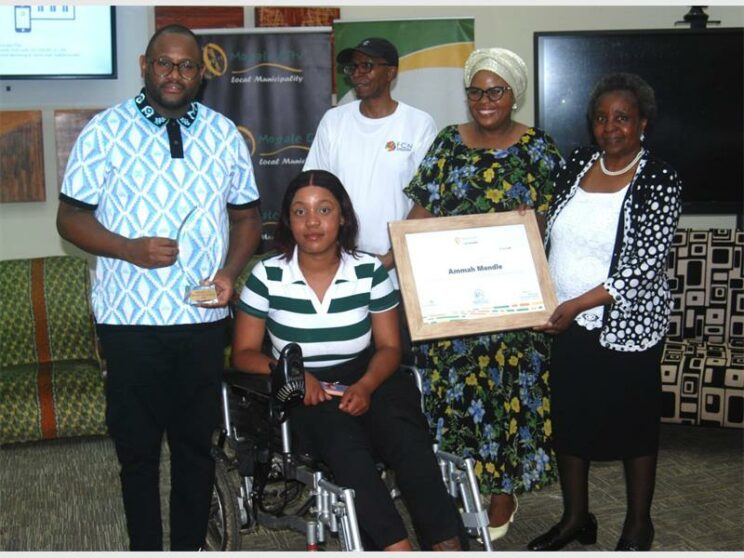
Speaking at the event, Mogale City Social Development Social Worker for People with Disabilities, Napogadi Masekoang, reaffirmed the department’s commitment to ensuring that persons with disabilities benefit from programmes addressing poverty, gender-based violence, access to opportunities and the removal of barriers. She further noted that several individuals have already been assisted in securing employment through municipal support.
Meanwhile, Rawkali Lethoko from Mogale’s Disability Forum emphasised the need to revive the city’s Disability Information Desk and improve municipal facilities to ensure accessibility. He also encouraged the public to familiarise themselves with the White Paper on the Rights of Persons with Disabilities to promote respectful and informed engagement.
“The awards sent a clear message: Mogale City sees, values and celebrates the contributions of persons with disabilities,” Lethoko concluded.