R27 million workshop project underway to formalise local auto industry
A new industrial hub in Swaneville is expected to formalise informal mechanics while testing whether public investment can deliver lasting township jobs.
Mogale City Local Municipality (MCLM) is rolling out a multi-phase plan to support job creation and revive economic activity through its local automotive sector, with a particular focus on township areas such as Swaneville and Munsieville.
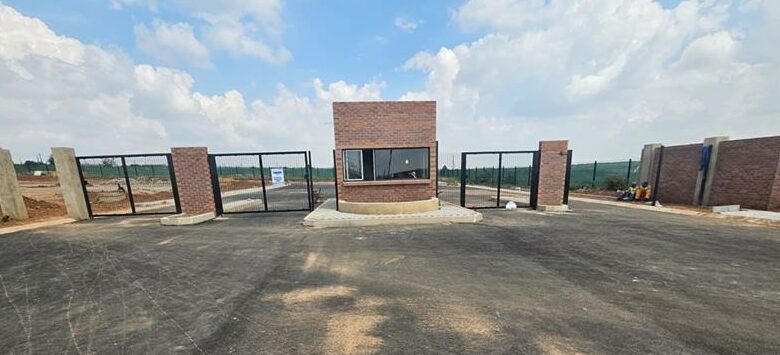
According to MCLM senior communications practitioner Tendani Shavani, the project is currently in its first phase. This involves building 12 workshops, with two already under construction, at a cost of more than R27 million. Later phases are expected to expand the development to include a truck repair facility, a minibus taxi rank, a filling station, training programmes, and office space.
She added that the municipality has already established two automotive hubs in Chamdor and Munsieville. These facilities provide structured spaces for vehicle maintenance, repairs and diagnostics, and are intended to support township-based mechanics and small businesses that often operate informally or with limited resources.
Construction of a third site, the Swaneville Industrial Hub, began in July 2025. The aim is to bring together automotive-related activities – including repairs, parts supply and potentially manufacturing support – in one location. Part of the plan includes formalising an existing informal truck repair operation currently based at the site.
Also read: OPINION: There is nothing to celebrate on Freedom Day
The hub is being developed at the corner of Cumberland and Kingfisher Streets, close to a shopping centre, with plans for a nearby taxi rank and filling station. This positioning is meant to improve access for both customers and workers, while linking industrial activity more closely with everyday community services.
In the longer term, the municipality envisions a larger, planned precinct that could include workshops, small business units, offices, and training facilities. The stated goal is to make it easier for small and medium-sized automotive businesses, especially those in townships, to operate sustainably and access broader economic opportunities.
While the initiative is positioned as a way to strengthen local participation in Gauteng’s automotive economy, its impact will likely depend on how effectively it supports existing informal operators, creates lasting jobs, and integrates with wider economic development efforts.