
Prostate cancer ‘most frequently diagnosed’ cancer in SA men
Prostate cancer is the number one cancer killer among South African men and shows almost no signs until it is too late. Getting a yearly blood test may just save your life.
Prostate cancer is the most frequently diagnosed cancer in South African men and your risk for prostate cancer increases as you get older.
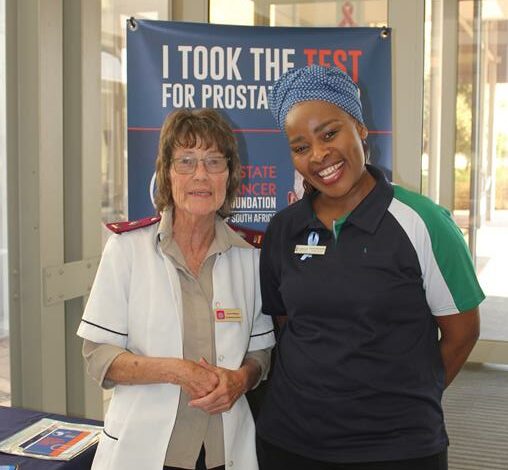
With this in mind, Netcare Pinehaven Hospital recently hosted an awareness campaign and free prostate screening for everyone who was interested.
Professional nurse Glynis Williams, who helped with the screening in late September, explained to the News that research shows black men are younger when they develop prostate cancer. With September being prostate cancer month, they wanted the emphasis to fall on prevention.
The Netcare Pinehaven Oncology department partnered with the prostate cancer foundation and various labs for the screening. If prostate cancer is detected early, it is highly treatable.
Dr Charles Mathye, a urologist at the hospital said, “The incidence rate has doubled in the last decade here in South Africa, where it is the second most common cause of cancer related deaths overall.”
The testing on the day was done via antigen tests, meaning a blood test for men in the risk group. This included men over the age of 45 and black men from the age of 40 with a family history of prostate or breast cancer in a parent, sibling or child.
Dr Nokwanda Zuma, a clinical oncologist who practices at the hospital said there are usually no symptoms in the early stages of prostate cancer. For this reason, a prostate-specific antigen (PSA) test can assist in detecting this cancer early, which can lead to early treatment and better outcomes.
Williams said that these types of testing need to be done yearly so that a baseline can be achieved and compared with yearly.
Getting your PSA results take less that 12 hours and even if you do not have a medical aid, a test can cost you under R300. Not too much to save your live.
Symptoms of prostate cancer include:
• More frequent urination.
• Weak or slow urination or dribbling.
• Burning urination.
• Blood in urine or semen.
• Difficulty in getting an erection.
• Painful ejaculation.
Pain or stiffness in the back, hips or thighs.
If prostate cancer spreads it may cause:
• Sudden unexplained weight loss.
• Bone pain in the lower back or pelvis.
• Loin pain and swelling of the lymph nodes.
• Constipation.