
Going back in time – 131 years of gentlemen socialising
KHA co-founder Jaco Mattheyse dives into the history of the town's oldest functioning pub, The Krugersdorp Club.
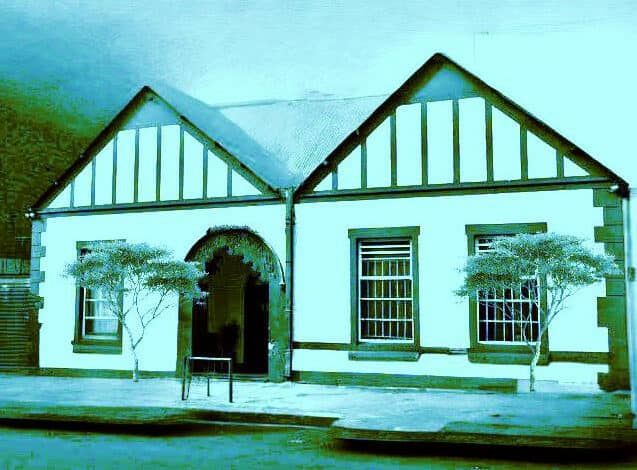
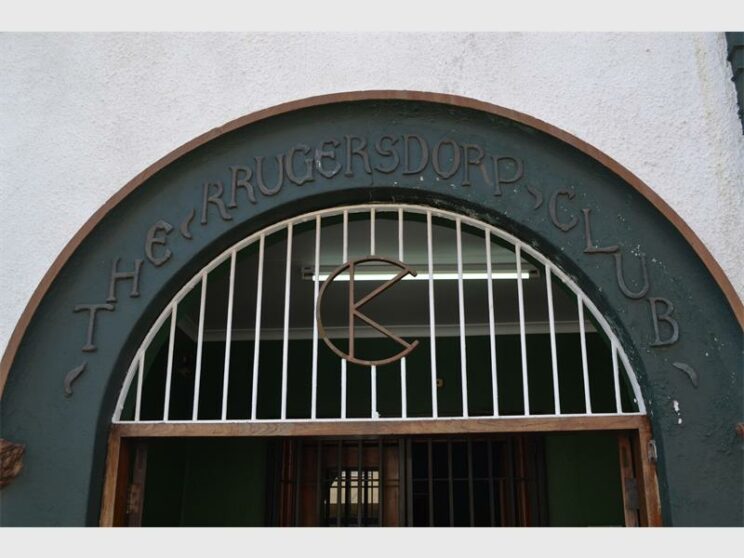
In the third edition of Echoes of Krugersdorp, which the Krugersdorp News partnered with the Krugersdorp Heritage Association (KHA), we will journey down memory lane to explore the history of Krugersdorp’s oldest pub, The Krugersdorp Club.
• Also read: Echoes of Krugersdorp: The old magistrate’s court
Background
Co-founder of the KHA, Jaco Mattheyse, said before we explore the history of The Krugersdorp Club, it’s important to understand the broader concept of gentlemen’s clubs as they existed in the late Victorian period.
“This type of establishment was by no means unique to Krugersdorp – it was a crucial amenity found in any self-respecting town, city, or metropolis throughout the English-speaking world. In the 19th century, family was considered one of the cornerstones of a man’s life. While a man’s home was his castle, often it wasn’t the refuge of comfort and privacy one might expect, especially for the elite. Their homes frequently hosted dinners, formal teas, and social events, making private life a public affair. Social obligations and the scrutiny of local newspapers kept many upper-class lives on constant display. For many men, gentlemen’s clubs offered an escape from these pressures,” he explained.
Jaco added that another factor was the way many men were raised in all-male environments such as schools and sports clubs, which made sharing personal space with women in adulthood unfamiliar or even uncomfortable. The club thus became a space for men to socialise freely, surrounded by peers.
“Men’s clubs were also hubs of information and gossip. These spaces encouraged communication and the sharing of news, which served not only to build social bonds but to establish one’s identity and reinforce class and gender roles. Gossip wasn’t just idle chatter – it was a tool for social climbing and networking, a means of showing discretion and influence. The clubs had their own unspoken [and sometimes formal] rules to regulate how such information was shared, ensuring privacy and trust among members,” he continued.
“A typical gentlemen’s club of the time would feature a formal dining room, a bar, a library, a billiards room, and various parlours for reading, gaming, or quiet conversation. Some clubs, such as the famed Rand Club, even included guest rooms and fitness facilities. Many hosted regular events like formal dinners or sporting activities,” Jaco further explained.
The founding of The Krugersdorp Club
Jaco explained that The Krugersdorp Club was founded in 1894 by two of the town’s most prominent doctors at the time: Dr Wouter van der Merwe and Dr Percy Stewart. Van der Merwe lived on the corner of Ockerse Street (then the town’s main thoroughfare) and Kruger Street. In his back garden, he planted a jacaranda tree, whose leafy shade became a favourite gathering spot for visitors, including none other than President Paul Kruger, a personal friend. That same tree still stands today behind the gates of the current club building.
Legend has it that one day, late in 1894, the two doctors decided to create a space where the town’s rising gentlemen could socialise and unwind – perhaps inspired by their daily ritual of enjoying sundowners after work,” he said.
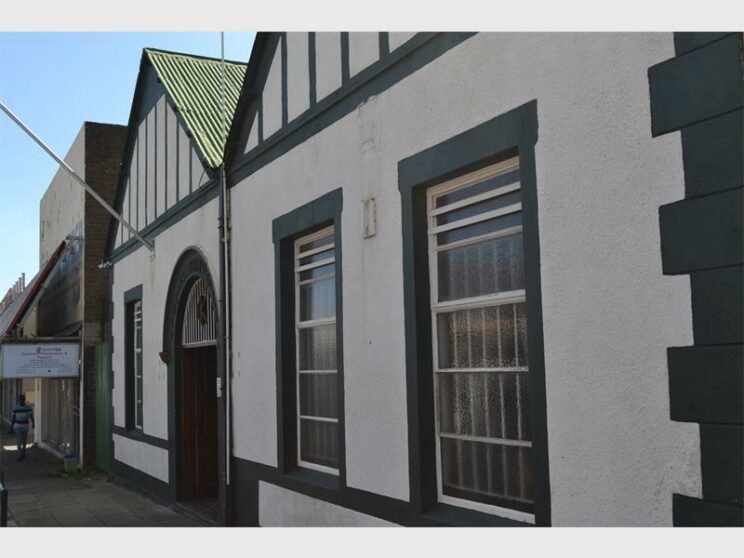
He noted that the current wood-and-iron building, dating from 1897, features many beautiful elements typical of late Victorian colonial architecture – pressed steel ceilings, wooden floors, fireplaces, and other original details.
A secret role in the South African War
Jaco said that during the Second South African War (1899–1902), the club became a favoured haunt of British officers stationed in the area. Despite the occupation, Van der Merwe maintained his daily visits to the club and became known to the soldiers. Unbeknownst to them, he gathered useful information, such as troop movements, and passed it along to local Boer contacts like ‘Vaal Martiens’ Pretorius, Gerrit van Blommenstein, and Mr Te Water.
“These men would then write coded messages, attach them to dogs’ collars, and send the animals out of town, where Boer commandos would intercept them. It’s a remarkable example of quiet resistance,” he stated.
A social hub through the ages
Jaco continued that following the war, The Krugersdorp Club flourished, and by 1910, it boasted over 400 members, with just as many names recorded in its visitor books. This figure far exceeded the likely size of the town’s middle class, suggesting that many working-class individuals, particularly miners, were also regulars.
“For instance, miners Hallowes and Thomas are listed among club visitors. While the club’s presidents and office bearers were typically middle-class professionals [notably local doctors such as Van der Merwe, Stewart, and Caldwell], many guests likely came from the respectable working class. Unfortunately, determining their occupations is difficult, as Krugersdorp’s church registers did not record such details as were common in Johannesburg. These insights were pieced together through comparisons between The Krugersdorp Club Visitors’ Book [1902–1912] and the Register of European Burials in Krugersdorp Cemetery [1904–1929],” he said.
He continued that browsing through these books today, one can’t help but feel a sense of awe at the well-known names and families who graced the club over the decades. On the sidewalk outside, one can still see the pole to tie your horse to before entering the club.
Still standing strong
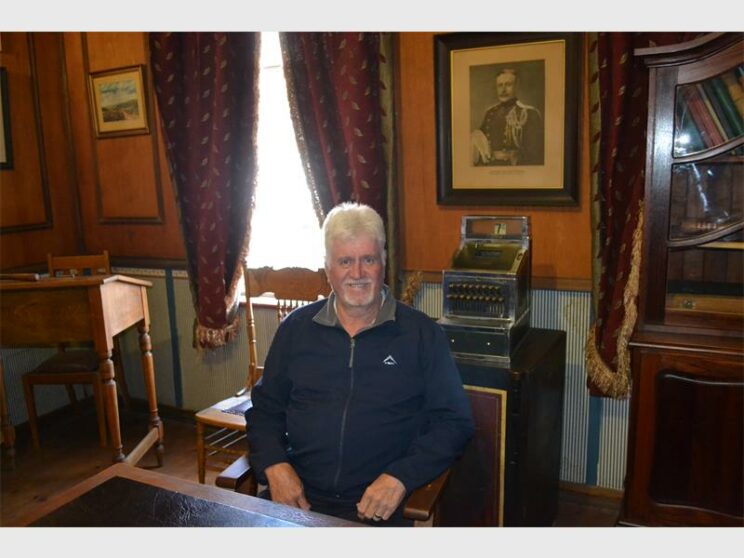
“Though changing lifestyles and modern habits have led to a decline in membership, The Krugersdorp Club still operates today. Visitors are welcome to enjoy its historic atmosphere, hearty pub-style meals, and cold refreshments – just as they have for the past 131 years,” Jaco concluded.