
A century of care: The storied history of Dr Yusuf Dadoo Hospital
Echoes of Krugersdorp: From its beginnings as Paardekraal Hospital to its modern role, Dr Yusuf Dadoo Hospital has remained a vital healthcare centre for 114 years.
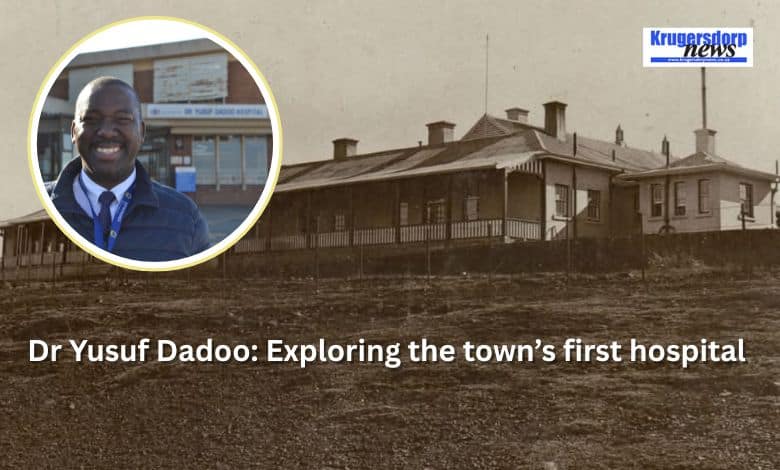
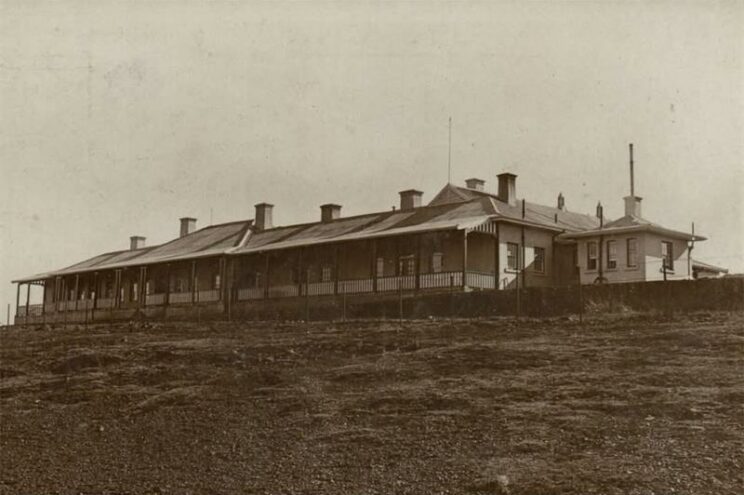
In the 11th edition of Echoes of Krugersdorp, produced in partnership with the Krugersdorp Heritage Association (KHA), we uncover the fascinating story of the town’s first hospital – Dr Yusuf Dadoo Hospital, originally known as Paardekraal Hospital – and how it laid the foundation for modern healthcare in Krugersdorp.
KHA co-founder Jaco Mattheyse explained as early as 1888, calls were made for a hospital in Krugersdorp after the most recent arrivals to the town were found to have contracted malaria. Petitions were planned, urging the government to allocate a portion of the native registration fees to aid in the erection of a small, temporary building to meet urgent cases.
While some mines, such as the Champ d’Or, employed their own doctors and even had their own lazaretto (a quarantine facility for infectious diseases), he said Krugersdorp was far less equipped.
• Also read: Echoes of Krugersdorp: Jan Lotz Sports Complex and its history
“At that time, only one private doctor, Dr. van der Merwe (Of the Krugersdorp Club fame), practised in the town. Over the years, more physicians joined, and by 1896, Dr. Adam was described as the sixth doctor serving Krugersdorp. A District Surgeon was appointed in 1889 under new sanitary regulations introduced for the town,” Jaco stated.
In response to growing pressure from the English-speaking middle class, Jaco explains that the Boer Republic granted Krugersdorp a rudimentary form of local government through the establishment of the Gezondheids-Comité (health committee). The town was divided into four sections, each electing one representative from among its adult men residents. A sanitary inspector was also appointed to improve public health and sanitation.
By 1895, the campaign for a hospital had gained further momentum.
“English-speaking residents continued to advocate for a proper facility, and a local Dutch newspaper highlighted the urgent need to care for those wounded during the skirmish between Republican forces and the Jameson Raiders near Krugersdorp – presumably on land belonging to the old Lancaster Mine, located south of town below the railway line to Johannesburg. This makeshift hospital was later reportedly repurposed as a tuberculosis sanatorium, remaining in use until the 1940s,” he continued.
He said after the South African War (Anglo-Boer War), local doctors and the district surgeon resumed their calls for a hospital. In 1903, the local newspaper threw its support behind the campaign for what was referred to as a ‘Cottage Hospital’. It was during this post-war period that the English-speaking middle class began reshaping Krugersdorp into a more livable and civilised town.
• Also read: Through war and worship: A church’s 135-year story
“Their efforts were not limited to healthcare. Campaigns were launched to bring piped water, electric streetlights, and properly surfaced (macadamised) roads to Krugersdorp. These changes were aimed at attracting investors and secondary industries to secure the town’s future. Simultaneously, they sought to make the town an attractive and permanent place for white working-class families to settle,” Jaco added.
He said the middle class also continued to reinforce community stability by supporting the construction of churches in key areas, where they added which complemented their broader social vision – creating a spiritually and civically anchored town.
Jaco added a letter dated May 21, 1902, from the Assistant Resident Magistrate highlighted the urgency, noting the district surgeon’s complaint that the absence of a hospital endangered patients who had to travel long distances to reach medical care elsewhere on the West Rand.
“In 1904, even a fundraising ball was held to raise money for the hospital. Though the hospital was only completed and opened in 1911, the extended campaign itself helped solidify community support and may have encouraged many white workers to commit more permanently to life in Krugersdorp. It was really only after the South African War that Krugersdorp’s middle class acquired the political influence necessary to establish a permanent and well-functioning town. Alongside churches, the push for piped water, proper roads, and electric lighting laid the foundations for a more stable and desirable environment.”
When the long-awaited hospital finally opened in 1911 (despite some sources suggesting construction began in 1920), Mattheyse said it was somewhat surprisingly not named after Queen Victoria or King Edward, and instead, it was simply called Paardekraal Hospital – a reflection of the growing post-war synthesis between English and Afrikaans-speaking communities.
“Dr Percy Stewart was appointed as the first superintendent and by 1936, Paardekraal was known as the Regional Hospital of the Western Transvaal. Later, a new, modern hospital building was constructed directly in front of the original structure, partly on land that contained the Krugersdorp Concentration Camp, obscuring it from public view. The old building was thereafter used to treat non-European patients.”
He continued that later additions to the hospital complex included residences for doctors and nurses, a swimming pool, and tennis courts – all now sadly derelict and decaying.
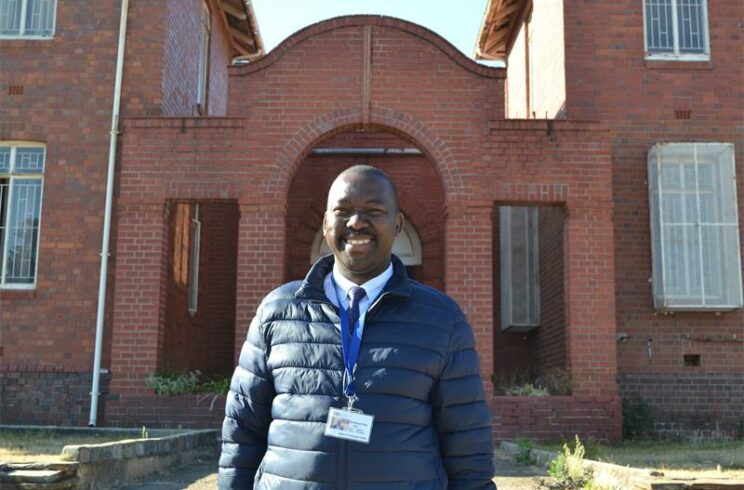
Following the democratic transition in 1994, the hospital was renamed Dr Yusuf Dadoo Hospital, in honour of the prominent anti-apartheid activist Yusuf Dadoo.
Remarkably, after more than 114 years, he said the hospital continues to serve the West Rand District, receiving referrals from surrounding clinics, and includes numerous services.
“The Dadoo family has a long and significant connection to the history of Krugersdorp, a subject that will be explored in a future edition,” he concluded.
If you’d like to be part of the Echoes of Krugersdorp series, please send your suggestions to the News via email at heinrichg@caxton.co.za.