
UP researcher examines physical development of Swaneville learners
School-based research by the University of Pretoria explores learners' fitness and movement at Thuthuzekani Primary School.
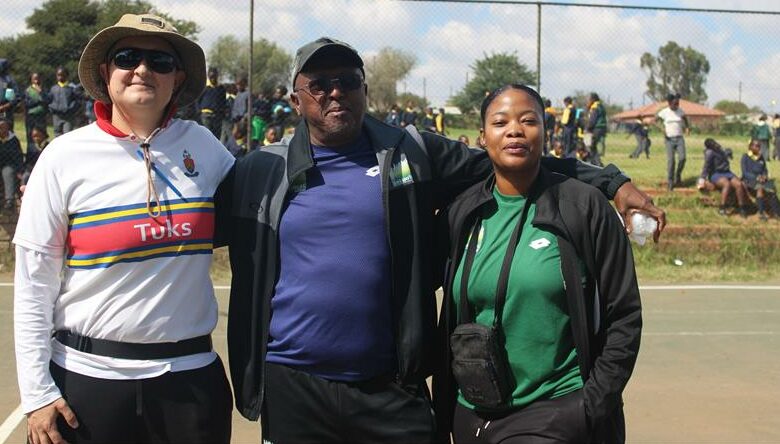
Excitement filled the sports fields of Thuthuzekani Primary School as Grade Four and Five learners took part in an interactive sports research project led by the University of Pretoria on May 4.
What seemed like a day of fun and games was actually part of a structured scientific study focused on understanding children’s physical development.
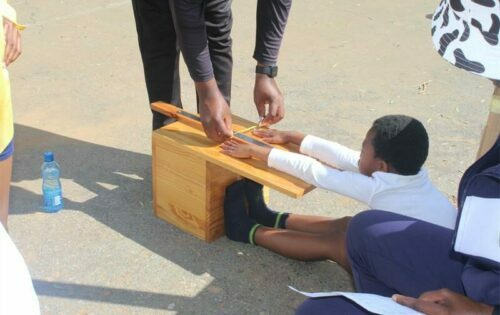
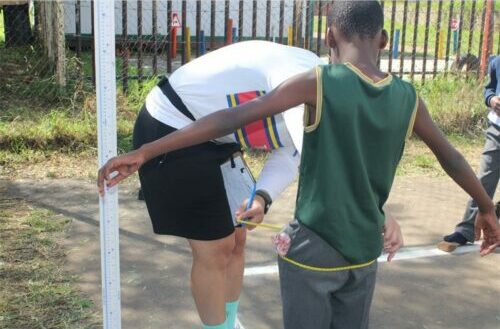
Learners moved eagerly between activity stations, laughing, competing, and encouraging one another as they completed different tasks. Each activity was carefully designed to assess key components of fitness, including co-ordination, balance, strength, agility, and endurance. Throughout the activities, researchers recorded performance times and observed movement patterns to ensure accurate and consistent data collection.
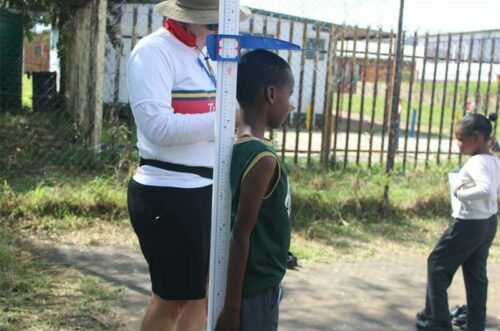
Lecturer and PhD researcher Janine Botha explained that the goal of this research is to better understand children’s physical development and fitness within a school environment.
“It’s to contribute to more effective, evidence-based ways of supporting their growth and well-being,” she said.
Also read: Back to basics: How to start exercising again when you’ve been out of the game
Unlike traditional fitness tests, the study focused on multiple aspects of movement, giving researchers a more complete understanding of each learner’s physical abilities. Standardised, evidence-based methods were used by a trained team to ensure fairness and reliability. Safety remained a top priority throughout the process, with all activities being age-appropriate and closely supervised.
She added that although the research was not aimed at identifying future athletes, it highlighted individual strengths among learners. Its primary focus was promoting overall health and development in children.
“In communities like Swaneville, where access to structured sports programmes may be limited, such research plays an important role in supporting learners’ physical well-being. It also provides valuable insights into how schools can better integrate physical activity into learning,” she said.
She further added that the findings will contribute to academic research and may help shape future physical education practices.
“More detailed methodological information will be shared once the study is completed and the findings have been formally published. While individual results will remain confidential, group findings will be shared through peer-reviewed publications to benefit schools and the broader community.”
The project demonstrates how research and learning can work together, turning play into meaningful insight while promoting children’s health. It highlights a practical approach for schools to support well-rounded, active learners.