
Swaneville Massacre: Community unites for peace and remembrance
Swaneville residents came together to honour the victims of the 1991 massacre during a community event centred on healing and preserving local history.
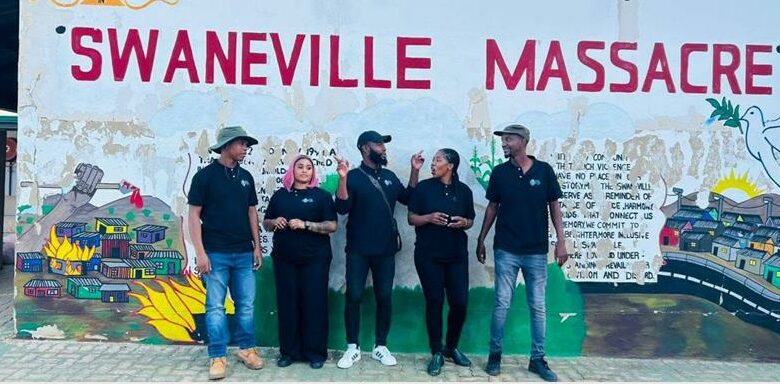
Residents of Swaneville gathered on May 16 to commemorate the victims of the Swaneville Massacre, one of the community’s darkest tragedies.
The remembrance event brought together survivors, victims’ families, community leaders, young people, and other stakeholders to honour the 28 people who lost their lives and the 37 others injured during the violence on May 12, 1991.
Related article: Swaneville massacre not in SA history books
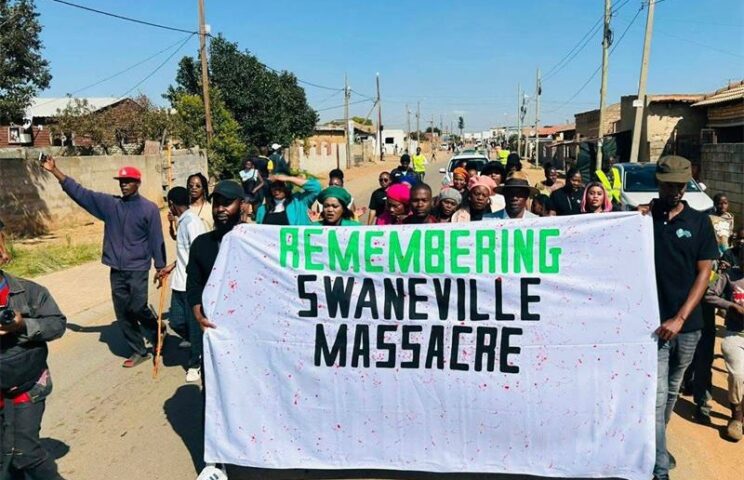
Held under the theme of unity, peace and remembrance, the programme, hosted by the Civil and Progressive Alliance, began at Lusaka Hall. Community members then marched to the memorial stone, believed to mark the site of the massacre. The march symbolised solidarity and paid tribute to those who died.
Stakeholders later addressed the gathering through reflective discussions on the history and impact of the massacre. Speakers stressed the importance of peace, dialogue, reconciliation, and community unity in preventing future violence.
Artistic performances also formed part of the programme, with music, poetry, and cultural expression promoting healing, social cohesion, and hope within the community.
The massacre occurred during a period of intense political unrest before democracy in South Africa. Residents believe the violence involved men associated with Inkatha hostels, particularly Hostel 1, following allegations that two Inkatha members had been abducted by members of the Swaneville community. The tragedy remains one of the darkest chapters in the area’s history.
Speaking during the commemoration, Xolani Sabela said the event was important to ensure the history of the massacre is not forgotten by future generations.
“Political violence destroyed families, divided communities, and robbed innocent people of their lives. We believe the Swaneville Massacre must never be forgotten because history teaches us the importance of peace, dialogue, and unity. Young people must know where their community comes from so that they can build a future free from violence and hatred,” said Sabela.
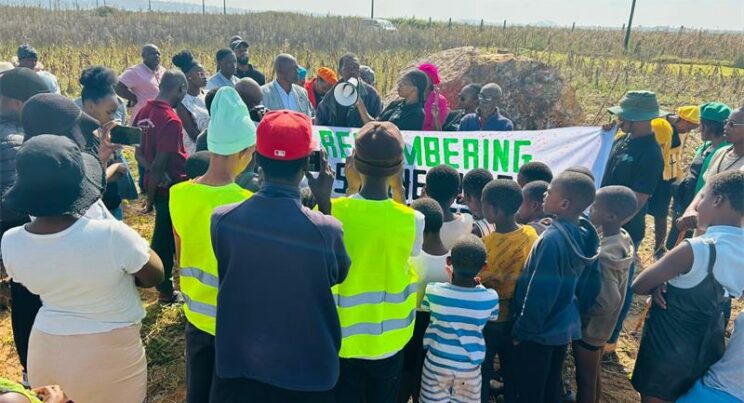
He also emphasised the need for continued memorial projects within the community, including the erection of memorial structures, annual commemorations, the publication of a book about the massacre, and plans to establish a museum dedicated to preserving Swaneville’s history.
Community members also highlighted the importance of teaching local history to younger generations. Many residents believe tragedies such as the Swaneville Massacre should form part of South African history education to help learners understand the consequences of political violence and the importance of national unity.
The annual remembrance event has become a symbol of resilience, healing, and hope for the people of Swaneville. Through remembrance, education, and dialogue, residents hope to preserve the memory of those who died while continuing to promote peace, reconciliation, and unity within the community.