
Mental healthcare: How involuntary psychiatric admissions work in Gauteng
Families seeking help for relatives who may require involuntary psychiatric care must first approach a district or regional hospital, according to the Gauteng Department of Health.
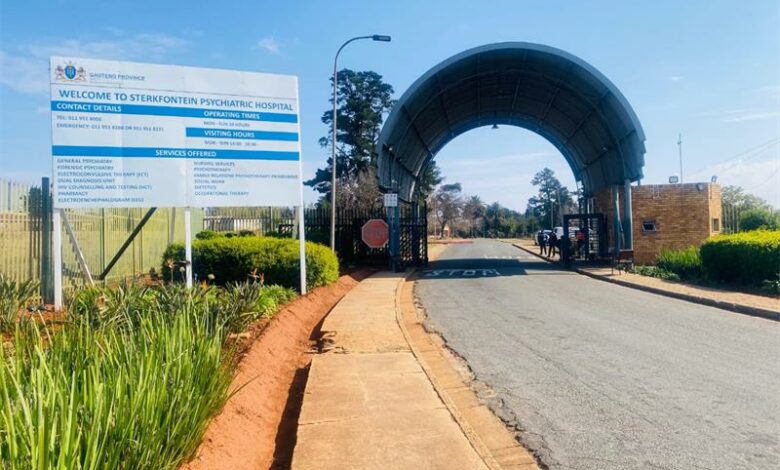
Residents who need assistance with involuntary psychiatric admissions are encouraged to first seek help at their nearest district or regional hospital, according to the Gauteng Department of Health.
The department recently clarified the process following enquiries from members of the public about how patients are admitted to facilities such as Sterkfontein Psychiatric Hospital.
According to department spokesperson Steve Mabona, patients cannot generally be admitted directly to Sterkfontein. Instead, individuals who may require involuntary mental healthcare must first undergo assessment at another healthcare facility.
Assessment and observation
Mabona explained that patients requiring involuntary mental healthcare are initially assessed at district or regional hospitals, where they undergo a mandatory 72-hour observation and assessment period in terms of the Mental Health Care Act.
The assessment allows healthcare professionals to determine the patient’s condition and the level of care required.
• Also read: ‘When fathers stay, children thrive’
Referral for specialised care
Patients who require specialised inpatient psychiatric treatment after the observation period may then be referred to Sterkfontein.
Upon admission, patients undergo a comprehensive evaluation by a multidisciplinary team that includes psychiatrists, psychologists, occupational therapists, social workers and nursing staff.
“The team confirms the diagnosis, develops an appropriate treatment plan and manages any co-existing medical conditions,” said Mabona.
He added that patients’ progress and response to treatment are reviewed regularly.
Psychological support, including counselling and psychoeducation where appropriate, is also provided to help patients and their families better understand the illness, treatment and recovery process.
Mabona said social workers play an important role in assessing patients’ social and family circumstances and assisting with matters such as social grant applications, identity documentation, placement options and discharge planning.
• Also read: Trauma centre opening to tackle GBV and men’s mental health in Mogale
Discharge and ongoing care
Once treatment and clinical reviews have been completed, patients may be discharged into the care of their families with the necessary follow-up support.
Patients may also be transferred to healthcare facilities closer to their homes to continue receiving treatment and support.
“Where clinically necessary, patients may continue receiving involuntary inpatient care in accordance with the provisions of the Mental Health Care Act,” Mabona explained.
He added that most district and regional hospitals in Gauteng have psychiatric units that provide ongoing mental healthcare services, allowing patients to access treatment closer to their communities and supporting their reintegration into society.
Mabona encouraged residents who require guidance on accessing mental healthcare services to contact their nearest healthcare facility for assistance.