ZZ2 TOMATOES: No Tuta threats at the moment
ZZ2 is aware of the moth but they are not threatened by it.
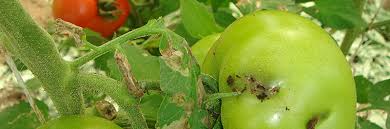
This pest belongs to the Lepidoptera, meaning it is family of the moths and butterflies, said Jaco de Bruyn Head Agronomist of tomatoes at ZZ2.
No thread. It belongs to the family Gelechidae and worldwide there is about 5000 species. It is however not the first Gelechidae in RSA. The Potato Tuber Moth, Phthorimaea operculella is known well in South Africa and it is being controlled very successfully by integrated pest management principles on tomatoes and potatoes,’ De Bruyn said

The pest was reported in Spain in 2006 and in Italy 2008 and has since then moved to other moderate climate areas like the Middle East, Turkey and down in Africa.
‘The Gelechidae are also referred to as micro-Lepidoptera referring to their small size. The wingspan of Tuta sp. moths is 15-20 mm. the larvae is also quite small with a greenish tint throughout development and a variable intensity of pink on the back.’
Regarding the question if ZZ2 is aware of the moth.
“Yes, we are aware it was found in Mpumalanga. Are we threatened by it? The answer is no. There is no need to reinvent the wheel. Tomato producers in the northern hemisphere have been controlling it over the last six to seven years using various IPM techniques quite successfully.” he said
Good IPM integrated pest management; (IPM) a principles to control any pest relies on the following factors: Cultural control: this may include using trap crops or even as simple as removing unwanted weeds like Datura sp, nightshade. Recycling of old tomato fields can also lower the chance of the pest spreading to new plantings.
Physical control: this includes using oil or water traps to catch adults. Part of this is also using behavioural control methods which include Pheromones to attract and catch/kill male moths.
Biological control: which may include the use of natural enemies like Mirid bugs, Nesidiocoris tenuis – a good larval predator. It also can be found in natural areas around fields or it could be bought from suppliers of biological insects.
Chemical control: Farmers can visit the IRAC (Insecticide resistance action committee) website (www.irac-online.com). There is sufficient advice on the chemicals that can be used by their Mode of Action (MOA) to help and control the pest.
Using these IPM principles we at ZZ2 are going to address the problem when it arises, De Bruyn said