Poisoning of wild animals a cause for concern
Recently, Moholoholo Wildlife Rehabilitation Centre issued a statement warning and making the public aware of the poisoning of wildlife animals and the dangers it poses.
The poisoning of wild animals through-out Africa is becoming an extremely serious problem.
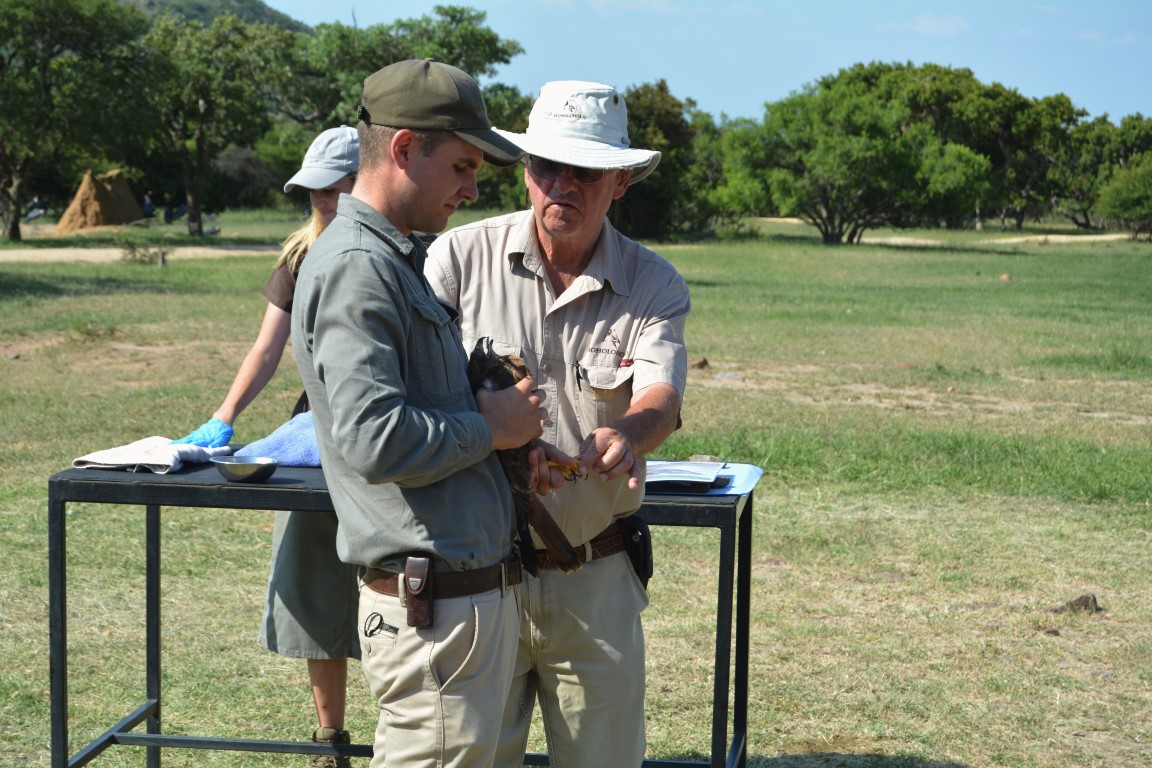
Last week, Moholoholo’s rehabilitation team, received an urgent call from a northern Limpopo reserve asking if they could help out at a horrific scene of a dead lioness, leopard and about 54 vultures and an eagle poisoned. More than half were dead but some were still alive.
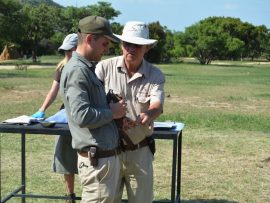
Three ladies from Moholololo’s clinic were sent to the scene immediately, which was approximately 260km away, going through tribal land.
ALSO READ: KNP: Baboon troop steal and adopt lion cub
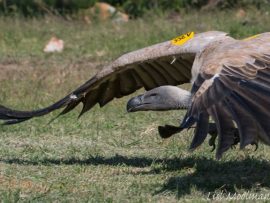
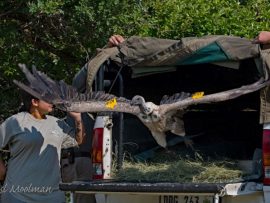
“They arrived at about 17:00 and immediately started treatment by tubing. Six Lappet Faced vultures succumbed to the poisoning. Another three were already dead on arrival and one died a little later. One Cape vulture, one White Headed vulture, one Tawny eagle and about 19 White Backed vultures were just barely alive, some unable to even open their eyes.”
Sadly the leopard was dead and the lioness butchered, only leaving some remains. It is suspected that her two cubs were taken with the remains of the lioness.
They returned to Maholoholo after finishing around 02:00. For the following three days the staff worked through the day and night treating each victim accordingly.
“Four White Backed vultures had relapsed – however the following day all were standing and starting to eat. Unfortunately three White Backed vultures, the Cape vulture and the White Headed were still very weak, so the balance had been put into an exercise enclosure with hopes that they would be released soon.”
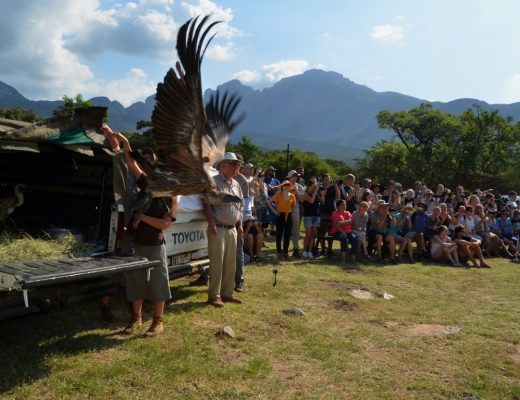
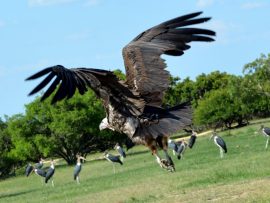
“At Moholoholo we have a vulture restaurant where we put out scraps from the rehab and we have been monitoring many species that visit each day for more than fifteen years.”
These statistics are said to be shared with the Endangered Wildlife Trust (EWT). In the past they would count between 300 – 400 vultures on a single day that came to feed.
Recently, they counted four vultures that came in whereas on average about 25 used to come in every day. They have also noticed that there are no more Lappet Faced or White Headed vultures coming in.
ALSO READ: Foot-and-mouth disease affects industry
“This is incredibly sad! Vultures breed generally at the age of at least six-years-old and only lay one egg at a time, so how does one recover from these massive losses?”
It is said that in Zimbabwe over 50 vultures were also found dead after being poisoned this past week.
“These would be the same vultures that visit South Africa as well. It is thought that over 1000 vultures were poisoned last year and that is only what the Moholoholo team is aware of.”
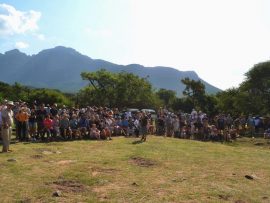
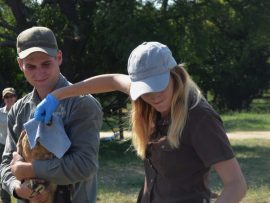
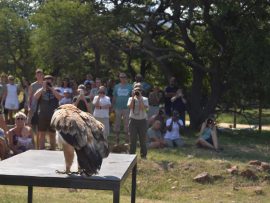
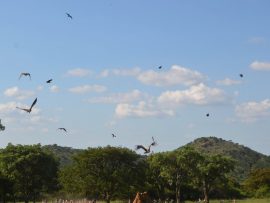
See gallery below:
Pictures supplied.