Foskor launches agricultural training programme
Foskor partners with AgriColleges to deliver accredited agricultural education for aspiring farmers in Phalaborwa’s disadvantaged communities.
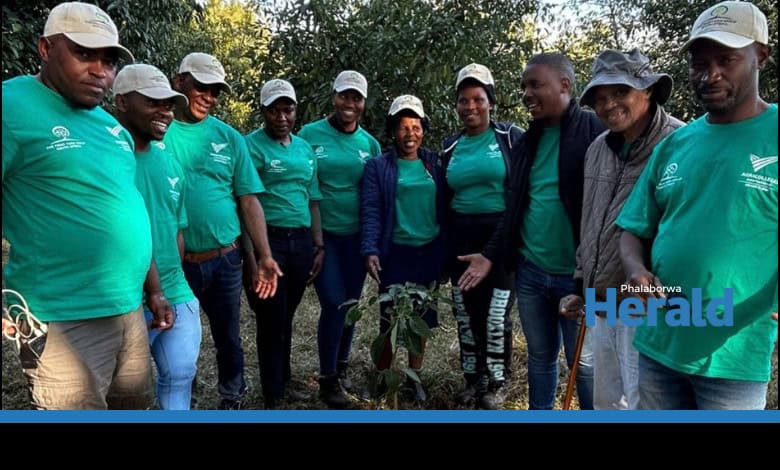
PHALABORWA – Foskor, a global leader in phosphate-based fertilisers, has launched a new initiative to strengthen agricultural education in South Africa.
The programme, Creating Champions in the Phalaborwa Community, welcomed its first cohort of students this year and is designed to empower residents of the Ba-Phalaborwa municipal area through accredited agricultural training and community development.
Drawing applicants from eight historically disadvantaged communities near Foskor’s mining operations, the initiative forms part of a broader agricultural community champions programme.
“As a vital provider to the agricultural community, we understand the importance of access to accredited agricultural education,” said Foskor CEO Julian Pallium. “This programme is for aspiring commercial farmers, small-scale farmers, entrepreneurs, and community garden groups.”
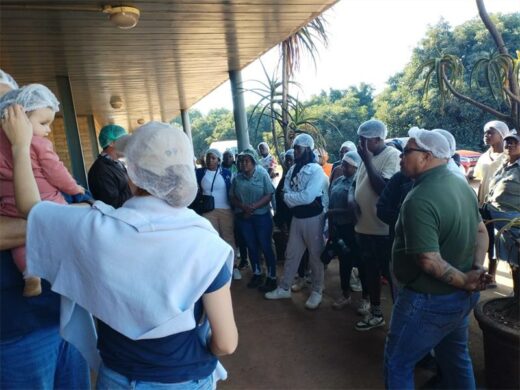
Aligned with the UN’s top Sustainable Development Goals, ending poverty and hunger, the project focuses on equipping people with practical skills to promote food security.
“Too many South Africans still go to bed hungry,” Pallium said. “Education is the most powerful lever we can pull to address food insecurity in a lasting way.”
Recent statistics highlight the urgency. According to the 2025 General Household Survey, 63.5% of households experience food insecurity, affecting more than 20 million people. Of these, 19.7% face moderate to severe hunger, and 8% severe hunger. Child malnutrition remains widespread, with 29% of children under five affected by stunting.
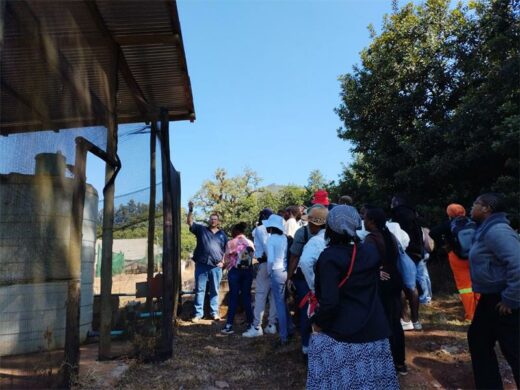
To deliver its vision, Foskor has partnered with AgriColleges International, a modern e-learning institution offering AgriSeta-accredited courses via smartphones, tablets, or computers.
Programmes range from agribusiness basics to crop cultivation, pig farming, aquaponics, chicken farming, and national certificates in agriculture, plant production, animal production, and cannabis and hemp production.
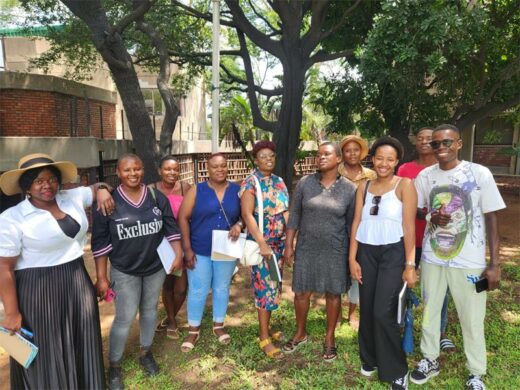
The inaugural intake attracted 453 applications from individuals aged 18 and older with at least a Gr 10 qualification. From these, 62 candidates were shortlisted, and 34 (41 women and 21 men) were selected to begin the 2025 programme.
Participants receive agricultural training alongside courses in life skills, financial literacy, and agribusiness, tools aimed at fostering both employability and local economic growth. They also benefit from a monthly stipend.