Premier Ramathuba slams state of GNT bus fleet
Premier Ramathuba calls for urgent action after inspecting broken-down GNT buses, with only 24 operational in Limpopo.

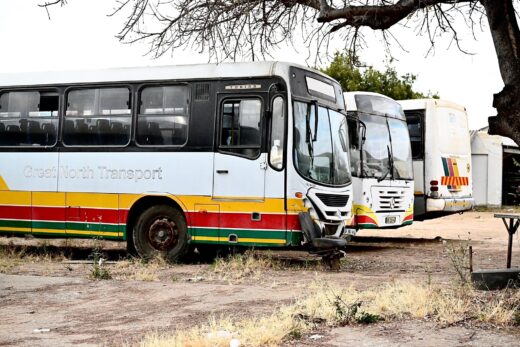
LIMPOPO – Limpopo Premier Dr Phophi Ramathuba was visibly disappointed as she walked about the rows of broken-down buses at the Great North Transport (GNT) Depot in Polokwane last week, many of which have been parked for extended periods without maintenance.
This follows a high-level meeting over serious concerns about the deteriorating condition of the province’s public transport infrastructure.
Accompanied by Economic Development, Environment and Tourism (Ledet) MEC Tshitereke Matibe and other high-ranking officials, the visit revealed a dire situation, with numerous buses in a state of severe disrepair, with visible signs of decay and neglect.
According to officials, only 24 buses are currently operational across the province. “This situation is deeply troubling. Our people rely on GNT every day to get to work, school, hospitals, and other essential services,” said Ramathuba.
According to the GNT website, gntpassenger.co.za, GNT operates a fleet of 540 buses and transports more than 37 million passengers per year.
“We cannot sit back and watch a key public service collapse under our watch. As a government, we must find lasting and workable solutions to restore GNT to its former state and ensure that it continues to serve the people of Limpopo.”
She said she acknowledged the challenges faced by GNT, but liquidation is not an option. “Government must come together to urgently craft a turnaround strategy that will focus on rehabilitation, maintenance, and sustainable operations,” she said.
Ramathuba also called on relevant departments to urgently engage in a comprehensive review of the operations, funding models, and service delivery capacity of GNT.
She highlighted the need for public-private partnerships and innovative financing mechanisms to bring the bus service back on track.
Matibe echoed the Premier’s concerns. “This is not just about buses; it is about economic access and social mobility. Reliable public transport helps our communities thrive. We need a collective effort to resolve this crisis,” said Matibe.