Flooding raises malaria risk in Limpopo
Despite earlier claims of no recorded malaria cases in Limpopo, the Department of Health now warns of an increased risk as flood waters stagnate.
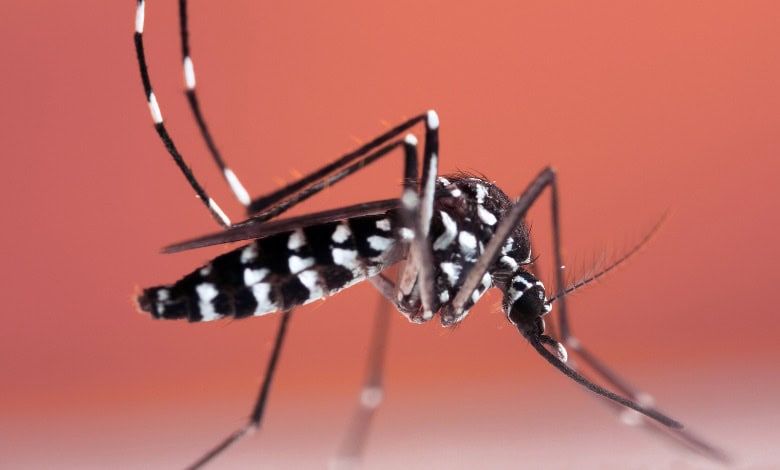
LIMPOPO – Concerns about a possible rise in malaria cases have emerged following recent flooding across Limpopo, with standing water creating favourable breeding conditions for malaria-carrying mosquitoes, particularly in areas around Phalaborwa.
An online poster circulating in recent days warned residents that floodwaters had increased the risk of malaria transmission. A health official told the Herald that four malaria patients were recently admitted to Maphuta Malatji Hospital in Namakgale and have since been discharged.
Health department issues official warning
While earlier queries to provincial health authorities yielded no confirmation of recorded cases, the Limpopo Department of Health has since issued an official statement confirming that the province is currently facing an elevated malaria risk following persistent heavy rains and flooding.
According to department spokesperson Neil Shikwambana, flooding has disrupted key malaria prevention efforts, particularly Indoor Residual Spraying (IRS), which began in November 2025 and is scheduled to continue until March 2026. The programme targets 1.1 million households, but continuous rainfall has significantly affected operations.
“To date, IRS coverage stands at 48%, well below the expected 70% at this stage, with approximately 30% of planned spraying days lost due to rain,” says Shikwambana.
Possible rise in cases expected
Although weekly malaria cases have remained stable at between 17 and 36 cases per week, health officials anticipate a possible increase towards late February as floodwaters recede and stagnant pools suitable for mosquito breeding form.
Two malaria-related deaths have been reported since the rains subsided.
Seek early treatment
Health professionals advise residents to seek immediate medical attention if they experience symptoms such as fever, headaches, chills, nausea, diarrhoea, or muscle and joint pain.
Malaria is preventable and fully treatable if detected early.