Limpopo ditches low-lying bridges
After the floods, Limpopo will prioritise stronger bridges and resilient infrastructure by phasing out low-lying bridges, says Premier Ramathuba.
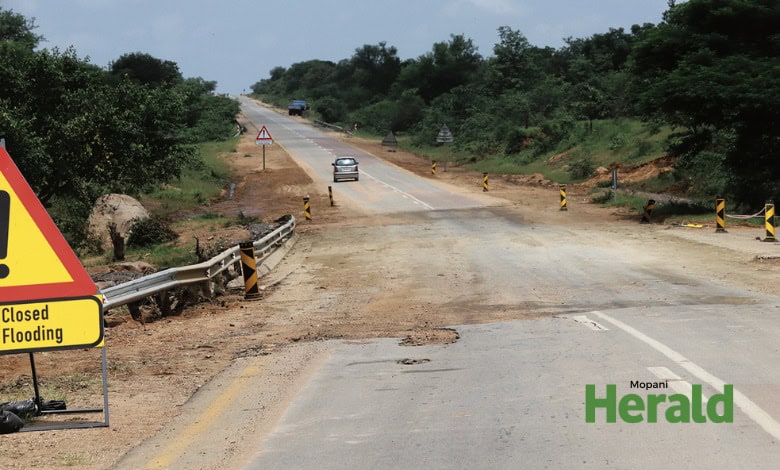
LIMPOPO – Limpopo Premier Dr Phophi Ramathuba says the provincial government is planning to phase out low-lying bridges as it rebuilds roads and other infrastructure destroyed by recent floods in the province, noting that the damage caused by heavy rains has provided important lessons for the government.
The premier made the remarks while at Mphakane village in Giyani on Friday, where she attended the handover of food parcels donated to flood and storm victims by Kaizer Chiefs Football Club in partnership with Masingita Mall.
The visit formed part of the government’s ongoing engagement with affected communities and efforts to assess the extent of flood damage.
Lessons from recent floods
Ramathuba said many of the roads and bridges damaged during the floods were vulnerable because they had been built too low, causing them to be quickly submerged and cutting off transport links needed by communities to access emergency services during periods of heavy rainfall.
She said the province would now prioritise stronger and more resilient infrastructure capable of withstanding extreme weather conditions.
“We have learned our lessons from the recent floods,” Ramathuba said. “We are definitely moving away from low-lying bridges because they are vulnerable and easily washed away when rivers overflow. Going forward, we are going to build bridges that will remain standing even when it rains heavily or when floods occur.”
Premier responds to RDP criticism
The premier also addressed criticism often directed at government-built houses, particularly RDP homes, saying the recent floods had demonstrated that state-built structures were stronger than many people believed.
“We often hear people saying government houses are poor, but what is not being told is that when the floods hit Mbaula village and swept away many houses, two RDP houses remained standing,” she said.
She added that the same principle would be applied to infrastructure reconstruction projects currently being planned for flood-affected areas.
“The bridges that we are going to build as we fix flood-damaged roads will be strong. No more low-lying bridges. We have learned from our mistakes, and we are moving forward with a proper rebuild,” she emphasised.