Limpopo community pays tribute to Hosi N’wamitwa II
Tributes have poured in for Hosi Tinyiko Shiluvana N’wamitwa II, the senior traditional leader of the N’wamitwa people, who passed away from an illness.
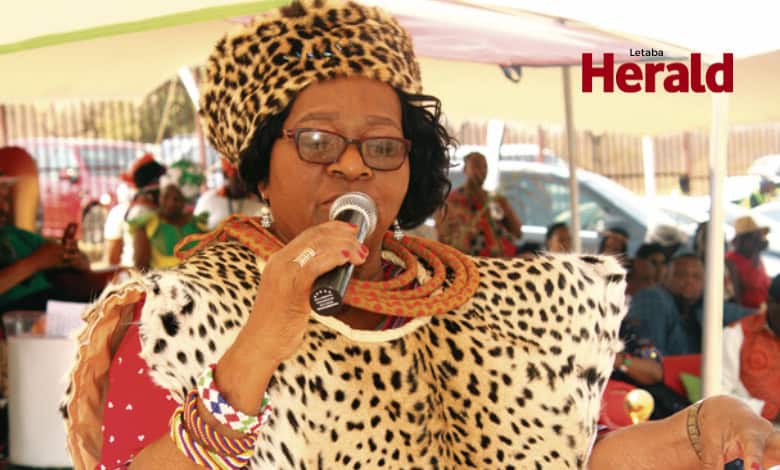
TZANEEN – Tributes have poured in from the Shiluvana family, the N’wamitwa community, and the Vatsonga people following the untimely passing of Hosi Tinyiko Shiluvana N’wamitwa II.
The senior traditional leader of the N’wamitwa people, based outside Tzaneen, passed away on Monday, February 9, after a short illness at a hospital in Gauteng.
Hosi N’wamitwa II was widely regarded as a community builder and a strong advocate for women’s empowerment and education.
Deputy President Paul Mashatile, who shared a close working relationship with the chief, paid tribute to her in a Facebook post on Tuesday. “We will forever remember her regal grace and demeanour, her dignity, and the innate wisdom with which she led her people and society at large. May her soul rest in eternal peace,” he wrote.
Limpopo Premier Dr Phophi Ramathuba described the late chief as a trailblazer who broke long-standing cultural and societal barriers, paving the way for women in traditional leadership.
“We have lost a giant of our time, an activist and a fearless leader who shattered the shackles of patriarchal oppression by claiming her rightful place as heir to the Valoyi royal throne. Hosi Dr N’wamitwa II was a steadfast advocate for women’s rights and a powerful voice against gender-based violence and femicide,” said Ramathuba.
Member of the N’wamitwa Royal Council and the chief’s praise singer, Case Ngobeni, told the Herald that her passing has left a deep void in both the community and the broader Vatsonga nation.
“She was a loving mother, grandmother, and a great leader to her people,” he said.
Each year, Hosi N’wamitwa II hosted the annual N’wamitwa Day celebrations, usually held in September, to mark the achievements of her nation. Over the years, the event attracted representatives from various royal houses and kingdoms, as well as presidents and ministers. Traditional songs, dances, and food formed a central part of the celebrations.