Hoedspruit baby pangolin photo named global finalist
Lance van de Vyver’s image of a rescued baby pangolin is a People’s Choice finalist in the 2026 Wildlife Photographer of the Year Awards.
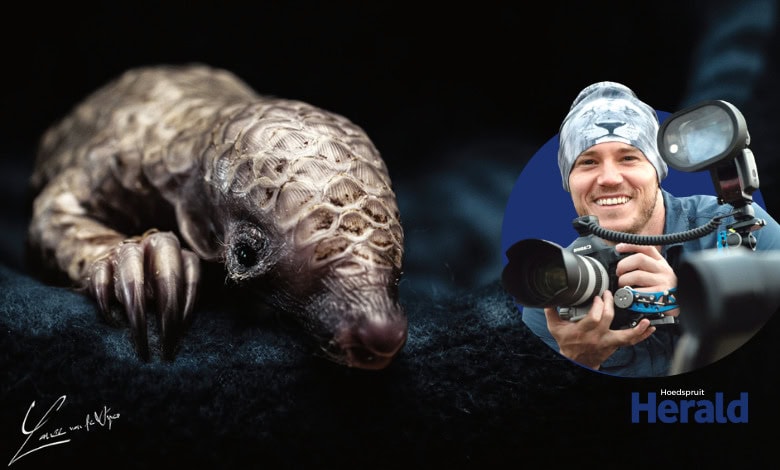
HOEDSPRUIT – A tiny pangolin, fragile and vulnerable, has captured the hearts of wildlife lovers worldwide, thanks to Hoedspruit-based wildlife photographer Lance van de Vyver.
His photo has been selected as a People’s Choice finalist in the 2026 Wildlife Photographer of the Year Awards, a recognition he says is “humbling, overwhelming, and deeply shared”.
Van de Vyver, who runs Panthera Photo Safaris with his wife Kirstin, has been captivated by wildlife since childhood.
“I grew up in New Zealand, and from the age of two I was glued to David Attenborough documentaries,” he recalls. “Visiting South Africa every few years, I fell in love with Kruger National Park. After studying, I returned to South Africa to become a guide and bring photographers to some of the world’s most incredible wildlife locations.”
For Van de Vyver, wildlife photography is more than an art; it’s a conservation tool.
“In South Africa, conservation relies heavily on public support, awareness, and tourism,” he says. “A single image can create empathy far quicker than statistics ever will. That emotional connection often sparks people to care and take action.”
The pangolin in his photo was born prematurely after its mother was captured by poachers and fatally injured. The baby was hand-raised in a rehabilitation centre, where Van de Vyver captured its delicate, tiny form.
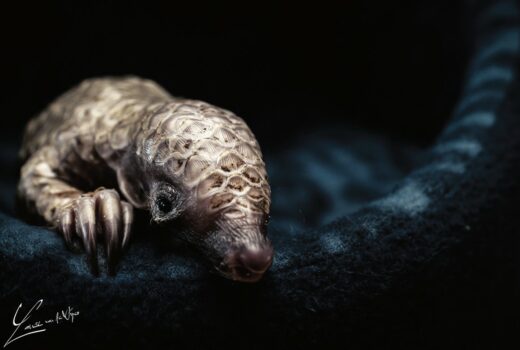
> Photo: Lance van de Vyver
“Very few people get to see a pangolin, let alone one this young. It was a bittersweet moment, beautiful, fragile, and heartbreaking,” he says.
Pangolins, often described as the world’s most trafficked mammals, are targeted for their meat and scales, believed to have magical properties. Their natural defense, curling into a ball, offers no protection from humans.
“Seeing the effort required to save a single animal makes conservation deeply personal,” Van de Vyver says. “Not every story has a happy ending. Conservation isn’t just about species; it’s about people and long-term commitment.”
Key to these efforts are local organisations such as Save Our Wildlife Fund, Umoya Khulula Wildlife Centre, and Hoedspruit Animal Hospital ProVet. “Without them, pangolin conservation in this region wouldn’t be possible,” he says.
Looking ahead, he and Kirstin have launched a non-profit, Save Our Wildlife Fund, providing emergency support for wildlife veterinarian teams, rehabilitation centres, and anti-poaching operations. A Patreon page has been created for contributions that go directly to conservation.
“Every pangolin, every animal, is worth protecting,” Van de Vyver says. “They’re ancient, gentle, and vital to ecosystems. Seeing them thrive in the wild makes all the effort worthwhile.”