5 Waterberg baobabs rescued after suspected illegal removal
The trees, discovered in Durban before a planned export, may soon be given a new home in the Timbavati Nature Reserve.
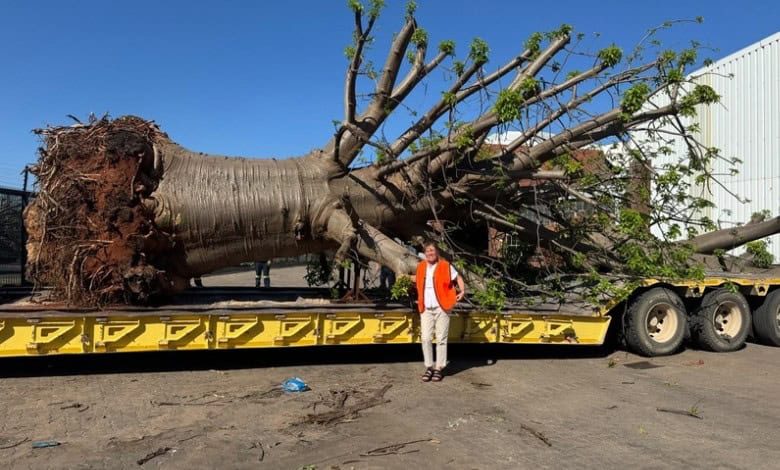
LIMPOPO – Five baobab trees removed from the Waterberg region of Limpopo and later found in Durban could soon be relocated to the Timbavati Nature Reserve.
The trees have been at the centre of an investigation into their removal from their natural environment and an attempted export. The circumstances surrounding their removal remain under investigation by the relevant authorities.
Baobabs await new home after removal controversy
The Timbavati said it hopes to receive the trees within the next few weeks, subject to the necessary permits being issued and transport arrangements being finalised.
Moving the large trees will require specialised transport and careful handling, particularly after they have spent time out of the ground.
Timbavati warden Edwin Pierce said the reserve wanted to assist in giving the baobabs a chance to recover in a protected environment.
“Conservation is about so much more than just the animals. Our indigenous trees and plants are equally deserving of protection,” said Pierce.
He said the relocation would not be without challenges, but the reserve hoped the trees could eventually become part of the landscape for future generations.
“These trees have already been through an extraordinary ordeal, and while we appreciate that there are challenges ahead, the thought of giving them the opportunity to recover and hopefully continue growing for hundreds of years within a protected natural environment is something quite special.”
The Timbavati conservation team will help identify suitable planting locations and monitor the trees after relocation. The reserve cautioned that their survival cannot be guaranteed due to the stress they have already experienced.
Protecting more than just wildlife
African baobabs (Adansonia digitata) are among the continent’s most recognisable trees and can live for thousands of years. They play an important ecological role by providing food and shelter for various species.
Pierce said the relocation represented a broader responsibility to protect natural heritage.
“We cannot spend our lives advocating for the protection of our wildlife while overlooking the exploitation of the very vegetation and ecosystems that support them.”
The Timbavati said the relocation is being supported by several individuals and organisations, including Dr Sarah Venter and the Baobab Foundation, who have been involved in efforts to secure a future for the trees.