5 baobabs finally planted at new home in Timbavati
The relocation of five Limpopo baobabs involved a massive logistical operation spanning more than 900km across South Africa.
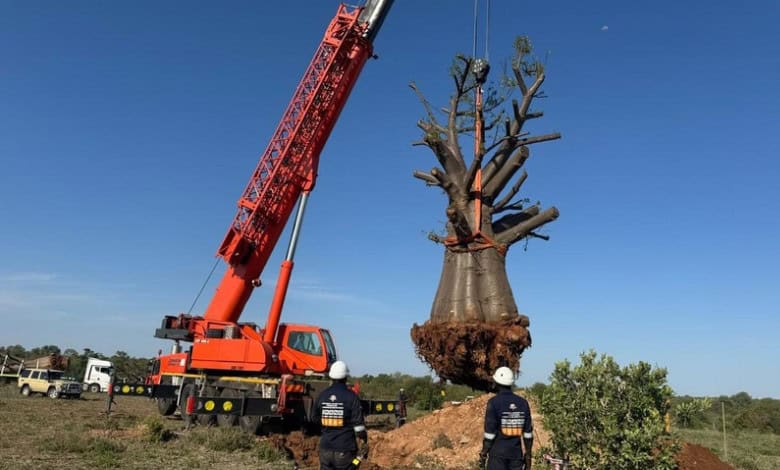
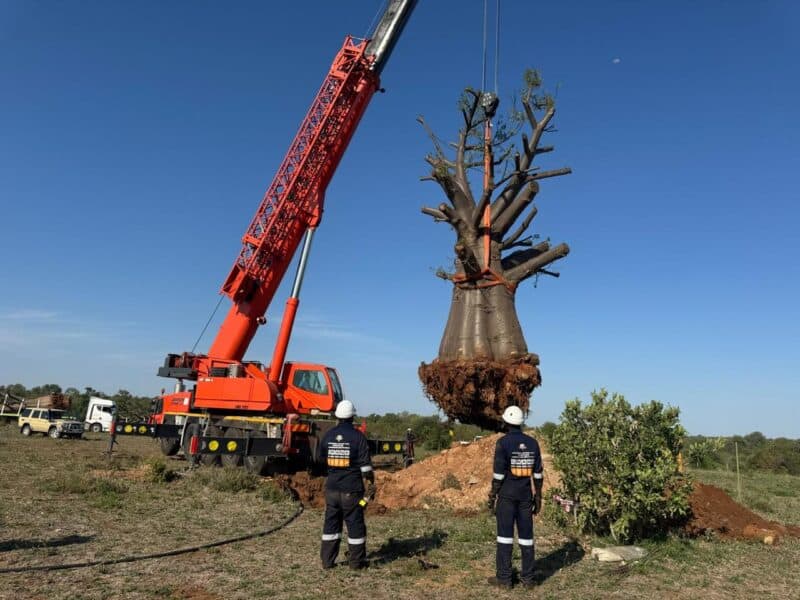
LIMPOPO – After months of uncertainty, a 900km journey and a complex relocation process, the five iconic baobabs at the centre of a conservation effort have finally been returned to the soil.
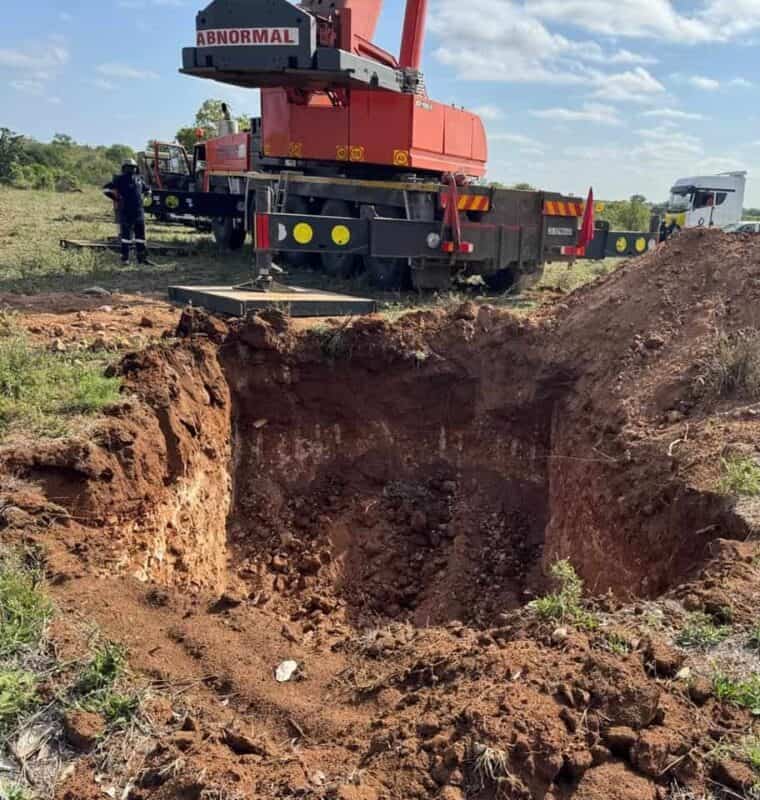
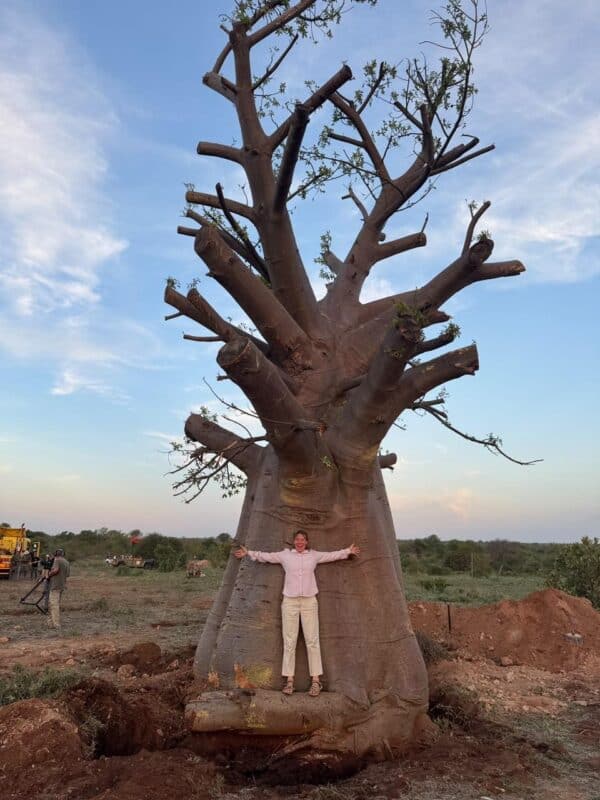
The trees were replanted at their new home in the Timbavati Nature Reserve, marking the latest chapter in a journey that captured public attention from Limpopo to KwaZulu-Natal and back again.
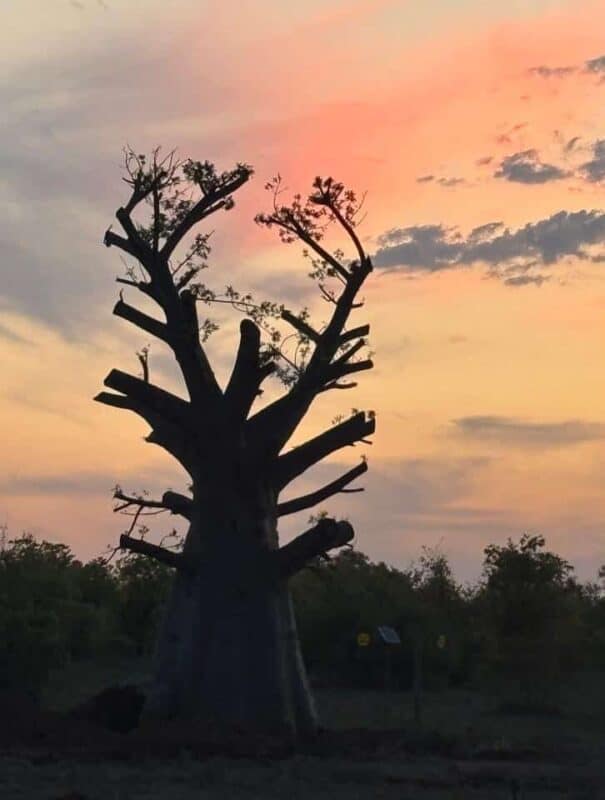

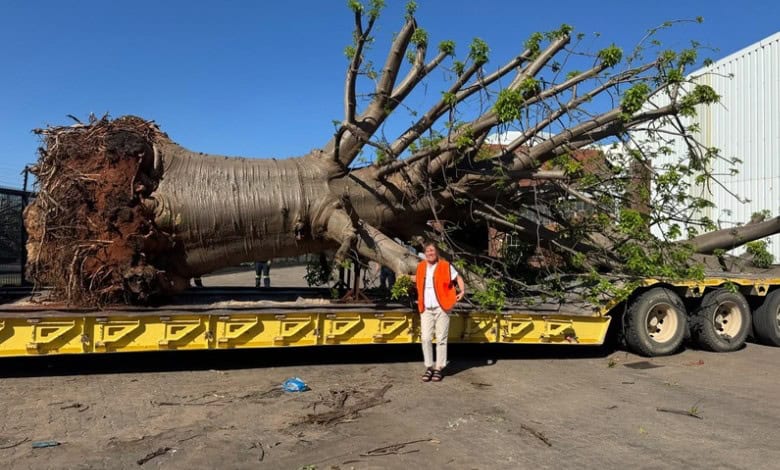
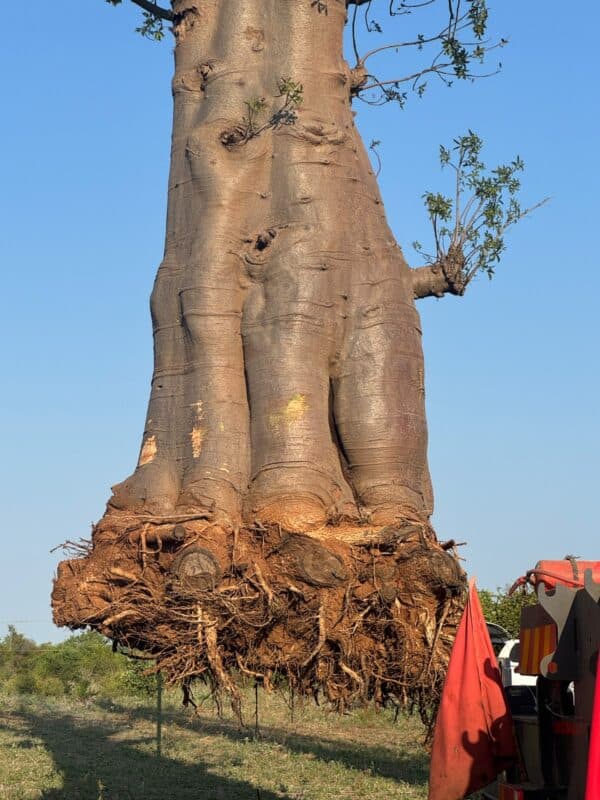
The story began when the protected baobabs were removed from their original location, sparking questions and concern among conservationists and members of the public.
Read our previous story on the baobabs’ removal and relocation: 5 Waterberg baobabs rescued after suspected illegal removal
The trees later travelled across South Africa before making their way back towards Limpopo. After months out of the ground, they arrived in Hoedspruit as part of an extraordinary transport operation involving five low-bed trucks and an abnormal-load escort.
The convoy’s arrival drew residents to the roadside as the giant trees passed through town, with local Farm Watch members assisting with the movement of the vehicles.
But reaching the Timbavati was only one part of the challenge.
According to the Timbavati Nature Reserve, six speed humps along the Avoca road had to be removed to allow the enormous trucks to pass. At the transfer point, two cranes carefully lifted the baobabs, each weighing between 17 and 30 tonnes, onto smaller trucks capable of navigating the final stretch of dirt roads to the planting sites.
Transport crews, crane operators and conservation teams worked through demanding conditions to ensure each tree reached its destination safely.
A new chapter begins
With all five baobabs now back in the ground, attention turns to their recovery and long-term survival.
The relocation required months of planning, coordination and collaboration between conservation teams, transport specialists and those working on the ground.
WATCH: A new chapter begins as the five baobabs are carefully planted after their extraordinary journey across South Africa. #ReviewOnline https://t.co/yXCYgParnK
— Polokwane Observer (@PolokwaneObserv) November 24, 2026
The Baobab Foundation said the attention surrounding the project has also highlighted the threats facing many other African plant species that do not receive the same public recognition as iconic trees such as baobabs.
While baobabs often inspire strong emotional and cultural connections, many lesser-known species remain vulnerable to illegal trade and exploitation.
The foundation is now calling for continued support for conservation efforts aimed at protecting vulnerable plant species.
Members of the public who would like to support these conservation efforts can contribute through the Baobab Foundation’s donation page.
The return of these five trees marks the end of one remarkable journey, but the wider conservation message behind their story continues.
Read more about the baobabs’ journey to their new home: Gentle giants make final journey to Timbavati