‘Kuluma vu Kanyi’ a great success
The National Heritage Council (NHC) of South Africa and the Limpopo Department of Sport, Arts and Culture in partnership with the Limpopo Heritage Resources Agency (LIHRA), Baphalaborwa Municipality and Mopani District Municipality hosted a celebration ritual and a traditional festival called “Ku luma vukanyi” in Xitsonga or “Go Loma morula” in Sepedi, to mark the beginning of the marula season in South Africa on Friday, February 18 at Muti Wa Vatsonga Open-Air Museum in N'wamitwa and Saturday, February 19 at Thakgalang village.
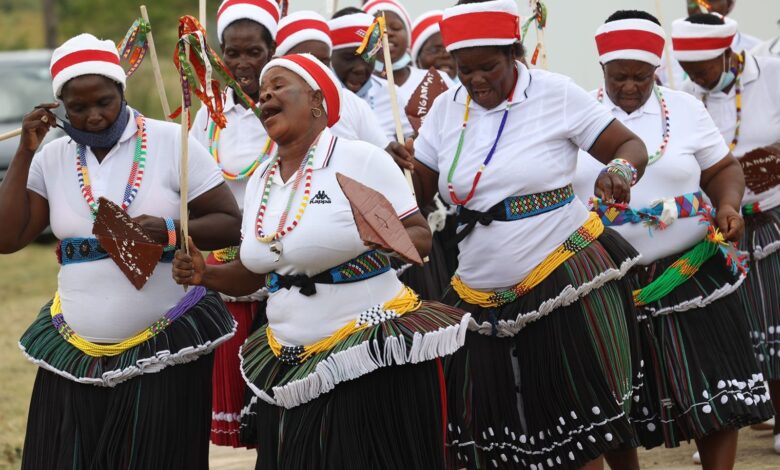
“In Africa, a festival of this nature is of a religious nature and involves lots of dancing and music. African people have always had festivals at the time of harvest as a way of giving thanks to the spirits and appeasing their ancestors. “In some African cultures they hold a ceremony called ‘first fruits’ that takes several days of planning in order to bless the newly harvested crops and purify the people before they eat the foods.

“They sing special songs and praises. The community gathers in one place to share the food and beverages, and the festival gives people a sense of oneness and togetherness and belonging. Kuluma Vu Kanyi is one of those ceremonies,” said Siseko Ntshanga of the NHC.
He also added that the marula tree and its fruits are as versatile and resilient as the African people, and it is not by coincidence that they are gathered in a celebratory mood to appreciate and acknowledge the importance of the event.
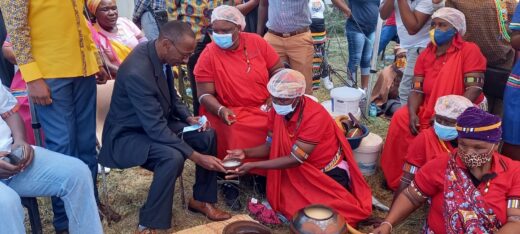
Besides it being a source of food for both people and animals like elephants, marula is also known for its magical qualities as a healing ingredient for its virility and fertility properties, and the many uses of its bark, leaves, fruit, nut, and kernels. One of the many legends/stories about the marula tree is that it is known as the ‘marriage tree’, for it is a symbol of fertility and is used in a cleansing ritual before marriage.
As there are separate male and female trees, you will always find them near one another, happily co-existing for a life span of several hundred years, as they must grow next to each other to produce fruit. This translates into the interdependence between males and females which is deeply entrenched in Africa’s ancient fertility rites and thus gives rise to another traditional belief.
Also read: Limpopo’s cultural diversity celebrated through marula fruit
Professor Mbaimbai Hlati, SADC Unified Ancestors traditional health practitioner also pointed out the purpose and importance of the event. “A lot of people do not know how important the marula tree is, they do not know that it is very important to our daily lives and it also helps with herbs.
“We have ceremonies to inform our ancestors that we are about to start the Marula beer and thank them for the harvesting. We also ask for protection that when we drink the beer, we should not get sick, but there are people who do not follow the traditions of the marula tree and they harvest the fruit and make the beer and sell it, whereas the beer is not for sale, it should be given to people for free,” he said.
Limpopo Heritage Resource Agency, Tsakani Shiviti also highlighted important facts about the ceremony and knowing your roots. “I want to remind you of the importance of our culture, on why we should continue performing our cultural practices and we should start embracing our culture and know where we come from, and who we are.
A person who does not know where they come from does not know where they are going. Our purpose as LIHRA is to emphasise that we do take care of our culture and it will take care of us in return we know,” said Tsakani.