Update: Mayor weighs in on Botshabelo
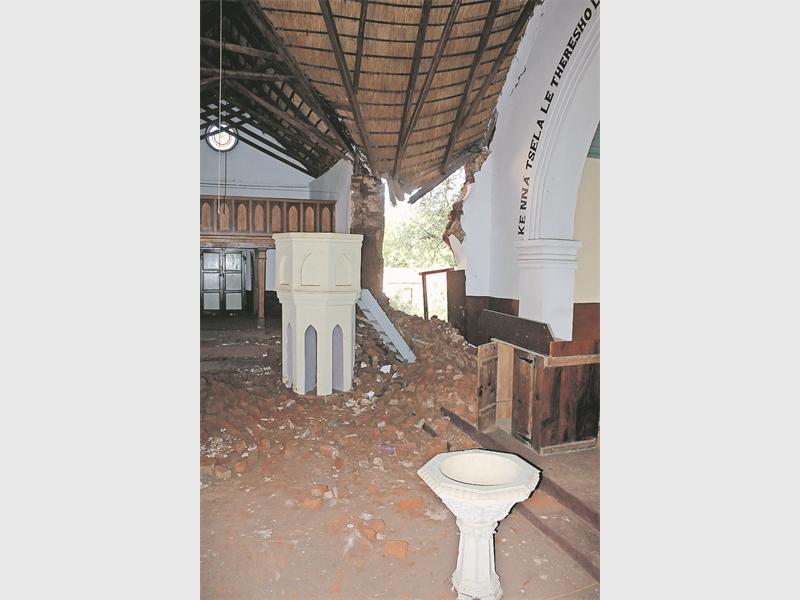
There might be a glimmer of hope for Botshabelo's historical church built in 1868, and the village in general.
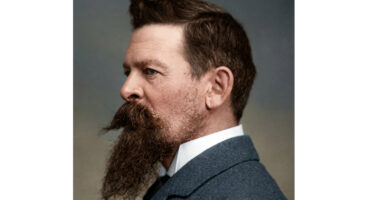
Mayor Mike Masina, in this week’s The Mayor Says column, committed to visiting Botshabelo with a team, to see what can be salvaged.
He says that he purposefully omitted tourism investment possibilities during his interview on SABC Morning Live on Tuesday, out of fear of being asked about Botshabelo.
“A few years down the line from now, historical judgement is not going to exonerate us if we only lament about the collapse of Botshabelo,” Mayor Masina says.
Video: Place of Refuge in ruin
“Our town and region would have been more economically viable and tourist rich than it is now, if Botshabelo was preserved and maintained,” the Mayor concluded.
However, heritage specialists like the Managing Director of the Heritage Foundation, Ms Cecilia Kruger, disagrees by saying all Eurocentric heritage resources are earmarked for a slow, painful, demise.
“The only tangible, self sustaining, heritage site is the Voortrekker Monument, and without dedicated financial pledges, the rest all fall on the wayside,” Ms Kruger argues.
But, is is correct to view Botshabelo as a colonial legacy?
Yes, the founders, Alexander Merensky and Heinrich Grützner were both Berlin missionaries, and therefore Botshabelo must have a colonial connotation by default, right? Wrong!
Botshabelo’s owners are 100% black – all 1000 families. Ownership, according to all government and heritage authorities, including Chapter 9 institutions like the Public Protector, is not under dispute.
“The Botshabelo situation is complex insofar that it has been declared a provincial heritage site, but belongs to a selective group of owners, thus what was supposed to have been open to all, has been effectively closed off to them,” Ms Kruger explains. When money is added to the mix, the chasm between public and private becomes much wider to bridge.
Botshabelo was not established by whites for whites. The majority of its residents of well over 1500, were in fact, black.
“There is no quick fix to any of this, the Middelburg Observer knows, the paper has been reporting on the crisis for well over a decade,” Ms Kruger says.
Personally, Ms Kruger has facilitated meetings between stakeholders, but the last was over two years ago.
“Many promises were made, but when the goodbyes were said, and the cars rolled out of the gates, they were forgotten,” she adds.
“It is wonderful that a man like Mayor Masina can see that the fall of Botshabelo is an indictment on us all,” Ms Kruger told the Observer.
Meanwhile Deputy Minister of Justice, Mr Thabang Makwetla, one of Botshabelo’s owners, are yet to weigh in on the church fracas.
His spokesman, Mr Ntime Sikhosana, told the Observer that Mr Makwetla made a conscious decision to disinvolve himself from the Botshabelo saga, some time ago.
Apart from this statement, no comments were received from the Minister.
Mr Harald Pakendorf and Mr Peter Gastrow, who both grew up at Botshabelo and have historic houses named after their families, have sent the Middelburg Observer exposé far and wide, in an effort to get the whip cracking.
Outrage at Botshabelo mining plans
Video: Botshabelo – spookdorp van verval