
Explosives plant near Mall
An Indian explosives company, Solar Holdings, accused of importing "substandard detonators being used on the Gupta-owned Optimum Mine, and other mines" has opened the largest satellite explosives manufacturing plant outside India near the Mall.
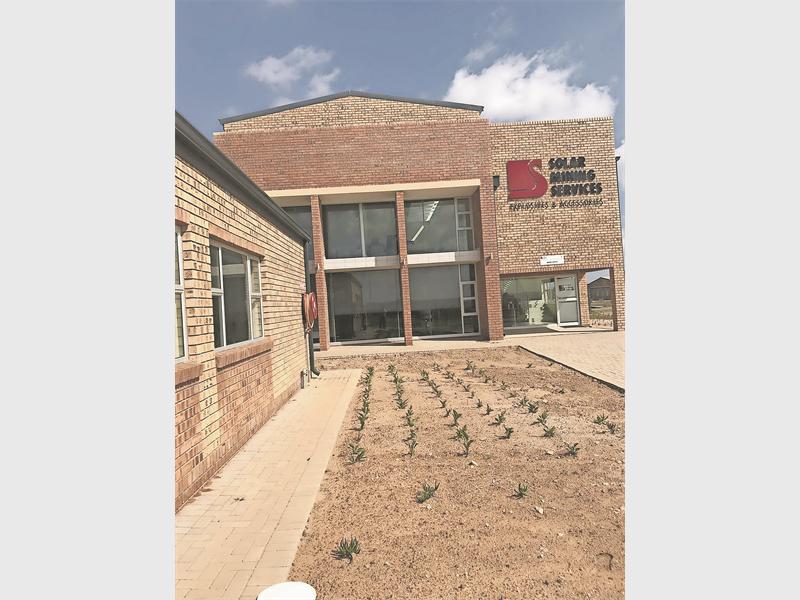
The plant is already manufacturing explosives and will soon also manufacture detonators, which are presently being imported.
The Indian subsidiary, Solar Mining Services, Explosives & Accessories (Pty) Ltd, and its only South African Director, Mr Desmond Pillay, and Solar managers, are being accused of a number of questionable activities which has led to the “coerced resignation” of the company’s former General Manager, the resignation of its Rustenburg Sales Manager three weeks ago, and the immediate resignation of the SHEQ Manager two weeks ago.
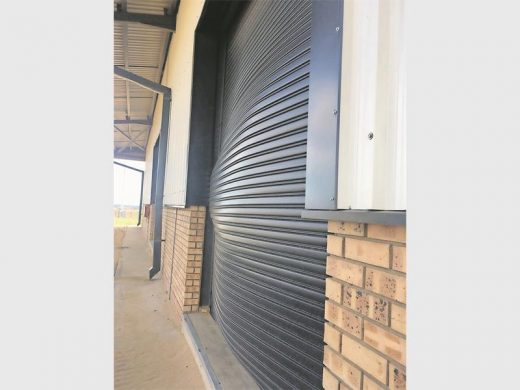
The company was issued with licences to produce and spread explosives manufactured at the plant where no Environmental Impact Assessment was carried out before construction commenced.
According to a reliable source, Mr Pillay submitted a 24G admission of guilt application, which could result in administration fines of up to R10 million.
The application requires a water licence which still has not been obtained by Solar, the source revealed. The plant is built on a wetland with a borehole on site.
Present Acting General Manager, Mr Subash Chetty, has also caused a rift between the company and SA employees by allegedly forcing his religious beliefs down on employees, which directly led to the resignation of the only local employee at Solar a fortnight ago.
Meanwhile, the Indian Solar Group has endured a lot of international scrutiny after having been tied to the supply of detonation cord to Isis terrorists according to an independent Conflict Armament Research (CAR) investigation, commissioned by the European Union in 2016.
The CAR report also found that Solar subsidiary, Economic Explosives, supplied detonators used by Isis to manufacture improvised explosive devices. Seven Indian companies were implicated in the report.
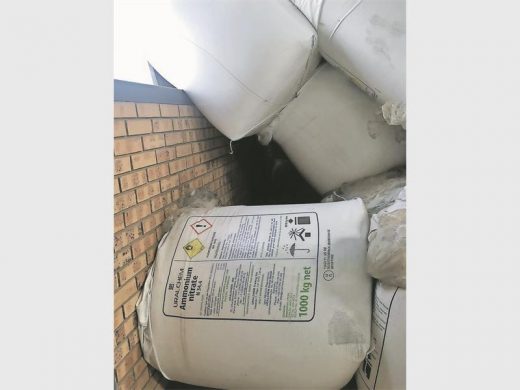
IED components are commercial goods and thus less regulated than the transfer of weapons. All components documented in the CAR report were found to have been legally exported under government-issued licences from India.
During the same time as the release of the CAR report, Solar also became the first private sector company allowed to manufacture bi-modular charge systems, a component of artillery ammunition, by the Indian Commerce Ministry. Other weapons being manufactured include warheads for rockets and missiles as well as multi-mode grenades and large calibre projectiles.