What to know about roadblocks in South Africa
Things to know and remember during the roadblocks in South Africa
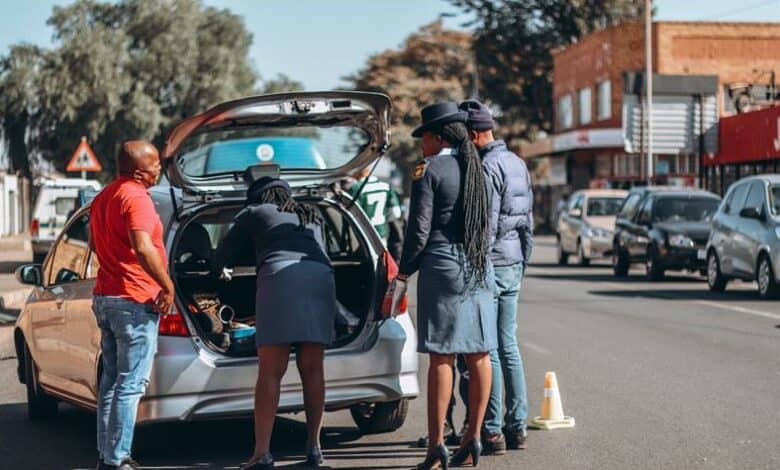
Roadblocks in South Africa are common to ensure things such as vehicle roadworthiness, drunk driving and to seize a specific vehicle that has been connected to a major crime.
There are two types of roadblocks, informal roadblocks and K78 roadblocks. Informal roadblocks are mainly deployed to police drunk driving, speeding and unroadworthy vehicles, as well as outstanding fines. They are usually set up on major roads or highway off-ramps.
K78 roadblocks have to be approved by the National Police Commissioner and are mostly used to catch a specific vehicle that has been connected to a major crime.
Also read: Midrand Industrial Park manager unhappy with JRA’s ‘shoddy work’
Even without doing anything wrong, being stopped by a traffic officer is enough to make most drivers feel nervous. The unfortunate reality is that in South Africa, traffic officers have a lot of power and a bad reputation, and most citizens are scared of getting on the wrong side.
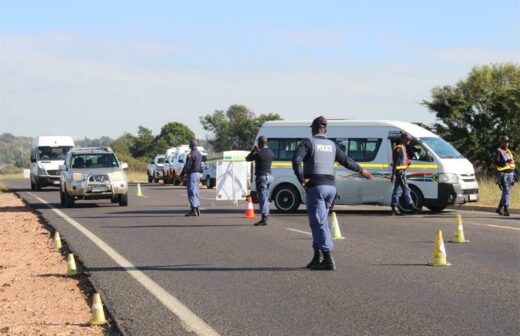
These are some of the rights motorists have at a roadblock:
- Ask why you’ve been stopped: The officer is legally required to tell you
- Refuse unreasonable searches: The police need a valid reason to search your vehicle
- Record your interaction: You can record your interaction with the police, but don’t interfere with their duties
- Request proof of identification: You can ask the officer for proof of identification and their appointment form
- Don’t be detained or arrested without a warrant: The police cannot detain you or arrest you without a warrant.
Also read: 2 motorists and 1 biker behind bars for exceeding speed limit on R562 Olifantfontein Road
Traffic officers are allowed to do several things, depending on the type of roadblock:
At an informal roadblock, officers can:
- Ask for your driver’s licence or ID
- Check outstanding fines
- Check your vehicle’s licence disk
- Make sure the car is roadworthy.
At a K78 roadblock, officers can:
- Search any vehicle without a warrant
- Seize any possessions that they suspect are linked to a crime
- Perform a body search, as long as it is performed by a member of the same sex
- It is illegal for an officer of the opposite sex to search you.
What you should do:
- Be polite
- Cooperate with searches, but you can contest the search later if you think it was unlawful
- Inform the officers that you are recording.
Follow us on our Whatsapp channel, Facebook, X, Instagram, and TikTok for the latest updates and inspiration! Have a story idea? We’d love to hear from you – join our WhatsApp group and share your thoughts!