Protective workshop at Novalis House empowers adults with intellectual disabilities to thrive
In the broader community, people living with intellectual disability are often misunderstood. This can lead to isolation, loneliness, and an increased risk of exploitation or abuse. A recent workshop at Novalis House aimed to change that.
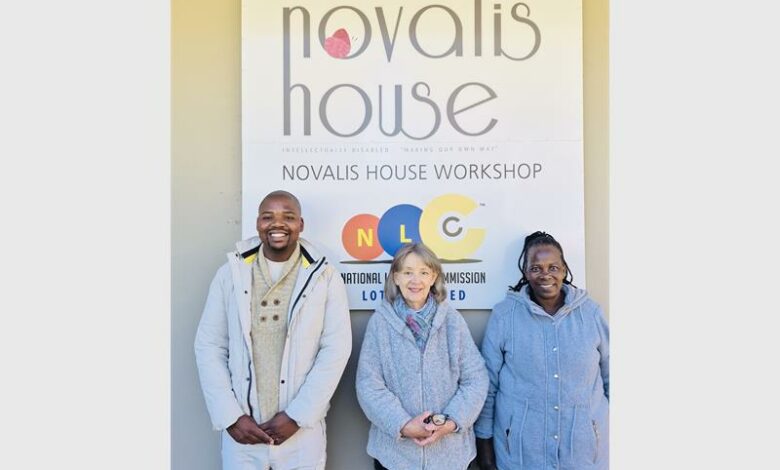
The Novalis House Residence and Protective Workshop aims to change the misunderstanding people living with intellectual disabilities face in the community, by offering tailored services that promote personal growth, inclusion, and wellbeing.
Mary Owen, general manger of Novalis House, spoke about how the home brings about change in the residents’ lives, while providing a safe and supportive environment where adults receive the care, guidance, and encouragement they need to reach their full potential, while living with dignity and purpose.
Read more: Ubuntu Rabie Ridge Foundation appeals for support to expand youth empowerment initiatives
“When they get together and have some fun, it really makes a difference to them and you can tell. They form bonds which are strong. They were even able to get together to write cards for one of the members who is in hospital. That just shows the amount of unity and love they have for each other.”
For adults who are no longer able to live with their families, the residence offers full-time accommodation and assistance with daily activities.
This ensures residents receive ongoing care in a secure environment, while providing reassurance to families who may no longer be able to meet their loved one’s care needs.
The facility also runs a structured day programme for adults who continue living at home. The programme gives participants the opportunity to learn valuable life and work-related skills, while following a consistent daily routine.
Activities include packaging and assembly work, food preparation, housekeeping, laundry, recycling, and gardening. By taking part in these tasks, participants develop practical abilities, boost their self-esteem, and gain a sense of accomplishment.
Also read: Noordwyk Parkrun gives hope through winter food donations
Intellectual disability affects a person’s ability to learn, reason, solve problems, and manage certain everyday tasks.
Although many individuals are capable of leading meaningful lives with the right support, they are often misunderstood, which can result in social isolation and increased vulnerability.
The organisation admits that there is no current cure for intellectual disability, as it is a lifelong condition. However, it is manageable.
Tips on how to limit the risk of intellectual disability, according to Novalis House:
• Consuming prenatal vitamins with folic acid before conception and during early pregnancy reduces the risk.
• Do not consume alcohol or illicit drugs during pregnancy.
• Get vaccinated against preventable diseases.
• If there is a family history of genetic disorders, seek genetic counselling.
• Ensure your baby receives mandatory newborn metabolic and genetic screening.
• Keep up to date with childhood vaccines to protect the brain from damaging infections.
Follow us on our WhatsApp channel, Facebook, X, Instagram, and TikTok for the latest updates!