Reddam House Helderfontein teacher reflects on education leadership
For women’s month, Reddam House Helderfontein head of early learning and junior preparatory school Nicola Crooks reflects on the women whose influence on early childhood education offers important lessons for school leadership today.
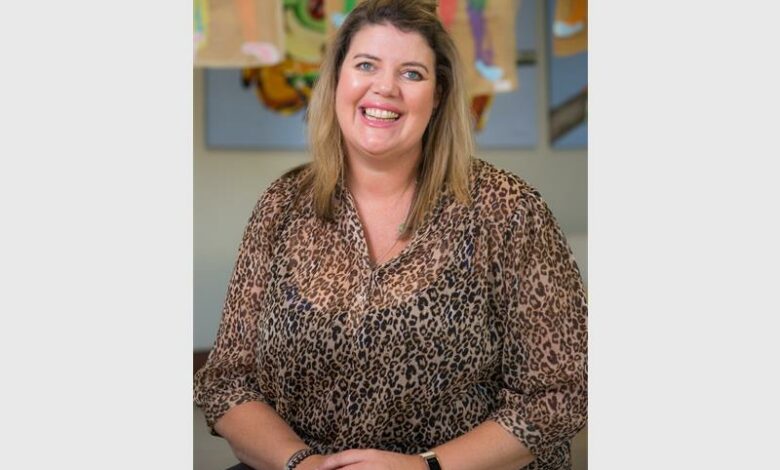
Reddam House Helderfontein head of early learning and junior preparatory school Nicola Crooks writes:
Some of the most influential work in education happens quietly.
In the educator who notices a withdrawn child, the colleague who builds another teacher’s confidence, or the school leader who creates a culture where families feel heard. Much of this work has been led by women, yet its impact is not always recognised as leadership.
Read more: Protective workshop at Novalis House empowers adults with intellectual disabilities to thrive
Women’s month offers an opportunity to celebrate women in education, and reflect on what their contribution can teach us. For generations, women have advanced an understanding of education rooted in relationships.
Children learn best when they feel safe, known, and valued, teachers grow when trusted and supported, and schools become stronger when families and communities are treated as partners.
These principles require decisive leadership. Listening does not mean avoiding difficult decisions, while collaborative leadership does not mean surrendering authority.
Relational leadership requires confidence to act, humility to consider different perspectives, and courage to put children’s needs first.
Women played a central role in this effort, helping create the conditions in which educator Loris Malaguzzi and others developed an approach centred on listening, relationships, creativity, and respect for children’s capabilities.
Also read: Phethahatso Foundation hosts warm mom and son dialogue in Midrand
The lesson is not that one educational philosophy provides every answer. Rather, it shows how change can happen when communities identify what children need, women mobilise around a shared purpose, and educators build on knowledge within families and communities. Leadership becomes collective rather than concentrated in one individual.
This remains relevant as schools navigate changing family needs, rapid technological development, greater awareness of neurodiversity, and growing concern about children’s wellbeing.
South Africa has its own history of women using education to widen opportunity and strengthen society. Leaders such as Graça Machel, Mary Metcalfe, and Phumzile Mlambo-Ngcuka have contributed to children’s rights, education reform, and the empowerment of girls and women.
Also read: Community rallies behind Midrand SPCA during Mandela Day fundraiser
In schools across the country, women lead in communities shaped by diversity and inequality. They adapt, advocate, and build trust, reminding us that leadership is not defined only by a title; it is also expressed through the expectations we hold for children, the support we give colleagues, and the culture we create through everyday choices.
The most effective educators do more than deliver a curriculum. They observe carefully, ask thoughtful questions, and adapt their practice to the child in front of them.
They understand that a child’s first experience of school can shape not only what they learn, but whether they see themselves as capable, curious, and worthy of being heard.
As we celebrate women’s month, we should recognise both the women whose names appear in education’s history and those whose influence may never be formally recorded.
Follow us on our Whatsapp channel, Facebook, X, Instagram and TikTok for the latest updates!