Kamoraleng Heritage Institute pays tribute to equestrian pioneer Enos Mafokate
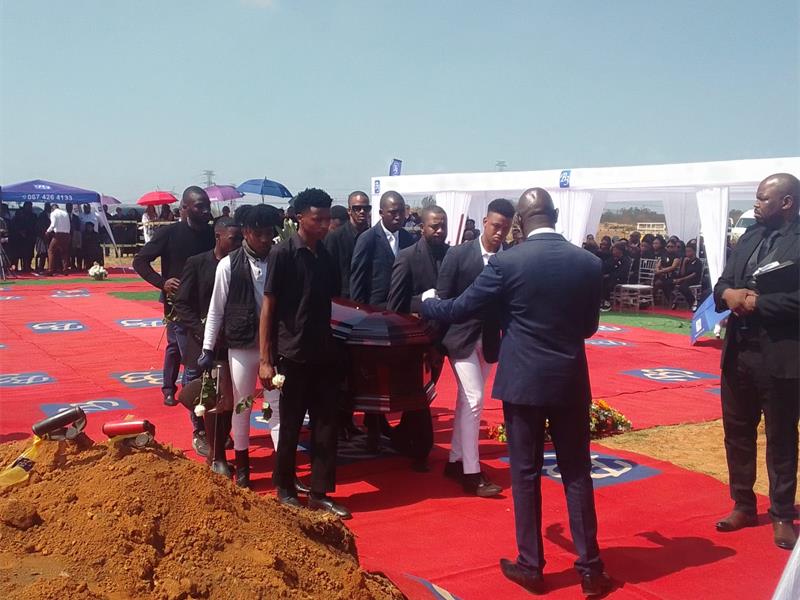
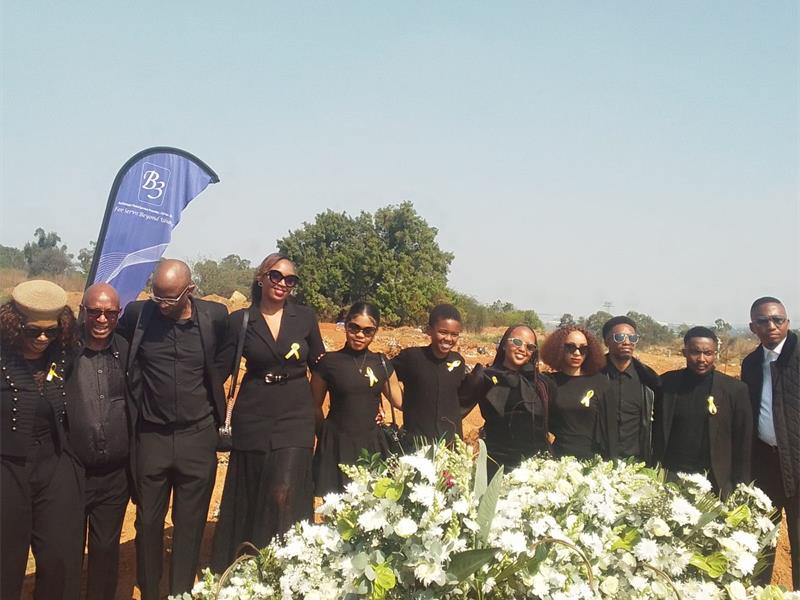
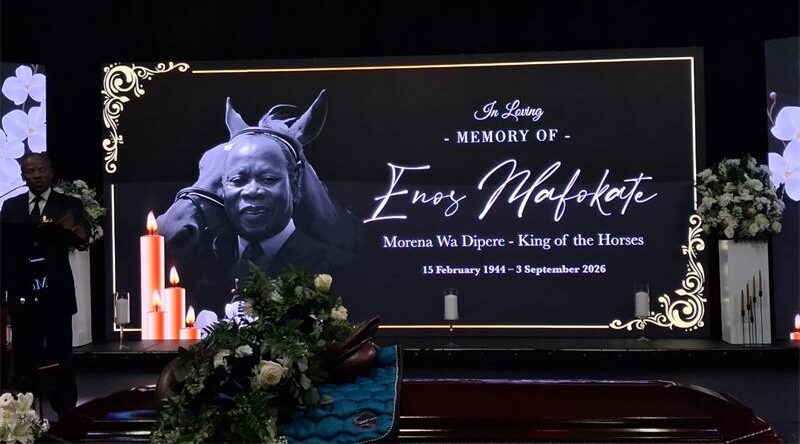
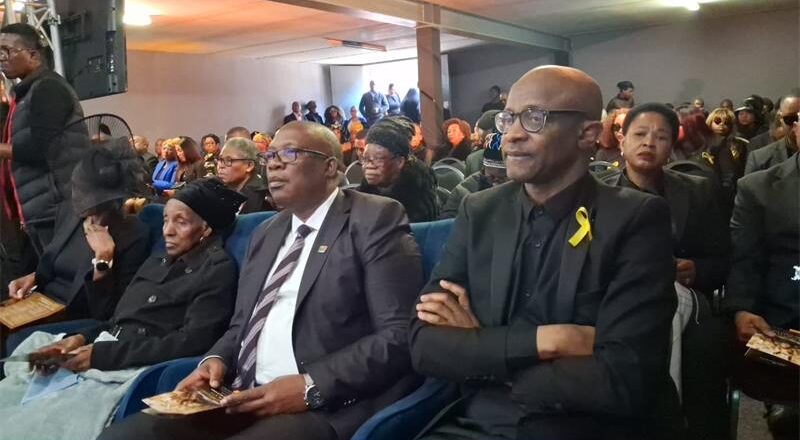
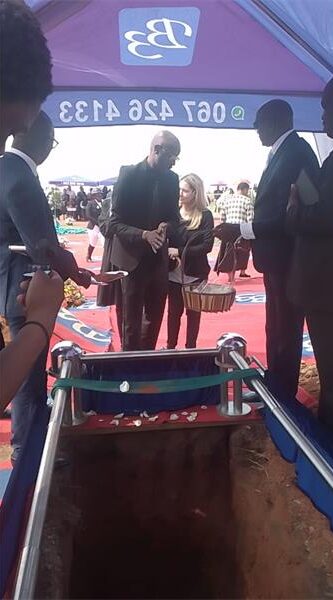
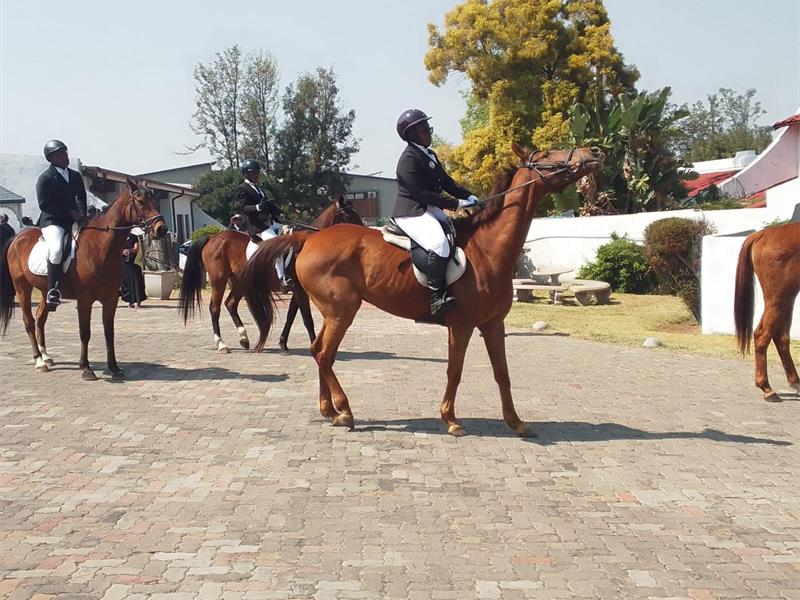
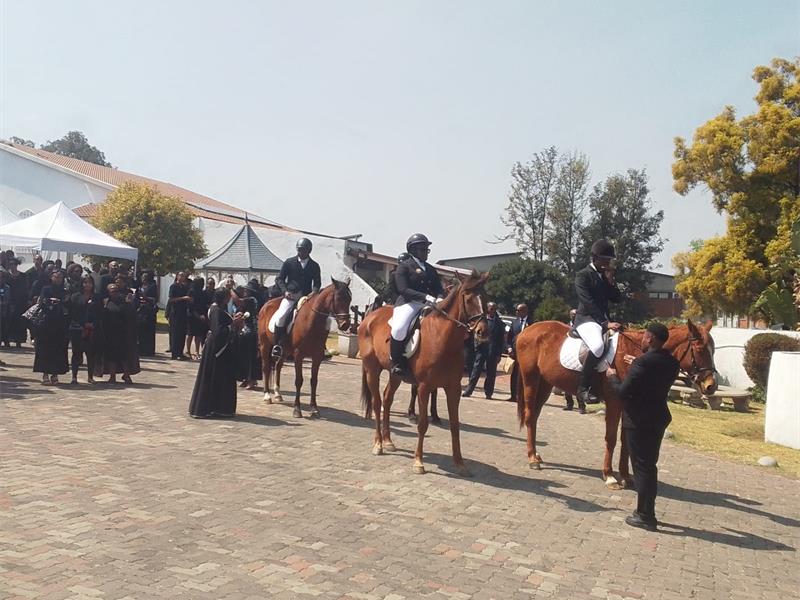
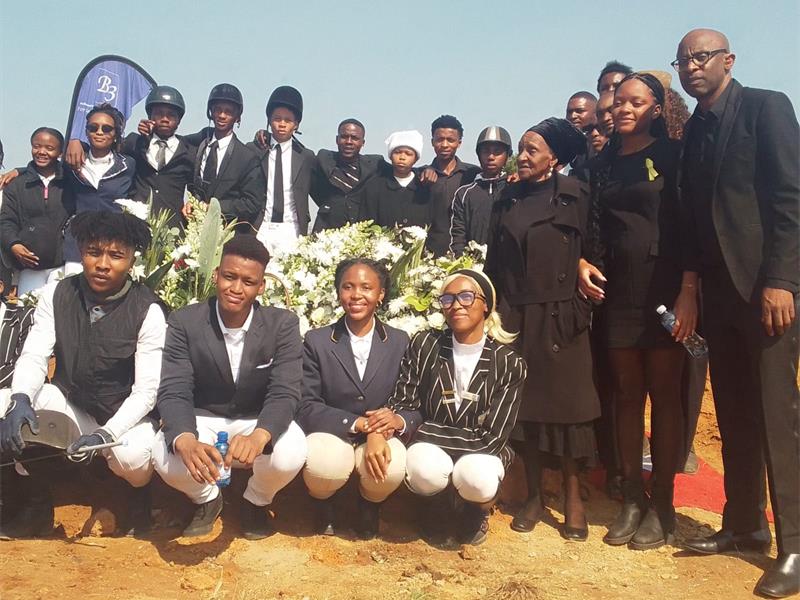
Legendary equestrian Enos Mosotho Mafokate was laid to rest at Waterfall Cemetery as family, friends and dignitaries gathered to honour his remarkable legacy.
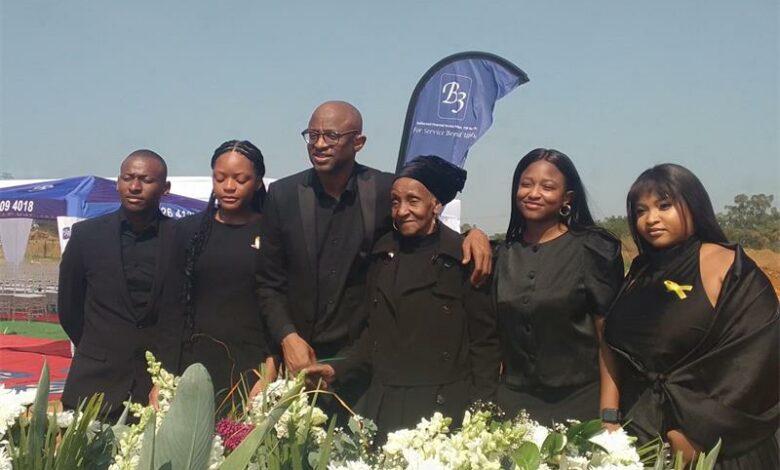
Midrand-based Kamoraleng Heritage Institute has paid tribute to legendary South African equestrian Enos Mosotho ‘Kgosi ya Dipere’ Mafokate, whose life and sporting legacy continue to inspire generations of young people.
Mafokate, who was born in Alexandra on February 15, 1944, died on September 3 this year at the age of 82. He was laid to rest at Waterfall Cemetery on September 10, with his memorial service held in Soweto the following day.
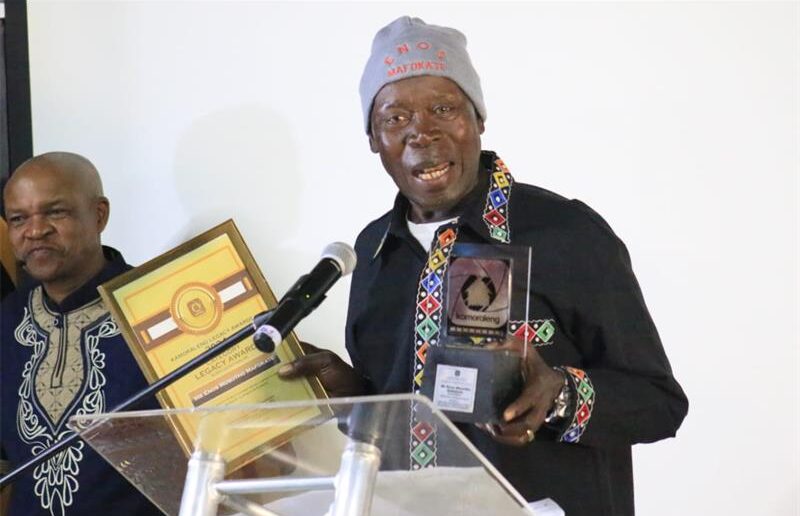
Kamoraleng founder and CEO Develd Monyai said the institute was honoured to have celebrated Mafokate’s contribution while he was still alive, presenting him with a Lifetime Achievement Award at the Kamoraleng Legacy Awards on May 25 this year.
Monyai said the recognition formed part of the institute’s efforts to document and preserve the stories of South Africans whose contributions have shaped the country’s heritage.
“We honoured his legacy through our documentary, Breaking Barriers: Enos Mosotho Mafokate’s Journey from Alexandra, grooming horses in restricted farmland to becoming an international sports star,” said Monyai.
The documentary traces Mafokate’s journey from a young boy in Alexandra who developed a passion for horses to becoming South Africa’s first black showjumper and an international sporting figure. Mafokate later established the Soweto Equestrian Centre, creating opportunities for young people, particularly those from communities historically excluded from equestrian sport.
When he accepted Kamoraleng’s Lifetime Achievement Award, Mafokate spoke about the legacy he hoped to leave behind. “Through launching this foundation, [Enos Mosotho Mafokate Foundation], I would like to leave a legacy for grandchildren and those who never got an opportunity to ride a horse,” he said.
Also read: Ivory Park seniors enjoy being honoured by City of Johannesburg for Mandela Day
Monyai said Mafokate had also expressed a wish to see a museum established in his name. “He was living heritage. His story is not in the curriculum, but it has been documented by Kamoraleng Heritage Institute,” said Monyai.
“Kamoraleng has given Kgosi ya Dipere his flowers while he could still smell them. Little did we know that today we would be celebrating his life and the work that he has left behind that has impacted and touched people’s lives.”
Mafokate’s contribution to equestrian sport included a second-place finish in the Rothmans Derby in 1976, victories at Constantia Show Grounds, and a fifth-place finish at the 1980 Royal International Horse Show at Wembley. He was also part of South Africa’s equestrian representation at the 1992 Barcelona Olympic Games.
Monyai will next month present a paper titled Breaking Barriers: Enos Mosotho Mafokate’s Journey of Resilience through Sport and Oral History at the OHASA National Conference in Gqeberha.
Moreover, Sport, Arts and Culture Minister Gayton McKenzie said Mafokate broke barriers by entering a sport that apartheid had effectively excluded black South Africans from.
“He showed that we belonged there too. What I respect most is that Mafokate did not forget those coming behind him,” said McKenzie in a statement released on September 4 by the department.
Deputy Minister Peace Mabe also described Mafokate as a symbol of courage, resilience and excellence whose contribution to South African sport would remain part of the country’s heritage.
Follow us on our Whatsapp channel, Facebook, X, Instagram and TikTok for the latest updates!