Midrand youth voters share hopes for Johannesburg ahead of 2026 elections
Young residents from Midrand and surrounding areas share their views on unemployment, education and the changes they want to see in Johannesburg ahead of the 2026 local elections.
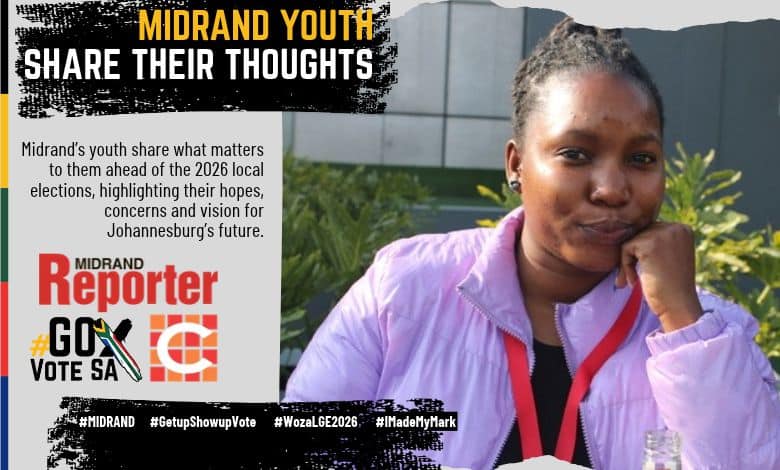
As young residents across the Midrand Reporter distribution area prepare for the 2026 local government elections, they share their views on voting, the challenges facing South Africa’s youth and the changes they want to see in Johannesburg. From tackling unemployment and improving education to creating safer, cleaner communities and strengthening service delivery, these young voices reflect their hopes for the city’s future and the role they believe they can play in shaping it.
Ahead of the November 4 Local Government Elections, Johannesburg North journalists spoke to 240 young people aged between 18 and 36 across seven communities – Alexandra, Fourways, Midrand, Northcliff, Randburg, Rosebank and Sandton – to gauge their attitudes towards voting, democracy and municipal leadership.
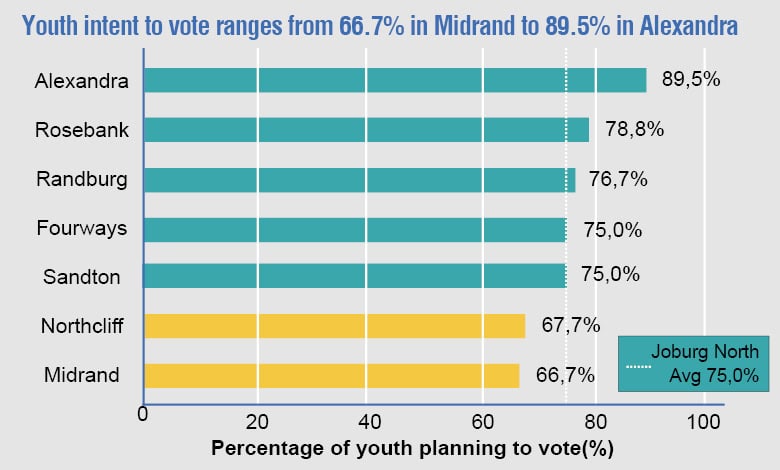
Despite widespread disillusionment, 75% of young residents plan to cast their ballots, viewing their vote as an essential tool to demand accountability rather than a passive duty. Turnout intention peaks in Alexandra at 89.5%, where registration hurdles, rather than political apathy, remain the main barrier for non-voters.
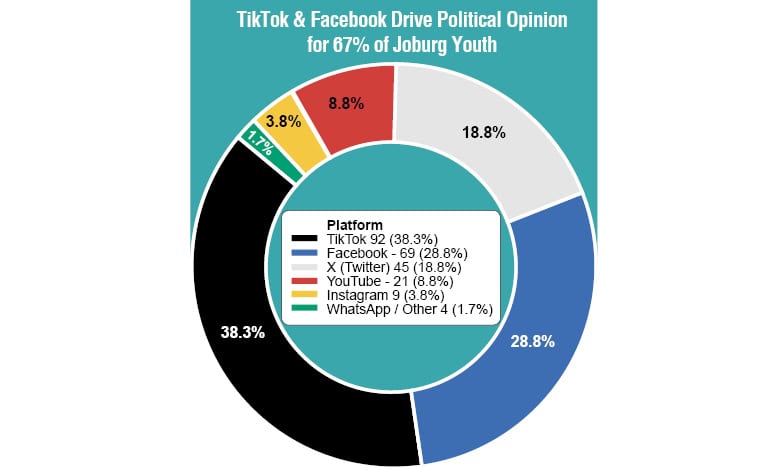
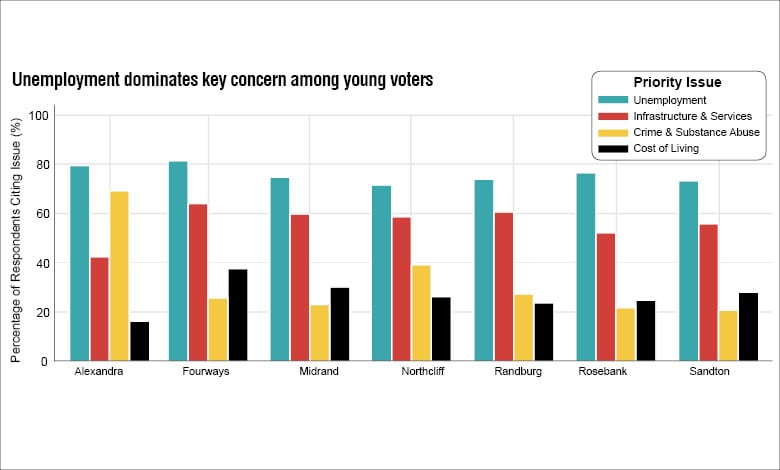
Youth unemployment stands out as the greatest crisis, cited by 71.7% of respondents as their top concern, followed closely by chronic infrastructure breakdowns in water and electricity supply. Political discourse has moved online, with TikTok (38.3%) and Facebook (28.8%) driving political opinions for more than two-thirds of young voters.
However, a steep civic literacy gap persists. While more than 75% of suburban youth recognise Executive Mayor Dada Morero, recognition drops to 31.6% in Alexandra.

Ultimately, young voters are demanding action over political promises, prioritising youth employment pathways, basic infrastructure repairs and community safety for Johannesburg’s next administration.
These were the questions we asked:
1. Name, age, sex, race and highest level of education
2. Will you be voting on November 4 or not? Why?
3. What is the most important issue to you facing the youth of today?
4. Have you voted before?
5. If you were of voting age at the last election, but did not vote, and will be voting this time, what has changed to make you want to vote?
6. If you were of voting age at the last election, but DID vote, and won’t be voting this time, what has changed to make you NOT want to vote?
7. What social media platform drives your political opinion most?
8. Do you understand local government properly?
9. Can you name the current mayor?
10. Can you name your ward councillor?
11. If you were Mayor of Johannesburg, what is the first thing you would do?
Kgosimang Molefe
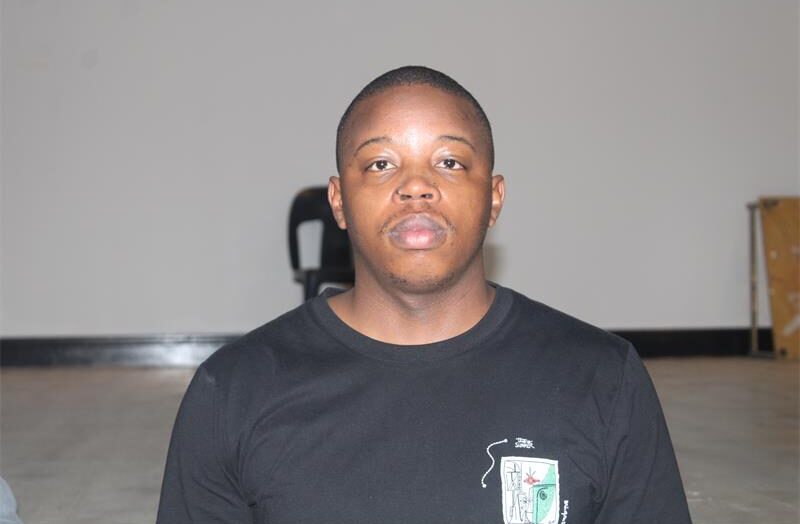
- 27, Male, Black African, Bachelor’s degree
- Yes. I will be voting because local government has a direct impact on my everyday life, especially issues like service delivery, roads, electricity, water, safety and opportunities for young people.
- Unemployment and the lack of meaningful economic opportunities. A lot of young people have qualifications but still struggle to find work or start sustainable businesses. We need better pathways from education into employment, entrepreneurship and skills development.
- Yes, I have voted before.
- Not applicable because I have voted before.
- Not applicable. I intend to vote this time.
- TikTok and X (Twitter). They expose me to different viewpoints and allow me to follow political discussions and see how other young people respond to political issues. However, I try not to rely on social media alone and prefer to verify information before forming an opinion.
- I would say I have a fairly good understanding, although there is always more to learn. Local government is responsible for many services that directly affect residents, and councillors play an important role in representing communities and holding the municipality accountable.
- Dada Morero, the Executive Mayor of the City of Johannesburg.
- Lerato Mphefo, Ward 112.
- I would focus immediately on basic service delivery and municipal accountability. I would want a clear assessment of the city’s biggest service-delivery failures, particularly electricity, water, roads, waste collection and infrastructure, and then set measurable targets with regular public reporting.
Mekaeel Haffajee
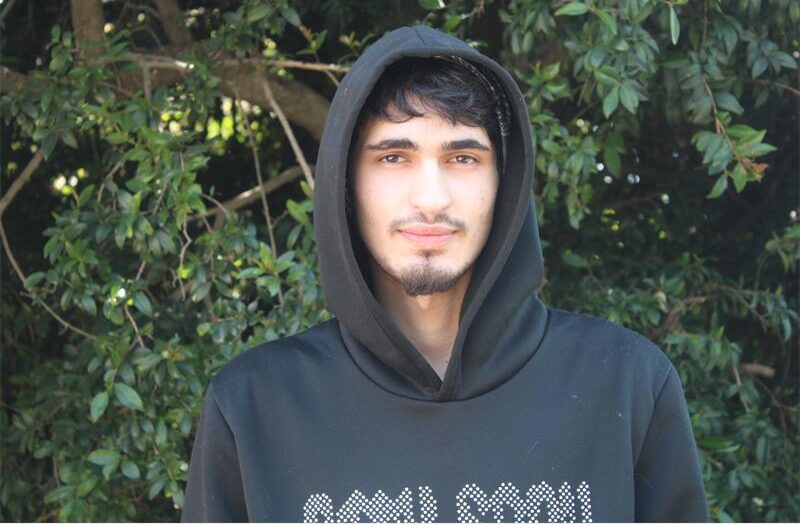
1. 21, male, Coloured; high education is matric
2. The reason why I will not is because every time we vote, we make the same mistake. The only time you see all the parties actually do work is when voting is around the corner.
3. South Africa faces a serious unemployment crisis, and I believe we need to have a more honest conversation about how government funding is being used.
4. Yes, I have.
5. N/A
6. How can we vote for someone we don’t personally know? We are essentially placing our trust in people we have never met and expecting them to represent our interests and make decisions that affect our everyday lives.
7. N/A
8. Honestly, I do have understanding, and we have great laws, but the people in power don’t really take it seriously. We could be a very wealthy country and a safe one, but that would only happen when we have the right person.
9. N/A
10. If I were the mayor, one of my biggest priorities would be creating more jobs and opportunities for people. I believe unemployment is closely connected to many of the challenges our communities face, including crime.
Vhuhone Mawela
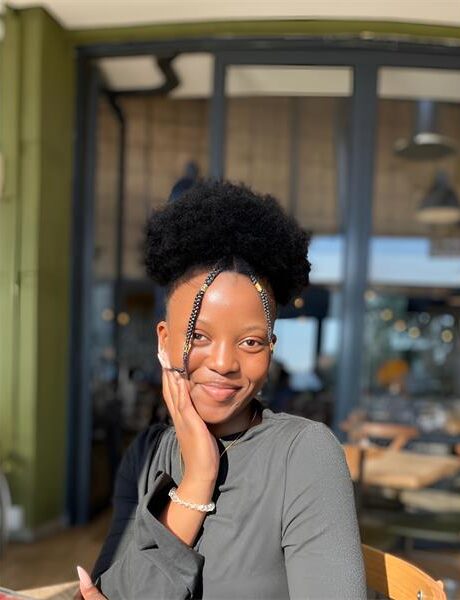
1. 23, female, LLB degree.
2. No, I’m not entirely knowledgeable on each political party’s policies and how to decide which party is best to vote for.
3. I think it is the lack of opportunities to explore environments or exposure linked to their career of interest. High schools also don’t do much in terms of explaining courses offered in higher education or preparing them for such environments, which I feel lets them enter a world they’re not sure how to navigate for a while which may stagger progress.
4. No, not yet.
5. Nothing has changed.
6. N/A
7. I wouldn’t say any social media drives my political opinion.
8. To an extent, yes, mostly in the legal sense.
9. Mr Dada.
10. I think her name is Annette.
11. I think we have too much water crisis, so that would be the first matter I try to handle. Then second would be creating more roads in high-traffic zones, as this leads to illegal driving by residents and taxi and transport drivers, which causes higher risks of accidents and late coming at school and work.
Follow us on our WhatsApp channel, Facebook, X, Instagram, and TikTok for the latest updates!