Workers are doing it for themselves
Sonqoba's ownership model paves the way for locally made clothes.

NELSPRUIT – The textile and clothing industry in South Africa have the potential to be a significant employer, according to MarketReportsOnline.com, an online database of regional industry research reports and company profiles. It reported in December that in recent years, demand in the retail sector has increased but clothing imports, particularly from Asia, have grown significantly.
The government offers support for the development of the industry by helping with investment in infrastructure and implementation of best practice. And with the local clothing-manufacturing sector still under pressure from cheap imports, the industry’s survival may just depend on projects such as those organised by Sonqoba.
This clothing manufacturing cooperative started as a Buscor project, but evolved to be completely independent. It is completely owned and run by its employees. It takes in trainees, and after completion of training, they are offered full employment, which means owning part of the company.
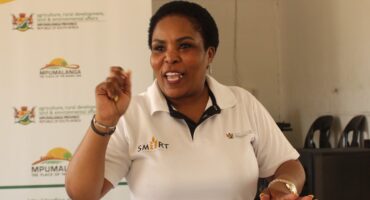
Dollence Khoza, now the managing director and chairman, started off as a factory worker, simply looking for employment in 2000. Each personnel member draws a salary and receives profit share once a year, she explains. They use their net profits as they see fit: on bonuses or reinvestment in Sonqoba.
Colin Cockcroft, factory manager, works for Supply Company, the company’s main client. All of Sonqoba’s input costs such as water, electricity, thread and rent, are paid by the co-op itself. It rents factory space in the FGK building in Bester Street, which is the building Mr Fred Kinnear, founding member of Buscor.
Its space is adjacent to that of Supply Company, which sells clothing under the brand name Ruggedwear. It supplies lodges and reserves with clothing and also sells any imperfect garments at a reduced price in a factory shop also based on the premises.
Cockcroft explains that it does the design and supplies Sonqoba with the fabric, places and order and performs quality control twice before selling the clothes. “They don’t have the means to ensure the rolls and rolls of fabric.”
All the industrial sewing machines are the property of the co-op, however. It currently employs 94 women. They are also planning to expand to a total of 300 workers eventually, a number the premises can accommodate.
Cockcroft, who also assists Sonqoba with training, says it hopes to employ about 150 workers by the end of this year, a 50 per cent growth. This will allow Sonqoba to take on other clients, in addition to Supply Company, to manufacture tough but good-looking clothing for the local market.