
Church celebrates the contribution of elders
"They also help their families with responsibilities such as caring for grandchildren while the parents are at work".
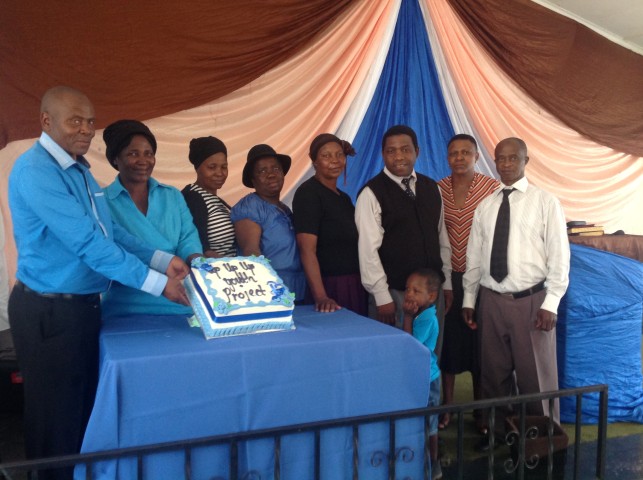
MGANDUZWENI – In celebration of the International Day of Older Persons on October 1, the local Alliance Church in conjunction with Up Up Up Youth Project honoured the elderly recently.
Praises and songs dedicated to them were the order of the Sunday service. The oldest church member, Gogo Lina Sibiya (94) was also thanked for her role.
Speaker after speaker thanked the elderly for their voluntary work in their families and the community, hence the need to respect and acknowledge them. It was also heard that in the community, they played a significant role in transmitting experience and knowledge to the younger generation.
“They also help their families with responsibilities such as caring for grandchildren while the parents are at work,” explained Ms Gugu Mbokane, a member of the project.
“Without them, life will be difficult,” echoed another member.
The church also urged residents to care for elders as they are the fountain of knowledge.
It warned them against the ruthless killing and abuse of senior citizens. “They need to be cared for everyday, not only during their pension days,” said Past Simon Mdluli.
Some people believe that biblically honouring elders is like honouring God himself, as Leviticus 19:3 says,
“You shall rise up before the grey headed and honour the aged, and you shall revere your God; I am the Lord,” and 1 Timothy 5:1 also reads as follows: “Do not rebuke an older man harshly, but exhort him as if he were your father. Treat younger men as brothers.”
The World Health Organisation’s (WHO) website indicates that there are around 600 million persons aged 60 years and older; a figure expected to double by 2025 and probably reach two billion by 2050 in the developing world.
“Already now, older persons make major contributions to society. For instance, throughout Africa – and elsewhere – millions of adult Aids patients are cared for at home by their parents.
With their death, orphaned children left behind (currently, 14 million under the age of 15 in African countries alone) are mainly looked after by their grandparents,” it states.