
Buying a second hand car – avoid these mistakes
There comes a point in life when you think about buying a car. For numerous reasons, including convenience and accessibility. But considering how expensive a new vehicle can be, looking into second-hand cars may be a viable option for your personal finances.
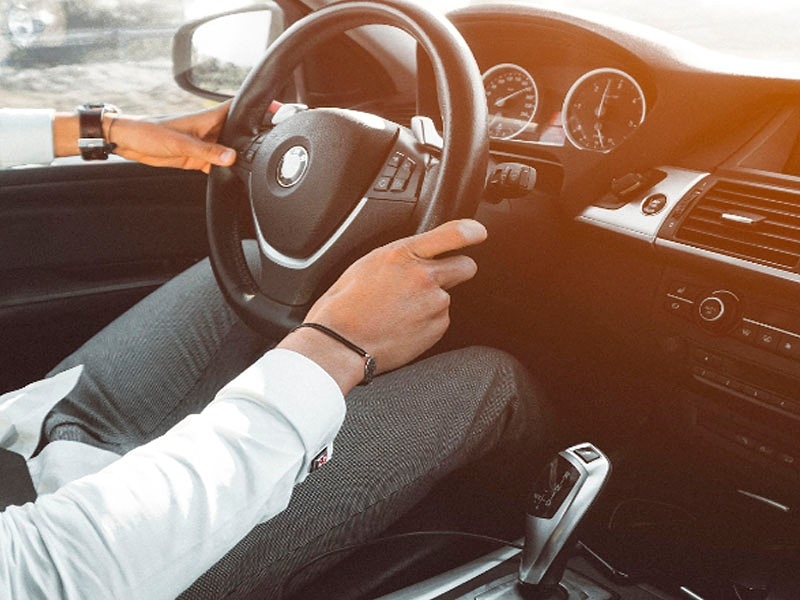
It offers you an opportunity to buy a car on a budget. But before you jump onto this decision, there are things to consider before making many mistakes. Getting the right information and knowing what this whole process involves will help you to better navigate this journey.
Even if you’re not a first-time car buyer, you still need to do your homework when you’re on the market for a second-hand car. That way, you will be certain you’re making informed decisions and not rushing out of desperation to get it over and done with.
To help you with this, we’ve compiled key tips for buying a second-hand car, and mistakes to avoid. When you’re done reading this article, you’ll know how to buy a second-hand car in South Africa.
What to consider before buying a second-hand car
A car is a full time financial commitment; you’ll need to think carefully about what you’re capable of handling on your budget. A car deposit is the first thing you’ll have to consider even when buying a used car. The typical price range of this is highly dependant on other factors such as whether you’re buying through a private seller or a dealership with preowned vehicles. It also depends on the type of car and model you’re interested in.
Other costs to consider are car registration fees, petrol or diesel costs, insurance and interest rates. In addition to that, there’s also the monthly payment, general repair and maintenance costs, which are important to think about when you have the car in your possession.
Mistakes to avoid when buying a second-hand car
Mistakes can be inevitable, and when confronted with them, we often feel frustrated. At times, the mistakes can be costly too. However, there are obvious mistakes that we can avoid if we look hard enough. When it comes to buying a preowned car, you’ll need to avoid doing these following things:
Not creating a budget
A vehicle budget vehicle budget is a foundation; you’ll need to use to figure out how much you’ll be able to pay towards everything involved in this process and after. Without knowing how much you are capable of, you won’t know how much financial assistance you may require to see this process through and get your desired car.
Moreover, not having a budget in place will make it hard for you to negotiate. Fortunately, this is an avoidable mistake; you simply need to create a budget and get the process started. There are vehicle budgeting tools available online, but you also have the option of reaching out to experts who can assist you and hold your hand through this process.
Not making negotiations in person
While we may be open to taking meetings via the phone or video calls, the first negotiations are best done in person. No matter how reputable the vehicle dealership is, you have to make the first step in person. This will help you avoid making decisions based on what a salesman said to you over the phone. Showing your face gives you some form of authority.
Not asking the right questions
When buying a preowned car, it’s important to ask for more information than just the price of the car, the model and the mileage. You want to get all of the important information such as the vehicle history report, which will indicate how well the car was being taken care of, if at all. So, ask the right questions from the beginning to avoid disappointment later.
Not test driving the car
Seeing the car and hearing about its condition is not enough. You have to test drive it to ensure that each and every part is in the right and working condition. The last thing you want is to buy a car with gearbox issues that nobody told you about. You’ll want to find out for yourself and verify that the information you had been given about the car is true. That way, you will be certain there won’t be any surprises after you sign on the dotted line.
Not letting an expert test the car
Take another step to ensure that the car is in the right condition by having a professional mechanic check the car. They may pick up on things which you could have missed because they’re an expert in the field of cars. Car dealerships typically offer this service to help assure you that you’re making the right decision. But ask the dealership you’re in contact with if they do offer this service; otherwise, you will have to do this independently. It might seem like an unnecessary cost, but it’s a cost worth taking a risk on now rather than later. It’s also important for your safety. No one wants to buy a car that’s going to put them in danger.
Not reading the final paperwork properly
Before signing anything, it’s important to make sure that the terms and conditions discussed and agreed upon are stipulated in the final paperwork. It’s worth mentioning that you can also do research on what the law says and what role it plays in this type of process. This way, you’ll be equipped with the knowledge of how you’re protected as a buyer.
Buying a second-hand car can be a good investment if you know how to navigate the process. The above tips will help you get started and know what red flags to look out for. In the end, you need to get the best out of this deal as you’re likely to be owning and driving the car for a very long time. What you’re after is a peace of mind and not more headaches.