MEC for education urges Mpumalanga Regional Training Trust to aid the youth
MEC Lindi Masina said recent research indicates that thousands of young people in Mpumalanga remain excluded from the mainstream economy, not because of a lack of potential, but due to weak linkages between education, training and employment.
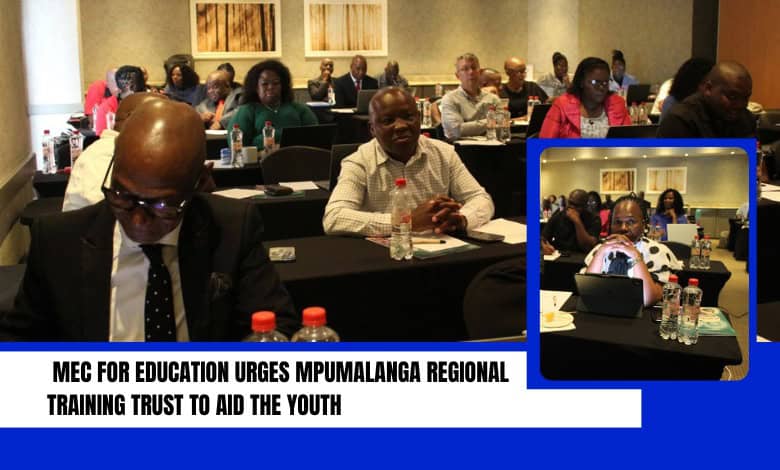
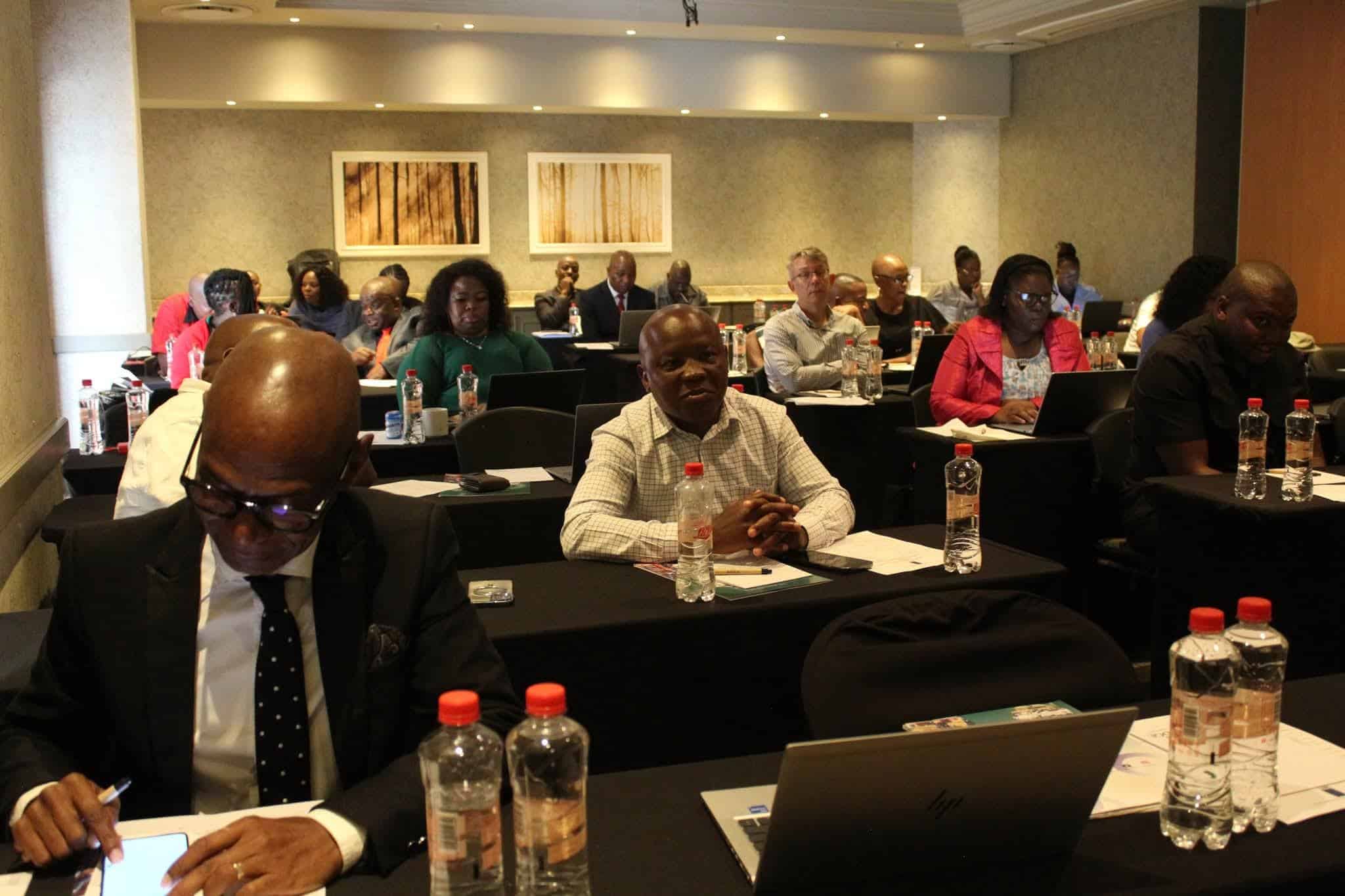
The MEC for education, Lindi Masina, has encouraged the Mpumalanga Regional Training Trust’s (MRTT) leadership to emerge from its strategic planning session with a clear, implementable strategy. She was addressing them during a workshop on Thursday, January 29.
She said they should have a strategy that decisively responds to the socio-economic challenges confronting the youth of the province.
According to her, the session was taking place at a critical moment for the country, the province and young people in particular, as poverty, unemployment and inequality remain challenging.
“Our youth, who carry the heaviest burden of these triple challenges, place their hopes in strategic engagements such as this one. They expect that when such sessions conclude, tangible solutions will follow.”
She emphasised that the workshop must, therefore, be intentional, provide clarity of purpose and produce concrete, measurable outcomes that will enable MRTT to respond meaningfully to the needs of communities, especially young people.
ALSO READ: Mbombela honours its best matric learners
Masina said she is expecting the strategic planning process to address all institutional impediments and chart a convincing path forward, adding that she must be able to account with confidence to the provincial legislature and oversight institutions, including the Auditor-General.
She reminded the leadership that recent research indicates that thousands of young people in Mpumalanga remain excluded from the mainstream economy, not because of a lack of potential, but due to weak linkages between education, training and employment.
“The MRTT must consistently align itself with these priorities by equipping young people, women and historically marginalised groups with practical, market-relevant skills.”
Masina further expressed her concern over the findings of the Auditor-General during recent financial years, which have pointed to weaknesses in financial reporting, deficiencies in asset management, instability in leadership and shortcomings in internal controls.
She emphasised that strengthening internal controls must be central to the trust’s strategic agenda and include improved financial management systems, accurate and compliant reporting, strengthened oversight structures and the implementation of audit action plans with clear accountability and timelines.
Masina further underscored the importance of rebuilding and strengthening stakeholder relations, including with government departments, SETAs, organised labour, businesses and training providers.
“Stakeholders, and organised labour in particular, are not adversaries. They are partners, therefore, effective engagement with them strengthens governance and ensures that skills development responds to real economic needs.”
ALSO READ: ActionSA marks Lily Mine anniversary with SAHRC complaint
She said the strategic planning process must balance ambition with consolidation and correction, and must result in a realistic and implementable strategy that restores financial stability, strengthens governance and aligns skills development with provincial economic priorities.
“There can be no sustainable skills development without sound internal controls, and no meaningful impact without strong stakeholder partnerships,” she explained.
Reflecting on the announcement of the 2025 National Senior Certificate results, which recorded an 86.55% pass rate, Masina expressed her hope to similarly celebrate improved and demonstrable outcomes for MRTT students in the near future.
“We must be able to account for value for money and showcase the positive impact this institution is making in the lives of our youth,” said Masina.